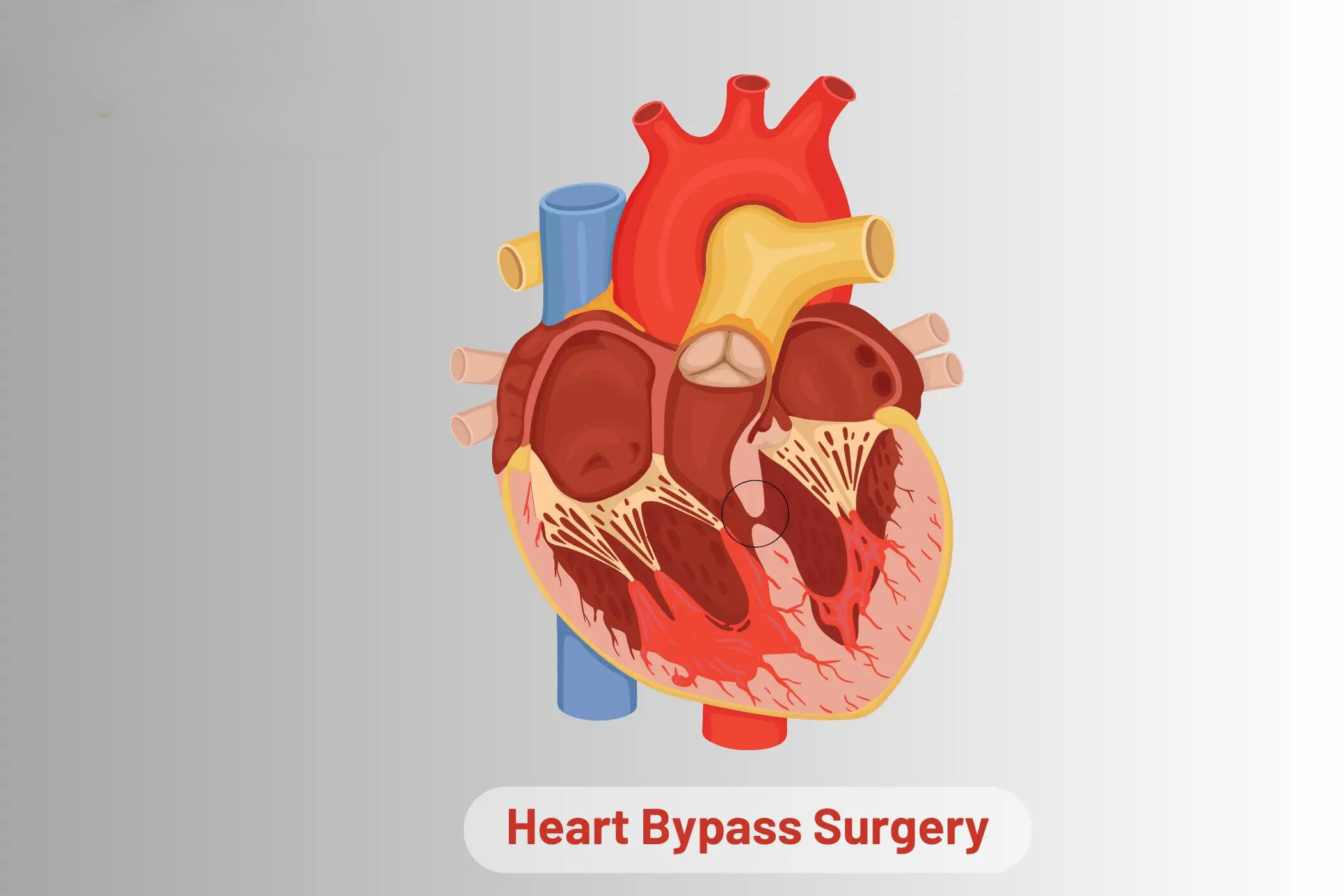


Coronary artery bypass grafting (CABG) surgery’s another term is heart bypass surgery procedure. It is a medical treatment, determined by the cardio surgeon or doctors for patients who are suffering from severe cardiovascular disease.
The specific arteries of the heart supplies oxygen-rich blood and other nutrients to the heart. When a person acquires coronary artery disease (CAD), this condition causes the arteries to narrow or become smaller than their original size. CAD is caused by the accumulation of fatty acids, cholesterol, and calcium. And other substances are present inside the walls of the arteries. Therefore, doctors opted for the heart bypass surgery procedure to improve heart health of the person.
In CABG, the surgeon makes a small cut in the chest to graft it onto the blocked artery to ensure the heart gets enough supply of blood. As a result, this decreases the chest pain and other symptoms.
Types of Heart Bypass Surgery
Depending on the arteries being blocked your doctor may advise you the given bypass surgery.
- Single Bypass: When one artery is clogged
- Double Bypass: When two arteries are clogged
- Triple Bypass: When three arteries are clogged
- Quadruple Bypass: When four arteries are clogged
Reasons for CABG
CABG is a good option to reckon if your main artery is clogged. The following points can be thought of ahead of the surgery:
- When the arteries in the body become clogged that leads to a deficit in supply of blood. It can cause chronic chest pain.
- When the left coronary artery is totally or partly dilapidated.
- Besides previous stent surgery, the artery is still narrowed and partly working.
- An individual has had angioplasty long back, but is now having some problems in the heart.
- When all other treatments have failed, an emergency surgery for the heart attack is the last option that can be tried.
Signs and Symptoms
- Shortness of breath (Dyspnea)
- Pain in the chest
- Abnormal heart beat
- Weak indigestion, palpitation in the heart
- Swelling in the hands and feet
Procedure for Heart Bypass Surgery
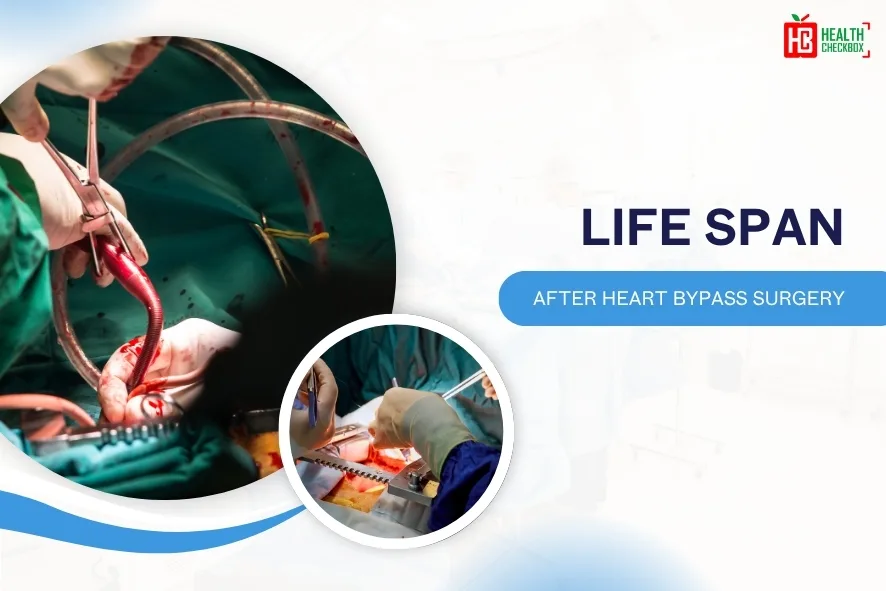
- At the beginning of the procedure, the Patient is given anesthesia to make him relax and calm also relieve him from the surgical pain.
- Before the start of operation, the surgeon makes a cut in the chest to get a detailed view of the heart.
- A healthy blood vascular graft is taken off from another part of the body, such as the chest, arm, or leg.
- This healthy blood vessel is then prepared as a bypass graft.
- This healthy blood vessel is subsequently grafted into the blocked artery by the surgeon to bring back the blood flow to the heart.
- Before the heart surgery is completed, the surgeon will close the incision and drain out any excess fluid safely.
- The patient is monitored for some days or as advised by the doctor and is given medicines to avoid any blood clots and regulate his or her blood pressure.
- This is a major surgery that involves a high degree of risk and complications, and the recovery period is also longer, so it is advisable to discuss the perils and benefits with the doctor before going for the surgery.
Risks Associated with the Surgery
The patient may experience the following:
- Irregular beating of the heart (arrhythmia)
- Kidney malfunction
- Loss of memory or difficulty in thinking
- Heart attack if a break in blood clots occurs post-surgery
- Likeliness of reaction to anesthesia
Latest Health Tips
Can Immunotherapy Cure Stage 4 Lung Cancer?
Early Signs of Cervical Cancer
Foods that Kill Cancer: Leafy Vegetables, Grains, & More
What Stage of Cancer is Immunotherapy Used For?
Which is Worse for Cancer, Sugar or Alcohol?
Vaccines That Prevent Cancer
What Kills Cancer Cells in the Body Naturally?
Early Warning Signs of Bone Cancer
Submit Your Enquiry
Testimonials