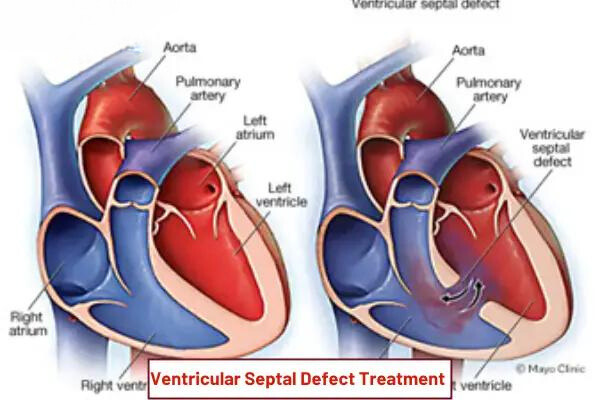
A ventricular septal defect is a very common heart problem. There is a small hole in the wall, which is the septum, that separates the left and right ventricles of the heart. This opening allows the oxygen rich and oxygen poor blood to mix. It can put extra pressure on the heart and lungs. When the small VSDs may close on their own, then the larger effect can cause which be the creation of serious health issues, if it is not treated on time.
With the correct VSD treatment, this condition can be treated. In today’s life, the advanced medical techniques and experienced heart specialists make diagnosis and treatment safer and more successful. We help you to connect with trusted cardiac experts and well equppied hospitals which provide personalised care, and correct diagnosis. Also, our supportive teams will take care of you from consultation to recovery. So, choose us today to get the best result.
Causes of VSD
The exact cause of VSD is not always known, but some of the common factors are there, which include:
- Congenital condition: Most VSDs are shown at birth because of improper heart development.
- Genetic factors: The history of the family or some genetic problems may increase the risk of this.
- Pregnancy: Pregnancy related factors, such as infections, not getting proper nutrition, or some medications during the time of the pregnancy may affect the baby’s heart development.
- Other heart defects: Most of the time, the VSD may occur because of other serious heart problems.
Knowing the cause helps the doctors plan the correct treatment.
Symptoms of VSD
The symptoms are all dependent on the size of the defect and how much blood is passed with it. A small VSD may not show any symptoms, on the other hand, a larger one can be a noticeable problem:
- Difficult to breathe
- Feel fatigue
- Weight gain problem in babies
- Heart murmur
- A bluish tint to the skin, which occurs in rare cases
Ventricular Septal Defect (VSD) Treatment Options
There are different types of treatment options are avaiable, which are:
- Observation (Monitoring): A small defect is monitored on a daily basis without surgery.
- Medications: It helps to control the symptoms, such as breathlessness and reduce the strain on the heart.
- Catheter-based procedure: A minimally invasive method in which a device is used to close the hole.
- Surgical repair: The open heart surgery is used to close the defect with stitches or a patch.
We help to guide every patient towards the most suitable treatment options according to their condition and age.
VSD Surgery Procedure
The VSD surgery is a safe procedure when it is performed by an experienced cardiac surgeon.
Before the Procedure:
- The doctor will perform a heart ultrasound, X-rays or other tests to see the exact location and size of the hole.
- The patient will be admitted to the hospital and the doctor will decide to give anaesthesia.
- The doctor will give the instruction that the patients must not eat or drink anything after midnight before the surgery.
- After that the general anaesthesia is given so that patients sleep and do not feel pain during the procedure.
During the Surgery:
- The surgeon makes a cut down the middle of the chest and separates the breastbone to access the heart.
- After that the patient will be connected to the machine that takes over the function of the heart and lungs. It’s allowing the heart to be stopped for repair.
- The doctor finds a hole and sees a patch, which is made from a special synthetic material or tissue, with over it to seal it shut.
- After completing the whole procedure, the machine is removed, and then the heart is restarted. The breastbone is wired together and the skin is stitched up.
After Surgery:
- After the surgery, extra care is needed, so when the surgery is completed, the patients will spend some time in the ICU to be closely monitored for breathing and heart function by the doctor.
- The patients may have a breathing tube in the throat for the first few hours.
- The doctors may suggested to stay in the hospital for a few days.
The whole procedure of the surgery will take around three to six hours, but it all depends on the complexity.
Risks & Complications
The treatment of VSD is mainly safe, but like any other medical procedure, it also carries some risk factors such as:
- Infection
- Bleeding
- Irregular heartbeat
- Device displacement, it is very rare
- Small residual defect
If left untreated VSD can lead to serious complications:
- Pulmonary hypertension
- Heart failure
- Eisenmenger syndrome, it is a rare condition but very complicated
Why We Are a Trusted Choice for VSD Treatment?
Selecting the right healthcare provider is very important to get good outcomes of the process. A trusted centre provides:
- There are experienced cardiac specialists and surgeons available.
- Advanced diagnostic technology such as Echo, MRI, etc.
- Personalised treatment plans.
- Minimally invasive options.
- High success rates and strong safety standards.
- Complete care from diagnosis to recovery.
Our focus is not just on providing the treatment, but also on making sure that we provide the long term health and quality of life for every patient in India or internationally.