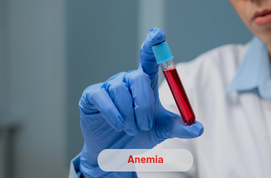
Anemia is a medical disorder in which the body does not have adequate healthy red blood cells or hemoglobin. Hemoglobin is one of the crucial proteins in blood cells for oxygen transportation. Also, its shortage may reduce the energy levels and organ function. It can occur slowly or suddenly which depends on the several factors. If an individual has poor nutrition or chronic diseases, then he/she may has chances of anemia. Typically, it is seen in children and women, and it may cause serious complications if not treated in a timely. Most anemias may affect the heart function, immunity, or quality of life. According to studies, if people experience any symptoms of this, they have to undergo diagnosis and proper treatment to recover.
Types of Anemia
- Iron Deficiency Anemia: It is one of the common types of anemia, caused by shortage of iron, poor absorption, or blood loss.
- Vitamin B12 Deficiency Anemia: It is caused by insufficient vitamin B12, and affects the red blood cells formation and nerve function.
- Folate Deficiency Anemia: Female patients may face this during pregnancy, it caused by poor diet or low folic acid levels.
- Aplastic Anemia: In this, the bone marrow fails to produce enough blood cells that is enough for a human body.
- Hemolytic Anemia: This occurs when the red blood cells are destroyed faster than they are produced.
- Sickle Cell Anemia: In this blood disorder, the red blood cells become sickle-shaped, blocking blood flow, and causing severe pain.
Causes of Anemia
- Nutritional Deficiency: The body produces fewer red blood cells when people do not consume enough iron, vitamin B12 or folate.
- Blood Loss: Blood loss occurs in two ways which include continuous bleeding and abrupt bleeding from injuries or surgeries, ulcers, or heavy menstrual periods.
- Chronic Diseases: The body produces fewer red blood cells because of kidney disease and infections and cancer.
- Genetic Conditions: People with inherited disorders such as sickle cell anemia or thalassemia have these blood disorders.
- Bone Marrow Disorders: Blood cell production decreases in disorders which damage bone marrow function.
Symptoms of Anemia
- Fatigue and Weakness: The body may experience fatigue because of decreased oxygen levels which result in decreased physical production.
- Pale or Yellowish Skin: The body shows skin color changes when hemoglobin levels decrease.
- Shortness of Breath: People may experience breathing problems, when they try to exercise because their oxygen levels are too low.
- Dizziness or Lightheadedness: The brain loses balance because blood flow to the brain decreases.
- Irregular Heartbeat: The heart needs to work harder because the body does not receive enough oxygen.
- Cold Hands and Feet: An individual experiences poor blood flow because the red blood cell count is too low.
Diagnosis of Anemia
- Complete Blood Count (CBC): The test measures hemoglobin levels together with red blood cell count for anemia diagnosis.
- Iron Studies: The test measures iron levels together with ferritin and transferrin to identify iron deficiency.
- Vitamin B12 & Folate Tests: The test measures nutritional deficiencies which decrease RBC production.
- Reticulocyte Count: The assessment measures how effectively bone marrow produces new red blood cells.
- Bone Marrow Examination: The process needs this evaluation because multiple problems exist that require special examination.
Anemia Treatment Options
Anemia treatment depends on the causes and patients’ health condition. Mild cases may be managed with diet improvements and supplements. But moderate cases may require proper treatment and medication which is suggested by a healthcare expert. The main goal of treatment is to restore normal hemoglobin levels and improve the oxygen supply. Here are some anemia treatment options that may provide effective and safe care:
Medications & Supplements
Before going to another option, doctor suggests and prescribes medications and supplements for anemia patients. In these medications, iron tablets, vitamin B12 injections, and folic acid supplements are included. Experts suggest these medications for improving hemoglobin levels or reducing symptoms. Also, leafy greens, legumes, and meat may provide better results.
Iron Infusion Therapy
This therapy is one of the best options when oral supplements are not effective. In this procedure, the doctor administered the medication directly into the bloodstream through an intravenous (IV) line.
Blood Transfusion
Blood transfusion is used in rare or life-threatening anemia cases. In this treatment, the healthy red blood cells are transferred to a patient's body to restore oxygen levels. It offers quick relief from symptoms and enhances the hemoglobin levels.
Advanced Treatments
Advanced treatment options are required in extreme or chronic anemia cases. In these treatments, bone marrow or stem cell transplant, immunotherapy, or targeted therapy are included. India has highly skilled surgeons who provide advanced treatment with better outcomes.
Why Choose Anemia Treatment in India?
- We partner with top hematologists who have skilled support staff.
- India has internationally accredited hospitals.
- Most hospitals use advanced diagnostic and treatment technologies for effective results.
- Minimal waiting time and offer cost-effective treatment.
- Complete treatment package for international patients.
Cost of Anemia Treatment in India
India provides anemia treatment services at an affordable cost compared to the other countries such as the USA and UK and all European nations. The basic medical services which include doctor consultations and diagnostic tests and prescription drugs, remain affordable for patients. Patients can receive budget-friendly iron infusion therapy and blood transfusion services while advanced medical procedures are provided at much lower rates which maintain their treatment excellence. The complete expense of treatment varies according to the patient's anemia type, hospital choice, and treatment length.
Recovery & Aftercare
- The patient has to maintain a balanced iron rich diet.
- Follow the doctor's instructions and take prescribed medications.
- Visit regularly for speedy recovery.
- Check hemoglobin levels regularly to ensure recovery.