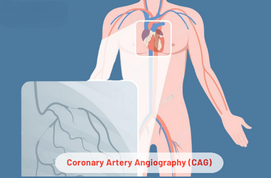
Coronary artery angiography medical diagnostic procedure which is used to observe the blood vessels of the heart. It examines the heart closely and identifies the blockages in the coronary arteries. Coronary artery angiography helps the doctors understand the heart condition or blood flow to the heart muscles of a patient. This procedure is crucial for those with heart disease which may not show any symptoms in the early stages. International patients seeking advanced cardiac care through medical tourism often undergo CAG as the first step. With this diagnostic procedure, doctors suggest the right treatment, medications, or surgeries.
When Do Doctors Recommend Coronary Artery Angiography?
Doctors recommend this procedure when a patient has a strong possibility of heart blockages or problems in blood flow to the heart.
- Chest Pain and Heart Symptoms: If the patient experiences chest pain, shortness of breath, and discomfort in the chest may be advised to undergo a coronary artery angiography procedure for the right treatment. These symptoms may create some serious heart disease if you treat them on time.
- Abnormal ECG or Stress Test: CAG is also the best option if ECG, echocardiogram, or stress tests do not show better results. This procedure provides detailed heart information for a clearer or more accurate view of coronary arteries.
- Suspected Coronary Artery Disease: Coronary artery disease may occur if a patient has high blood sugar, diabetes, high cholesterol or family history of heart disease. So, this angiography helps to identify heart disease and supports early treatment planning.
- Emergency Heart Conditions: Coronary artery angiography plays a crucial role when a patient has sudden heart or cardiac attack and severe chest pain. It provides a quick response to the doctor for performing the suitable treatment.
How Coronary Artery Angiography (CAG) Works?
- Detecting Blocked Arteries: The main goal of coronary artery angiography is to detect blockages or narrowing in the coronary arteries. After visualizing all the conditions, experts identify the blockage location and start the preparation for coronary artery treatment.
- Planning Angioplasty or Bypass Surgery: After identifying the blockage, surgeons decide which treatment option is suitable for this problem.
- Monitoring heart condition: Doctors use CAG to monitor heart disease progression in patients with existing heart conditions. The system enables surgeons to modify treatment plans which they consider essential for patient care.
- Preventing Heart Attack Risk: The process of detecting arterial blockages through coronary artery angiography enables medical professionals to identify patients who face a risk of heart attack.
Techniques Used in Coronary Artery Angiography
For the accurate information or patient safety, medical team uses advanced or modern techniques in CAG. The methods depend on the patients and hospital’s technology.
- Radial Angiography: For a quick recovery, radial angiography is one of the best options which is performed through the wrist artery. With this procedure patient can walk soon and has minimal risks of complications compared to the other methods.
- Femoral Angiography: Femoral angiography is used in rare or complex conditions, which is performed through the artery. It is used to provide detailed information and for certain medical conditions.
- CT Coronary Angiography: CT coronary angiography is a non-invasive procedure which uses modern CT scanning to determine the coronary arteries.
- Digital Imaging Technology: Now, most hospitals use digital imaging systems to get high resolution images of coronary arteries. These images provide better diagnostic accuracy for better treatment plan.
Step-by-Step Patient Journey
Understand the patient journey for coronary artery angiography procedure.
Before the Procedure
Before the procedure, doctors perform some tests like blood tests, ECG, and medical examination. Doctors may suggest fasting for a few hours before the CAG. Also, you have to avoid certain medications and make sure that your doctors know your medical history.
During the Procedure
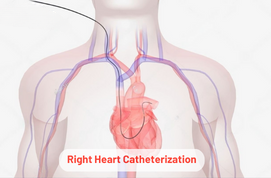
During the coronary artery angiography, expert inserted a thin catheter through the wrist or groin artery and guided it towards the coronary arteries. The expert visualizes the blood flow and identifies blockages by contrast dye. This whole procedure is performed under anesthesia and takes a short time.
After the Procedure
After the procedure, patients are monitored for a few hours to observe their health. Patient may return home either same day or next day, which depends on their health condition. Follow the doctor’s instructions, prescribed medications, and follow up care for better outcomes.
Safety and Success Rate
- Success Rate: With advanced technology and highly skilled experts in India, accurate results and fewer complications are ensured. Also, coronary artery angiography has a good success rate depending on different factors.
- Risk Management: Due to strict medical protocol, continuous monitoring, and modern equipment, ensure the patient's safety during the procedure.
- International Standards: India’s top hospitals meet international healthcare standards and policy for coronary artery angiography.
- Experienced Cardiologists: The cardiac team or experienced cardiologists play a vital role in the success rates of coronary artery angiography. They ensure safe and effective procedures with efficient treatment planning.
Who Should Avoid CAG?
- Kidney Patients: Kidney patients need to be careful to undergo this procedure, because contrast dye used in angiography may affect the kidney function. Consult with doctor and explain your kidney history, which may suggest an alternative for you.
- Dye Allergy Patients: Patients with known allergies to contrast dye should inform their doctors in advance. Special medications or alternative procedures may be recommended to reduce allergic reactions.
- Pregnant Women: Many doctors suggest that pregnant women should avoid coronary artery angiography until it is necessary. Its radiation exposure may affect the developing baby.
- Special Medical Cases: If patients have severe infections or other complex disease may need to consult a doctor before undergoing the procedure.