

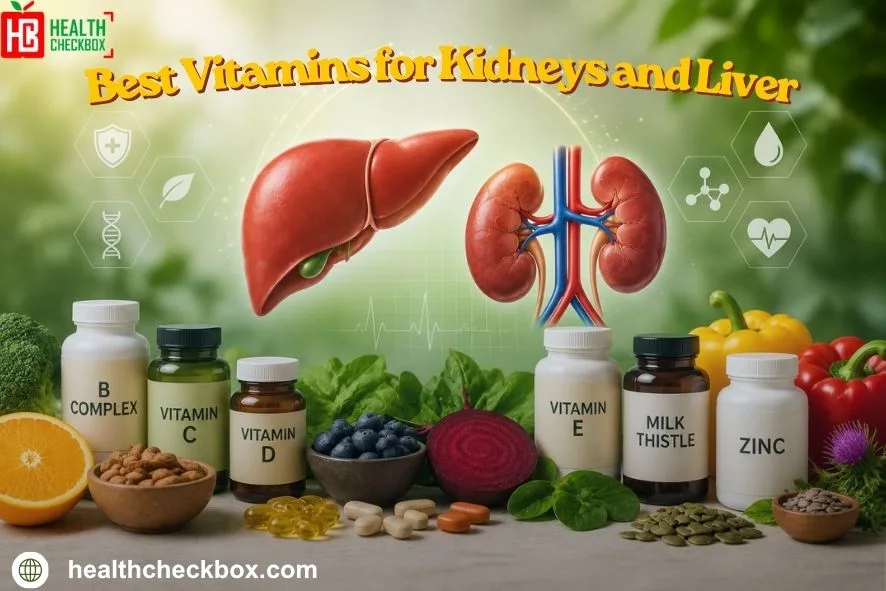
The importance of both kidney and liver in our body is enormous, because these two organs help us stay healthy. The roles of both organs are different from each other. The liver helps in processing the chemicals and controlling the metabolism, which breaks down the toxins and processes the nutrients. Whereas the kidney helps in filtering the system as it removes the liquid waste in the form of urine. Even though these organs have an enormous responsibility, most people neglect the fact of their own health. In order to preserve the organs, vitamins play an important part. In this blog, we will talk about some of the best vitamins for kidneys and liver function.
What are Vitamins?
Vitamins are organic substances which give energy to the body. It is essential to the body for normal functioning. They also aid with repairing any damaged tissues. There are a total 13 vitamins and are divided into 2 major types, Fat and Water soluble Vitamins. Fat soluble vitamins contains vitamins A, D, E, and K can be dissolved and stored in the liver. Whereas water-soluble vitamins contain vitamins C and B-complex.
Role of Kidney and Liver
However, the roles played by the two organs differ greatly. Nevertheless, the two organs work hand in hand to ensure that the general well-being of the body is achieved. Below, we have discussed their role separately.
Role of Kidney
The two kidneys filter about 180 to 200 liters of blood derived fluid each day, which removes the wastes and excess substances while returning most of the filtered fluid to the bloodstream.
- Eliminate wastes and excess fluids as urine.
- Control the blood pressure.
- Produce erythropoietin it is the hormone that encourages the growth of red blood cells.
- Help in converting vitamin D to its active form.
- Keep sodium, potassium, phosphorous and calcium in balance.
- Keep the body’s pH at the optimum level.
Role of Liver
The liver is the largest internal organ, and one of the most metabolically active organs of the body. It carries out more than 500 essential activities such as:
- Removing the alcohol, drugs, and environmental toxins from the body.
- Making bile to digest and absorb fat.
- Production of blood clotting proteins, as well as the production of albumin.
- Utilising carbohydrates, fats and proteins.
- Glycogen, iron, and fat soluble vitamins are stored.
- This vitamin is processed and activated in the body.
Top Vitamins for Kidneys and Liver
After looking at some of your health factors, the healthcare expert can suggest these micro-nutrients:
Vitamins for Kidney
There are multiple vitamins that help in keeping the kidneys healthy and do their work properly. Some of the vitamins are:
Vitamin D
This is one of the most common and important vitamins for the kidney health. This helps in controlling the level of calcium and phosphate in the blood. Kidneys convert vitamin D into the active form which is calcitriol. This increases bone health and reduces inflammation. Vitamin D can be gotten naturally by:
- Sunlight
- Fatty fish
- Egg yolks
Vitamin C
It is an antioxidant which protects kidney cells against oxidative stress. Vitamin C boosts immunity and lowers inflammation and aids cell repair. It can be obtained from some natural sources, such as:
- Oranges
- Bell peppers
- Kiwi
- Strawberries
Vitamin B6
Vitamin B6 is very important for people with chronic kidney disease. Because it helps the body metabolize amino acids and supports healthy cell functions. Some of the common sources of vitamin B6 are:
- Chicken and Turkey
- Salmon and Tuna
- Bananas
- Spinach
- Potatoes
Vitamin B12
The role of this vitamin is to form red blood cells and keep the nerves functioning well in the body. If it is not present in kidney then it may cause anaemia and hence the kidney may not be able to filter out wastes. Vitamin B12 can be obtained naturally from:
- Nutritional yeast
- Meat
- Fish
- Eggs
- Dairy products
Vitamins for Liver
Just like kidney there are multiple vitamins which makes liver healthier and are essential for its proper functioning. Some of the vitamins are:
Vitamin A
Vitamin A is involved in controlling growth of cells in the liver and activity of the immune system. The liver is the main organ that keep vitamin A. In chronic liver damage, it is usually vitamin A deficient since it cannot be released properly by the liver.
It is important for the liver because it:
- Supports in maintaining healthy liver cells.
- Decrease the inflammation if taken in a proper amount.
Some of the natural sources of vitamin A are:
- Carrots
- Sweet potatoes
- Mangos
- Pumpkin
Caution: Consuming excessive amounts of vitamin A can be poisonous and harmful to the liver. So patients with liver ailments should not consume vitamin A.
Vitamin E
The liver is the main organs of detoxification in the body. It is a Vitamin which acts as an antioxidant and can be used primarily to protect and repair liver.
It is important for the liver because it:
- Reduces the inflammation in fatty liver diseases.
- Reduces the activity of liver enzymes.
Some of the natural sources of vitamin E are:
- Nuts
- Spinach
- Vegetable oil
- Seeds
Vitamin K
This is a very important vitamin for blood clotting and for proper liver function. It mainly protects the liver from toxins.
It is important for the liver because it:
- Balances the metabolism in the body.
- Produces functional clotting factors when consumed in sufficient quantity.
Some of the natural sources of vitamin K are:
- Kale
- Broccoli
- Spinach
- Cabbage
Vitamin C
It is one of the most important water soluble antioxidants. This neutralizes the damaging molecules and helps the liver to perform detoxification.
It is important for the liver because it:
- Regenerates the antioxidant and with vitamin E, it extends its protective field.
- Reduces oxidatives damages which are in link with liver inflammation.
Some natural sources of vitamin C are:
- Citrus fruits
- Strawberries
- Tomatoes
- Kiwi
Tips to Keep Your Kidney and Liver Healthy
In addition to vitamins, your lifestyle plays a significant role in determining the health of your kidneys and liver throughout your life. The following are some tips that can be implemented with evidence to protect both organs:
- Stay Well Hydrated: Water helps dilute toxins in the kidneys and helps produce bile in the liver. Take 6-8 glasses of water per day unless otherwise advised.
- Limit Alcohol Consumption: Consumption of alcohol has many side effects on the liver; among the conditions caused by constant alcohol consumption are cirrhosis, dehydration, and high blood pressure which leads to damaged kidneys. The less alcohol, the better for both organs.
- Control BP and Blood Sugar: High blood pressure and diabetes are the most common causes of CKD. However, the best approaches to handling these illnesses are the use of a proper diet, exercise and medication.
- Exercise Regularly: A healthy body weight is achieved by doing exercises and it reduces the chances of developing a fatty liver. Also improving the blood circulation in both the heart and liver. You only need to walk for 30 minutes per day for five times in a week.
- Use Medications Carefully: Acetaminophen over-reliance and Drug-Induced Liver Injury are often seen in liver damage and over-reliance. Do what you are told, and do not take supplements in excess quantity.
- Caution While Consuming Herbal Supplements: Many herbal remedies, even those labelled ‘natural’ or ‘all natural,’ can be detrimental to the kidneys (National Kidney Foundation, 2025). Never take any supplement without telling your doctor.
- Get Regular Screenings: Early stages of kidney and liver disease can be ‘silent’. Routine blood and urine tests for GFR, creatinine (kidneys), and ALT, AST (liver) can detect problems early when they are most amenable to treatment.
Conclusion
It is important to be familiar with the best vitamins for the kidneys and liver. Consuming these vitamins in your diet will have a great effect on your kidney and liver health. The vitamins must be accompanied with food rich in nutrients. These vitamins not only make your kidneys and liver healthy but they also contribute to your overall well being.
Note: This blog is for informational purposes only. If you experience any sort of discomfort or have any medical problem, consult your doctor beforehand.