

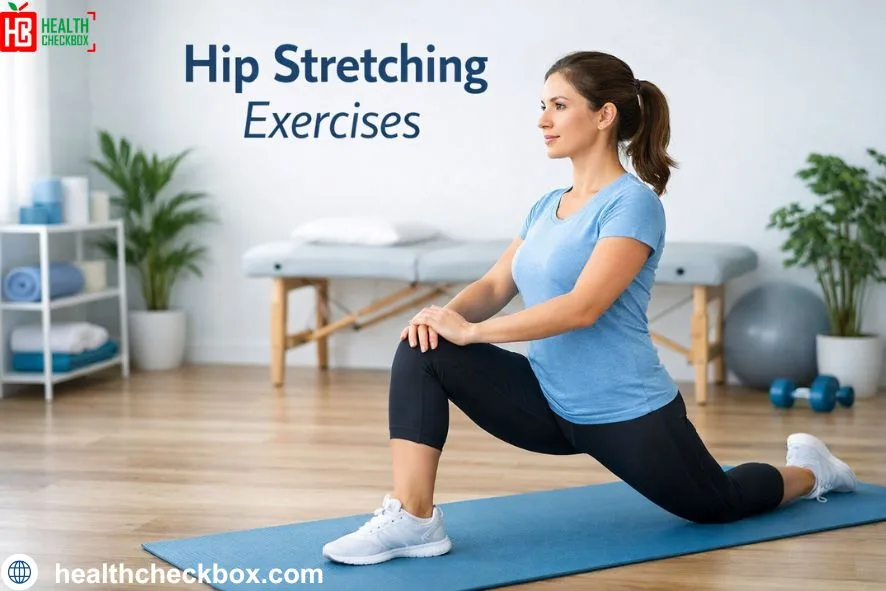
Hip flexibility exercises are important as they allow easy movement, proper posture and general well-being of a human. Long hours of sitting and idleness can also cause tightness in the hip and result in limited movement. It also helps in preventing injury and promotes long term health. We must be careful while doing hip stretching exercises and keep attention to our muscles so that they do not feel pressure. This blog will focus on safe and easy stretching practices that will help to increase the functions and movement of the hip bones.
Benefits of Safe Stretching for Hip Flexibility
- Good Posture and Alignment: The tight muscles of the hips can cause poor posture and alignment. It can be improved, or posture can be corrected too, by making it flexible.
- Pain Relief: Lower back pain may decreased by stretching and strengthening.
- Better Balance and Stability: The exercises help to increase the stability and the balance. It helps to lower the chances of injuries, and it may occur when we don’t do the exercises.
- Improves Blood Circulation: Stretching enhances blood flow to hip muscles and surrounding tissues, helping deliver oxygen and nutrients and reducing stiffness and discomfort.
- Hip Impingement Prevention: These exercises may reduce stress on the hip joint and prevent hip impingement because they help to maintain the best joint motion and decrease the chances of abnormal friction.
Safe Stretching Guidelines for Hip Flexibility Exercises
Here are some rules that we need to follow before starting the exercise:
- Warm Up: It helps muscles to warm up by doing low exercises such as walking and cycling. It makes your muscles move and makes them ready for the workout.
- No Pain: Try to stretch your muscles till you feel a gentle pulling sensation and if you feel pain then you stretch your muscles too far.
- Breathe: Breathe nicely while doing the exercise to help relax the muscles.
- Consistency: Try to do 2 to 3 exercises daily and perform as it helps your muscles to be stretched and not get tight.
Best Hip Stretching Exercises to Improve Hip Mobility
Here are some exercises that you can perform at home which can help to prevent hip pain or improve hip flexibility:
Hip Flexor Stretch
In this exercise, we take one knee on the ground and the other lying flat on the ground in front of the other, to form a 90-degree angle. Keep your back straight and push your hip forward til you feel a stretch in your hip. Stay in that position for 20-30 seconds and then change sides.
Seated Hip Stretch
Sit on the chair and bend your knees. Cross one ankle to the knee on the ground. Lean forward a bit towards the hips until you experience some stretch in the hip of your crossed leg. Attempt to hold this position for 20-30 seconds and then do this same to the opposite side and do the same.
Standing Quadriceps Stretch
Align your legs with your shoulders. Bend one knee and bring your heels towards your back and hold that. Keep your knees close and push your hip forward till you feel a stretch in your thigh. Stay in this position for 30 seconds and do the same with other side.
Dynamic Leg Swings
Stand next to a wall. Swing your one leg forward and backwards but in a controlled manner and keeping it straight. Increase the range of motion as you swing and perform this 10-15 times on each leg.
Piriformis Stretch
On your back, bend the knees and keep the feet against the floor. Cross one ankle over the opposite knee and form a figure four shape. Use your hand and gently pull the uncrossed leg towards your chest until you feel a stretch in the buttocks of the crossed leg. Hold this for 20-30 seconds and switch to the other side.
Hip Circles
Place your feet hip-width apart and maintain a central position of the body, move the hips in a circular manner in clockwise and anticlockwise direction. This exercise helps improve hip functionality and helps with the range of motion.
Dynamic vs Static Stretching for Hips
Dynamic stretching is feasible when you are going to start your exercise. It helps in getting your blood circulating and warming your muscles and tells your body to prepare for a workout. This is used for enhancing the flexibility and reducing the risk of injury and this dynamic exercise is a reminder to the body that you are ready to start your workout.
Static stretching means moving into a position that lengthens a muscle and holding it there for 30-60 seconds. This stretching is usually done after workouts as your muscles have worked hard and they are warm and receptive to a good, long stretch. Stretching your hamstrings or crossing your arm will help to relax the muscles.
The main difference is that in static we hold a position for 30 seconds and in dynamic we do exercises which have low movements. So, these stretches can helps the body to be flexible.
Mistakes to Avoid While Doing Stretching
To ensure safe and effective stretching, avoid these mistakes which are mentioned below:
- Stretching Cold Muscles: Avoid stretching immediately without warming up as this can lead to muscles tear. It is advisable that before starting your workout, you should do warm-up exercises for the first 5-10 mins.
- Ignoring Pain: Stretching means activating your muscles by giving them small tension. But if you feel sharp pain, or numbness, then you should immediately stop doing the exercise in order to give relief to the muscles.
- Holding Breath: It is advisable not to hold the breath for long period of time during stretch as it restricts the oxygen to your blood and muscles which then cause tension. Inhale and exhale properly throughout the stretch
- Improper Stretching: not doing a proper stretch posture can lead to injuries rather than relief.
- Inconsistency: Stretching only when your muscles are stiff and this will not solve the stiffness problem for long period of time.
Should we Stretch Daily or not?
Yes, it is highly recommended to stretch daily. Daily light stretching is beneficial, but individuals with hip pain, injury, arthritis, or recent surgery should consult a healthcare professional before starting. It reduces pain and stiffness that happens from long hours of sitting or due to age factor and it decreases tensions in muscles. It has some mental benefits as it can reduce anxiety and uplift the mood.
When to Consult a Doctor?
If hip stretching exercises do not improve the hip pain after 2 or 4 weeks. Then, you have to consult a doctor for further treatment. The reason for seeing the doctor is that the cause of hip pain might be a structural issue like a labral tear, bursitis or arthritis. It can be chronic hip pain, stiffness or reduced mobility, which requires a doctor’s insight. It is recommended to stop stretching if your pain is getting worse as it can lead to serious injury or delay the recovery process.
Conclusion
We have mentioned the safe hip stretching exercises, benefits, their safety guidelines and the best exercises for hip flexibility. There are different types of stretching that we can use before and after the workout. Avoid making these mistakes as it can lead to hip problems and stretching should be done on daily basis for better functionality of hips.