

• appointment@healthcheckbox.com
  • +91 844 817 7919
  • appointment@healthcheckbox.com
  • +91 844 817 7919
HealthCheckbox
Book An Appointment
Menu
HealthCheckbox
  • Home
  • Treatments
  • Our Network
    • Doctors
    • Hospitals
  • About us
  • Testimonials
  • Contact us
Cerebrospinal Fluid Shunt Product Image
Home Neurology Cerebrospinal Fluid Shunt Treatment

Cerebrospinal Fluid Shunt Treatment

  • Description
Description

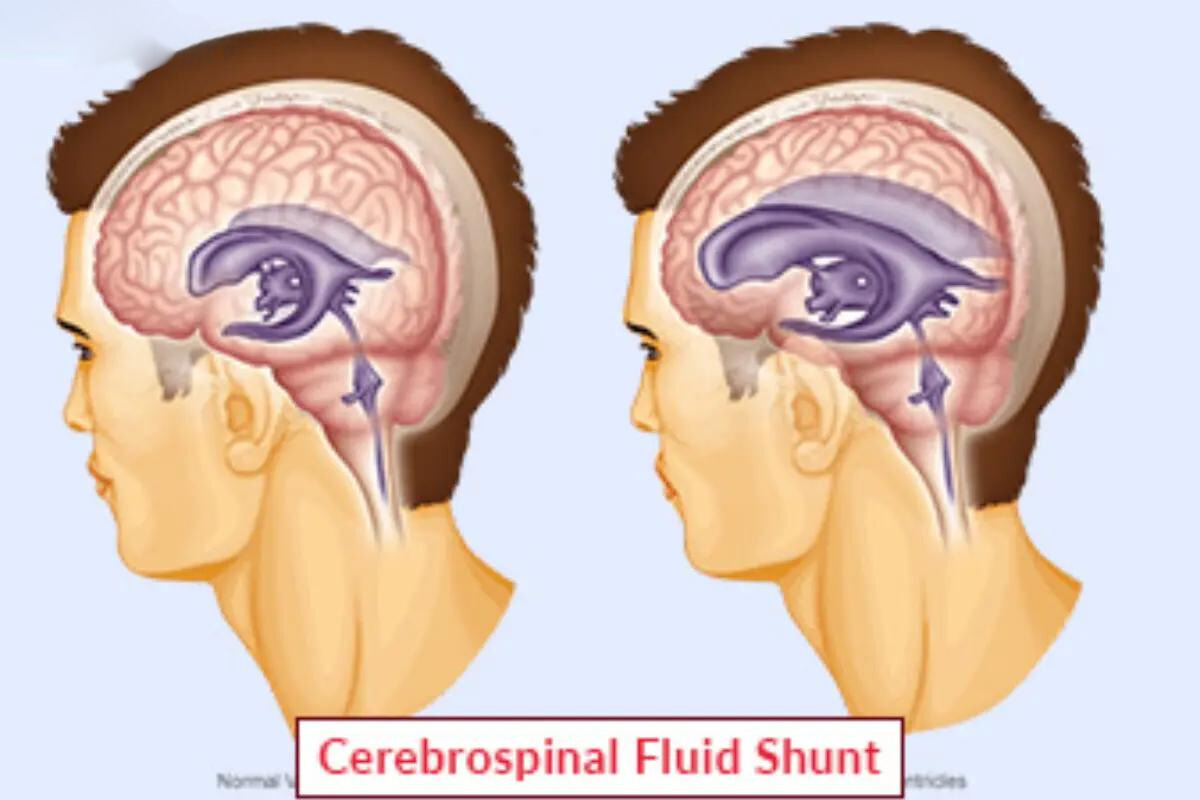
A Cerebrospinal Fluid Shunt is a medical device used to treat neurological conditions in which an individual’s brain suffers with accumulation of cerebrospinal fluid. The primary condition treated by the CSF shunt is hydrocephalus. It is a brain related concern that causes swelling and pressure in the brain. Due to this, a person experiences various symptoms, including headache, nausea, vision problem, brain damage, cognitive impairment, etc. 

Hence, CSF shunt is purposely designed to drain out excess cerebrospinal fluid from the brain. The CSF shunt gives a proper solution for managing the conditions that cause hydrocephalus, congenital malformation of brain injuries. The shunt consists of a flexible tube and valve system that regulates the flow of CSF. The tube is inserted into the brain, and it runs from the brain’s ventricles to drain out the fluid from the brain to another part.   

Shunt Types

There are multiple types of CSF Shunts, however selection of them depends on the patient’s condition and health status. The most commonly used CSF shunts are: 

  • Ventriculoperitoneal Shunt: This is the most common type of CSF Shunt. It is mostly used in hydrocephalus treatment. 
  • Ventriculoatrial Shunt: This type of shunt is used when the patient is not able to tolerate VP shunt, such as in cases of abdominal infections and issues with the peritoneal cavity. 
  • Lumboperitoneal Shunt: This shunt is quite similar to vp shunt and it is used when a vp shunt is not feasible, and it channels excess fluid into the peritoneal cavity.
  • Ventriculopleural Shunt: This type of shunt drains the fluid into the pleural cavity when other pathways are unsuitable. It’s a less common type of CSF diversion but may be used for particular medical conditions. 

Risks of CSF Shunt 

Although CSF is a safe and effective treatment method to treat Cerebrospinal Fluid. However, in rare cases, it can pose some potential risks, which include:

  • Infection: Infection may occur in the shunt system and the surrounding tissues. If doctors detect infection then it requires further treatment like antibiotics and surgery to cure the inflammation. 
  • Shunt Malfunction or Blockage: Over time, the inserted shunt may get blocked or may stop working efficiently. This could lead to reaccumulation of CSF and increase the pressure in the brain. 
  • Shunt Displacement: In rare cases, the shunt may shift or become displaced, which could lead to complications, like ineffective drainage of CSF.
  • Over-Drainage: It is also possible that the shunt may drain too much CSF, which may lead to further complications, including subdural hematomas (blood collection around the brain), which could require further intervention.  

Procedure For Insertion of Cerebrospinal Fluid Shunt

The CSF shunt insertion procedure is done through following which are as follows: 

  • The procedure is performed under general anesthesia after analyzing the overall condition of the patient. 
  • The procedure is done through a minimally invasive surgical process that involves placing a catheter into the brain’s ventricles. 
  • The catheter is carefully threaded through the appropriate pathways, depending on the type of the shunt, and the excess CSF is rerouted to a location in the body where it can be absorbed. 
  • During the procedure, a small incision is made in the scalp, and a small hole is drilled into the skull to insert the catheter. 
  • The valve, which regulates the flow of CSF, is then placed under the skin, usually behind the ear or in another discreet area. 
  • Once the shunt is placed, the surgical site is closed with stitches. After that, the patient is monitored in a recovery room for a few hours. 
  • The duration of the procedure typically ranges from 1.5 to 3 hours. However, it may depend on the complexity of the case.

Aftercare & Monitoring 

Following are the after-care procedure steps. 

  • Once the procedure or operation is done, the patient remains under observation for a few hours. 
  • The senior doctors check the patient’s condition, including signs of infection, shunt related complications, and other adverse reactions. 
  • Regular follow-up and appointments are also essential to ensure the shunt is functioning well. 
  • If a person experiences symptoms like headache, infection, then shunt may require to readjust to improve the patient’s condition.

Our Other Services

  • Laser Eye Surgery product Image Laser Eye Surgery
  • Appendix product Image Appendix Treatment
  • Pancreatic Cancer product Image Pancreatic Cancer Treatment
  • Bone Tumor product Image Bone Tumor Treatment
  • Rastelli Procedure product Image Rastelli Procedure
  • Cystocele Repair product Image Cystocele Repair Treatment
  • Complete Denture product Image Complete Denture Treatment
  • Cesarean Section product Image Cesarean Section Treatment
  • Thyroidectomy Surgery product Image Thyroidectomy Surgery
  • Platelet Rich Plasma Facial Treatment product Image Platelet Rich Plasma Facial Treatment

Latest Health Tips

Blood Cancer Symptoms-blog img
08 Jan
Health Tips

Blood Cancer Symptoms: Early & Stages-Wise Symptoms

  • March 31, 2026
  • By author-avatar Dr Areeb Zafar Hashmi
One of the most threatening diseases in today's life is blood cancer...
Continue reading

How Long Can You Survive Breast Cancer Without Treatment-blog img
14 Nov
Health Tips

How Long Can You Survive Breast Cancer Without Treatment?

  • March 31, 2026
  • By author-avatar Dr Areeb Zafar Hashmi
Breast cancer is one of the major cancer diseases in the world. It a...

Continue reading

13 Nov
Health Tips

Stages of Stomach Cancer

  • March 31, 2026
  • By author-avatar Dr Areeb Zafar Hashmi
Stomach cancer, also known as gastric cancer, is a serious disease t...

Continue reading

Prostate Cancer Symptoms-img
06 Nov
Health Tips

Understanding Prostate Cancer Symptoms

  • March 31, 2026
  • By author-avatar Dr Areeb Zafar Hashmi
Prostate cancer is a major global health problem. According to the G...

Continue reading

Oral Cancer Symptoms-blog img
31 Oct
Health Tips

Oral Cancer Symptoms: Early Warning Signs

  • March 31, 2026
  • By author-avatar Dr Areeb Zafar Hashmi
When cancerous cells develop in the mouth or throat, it is known as ...
Continue reading

Anal Cancer Treatment Cost in India-blog img
18 Oct
Health Tips

Anal Cancer Treatment Cost in India

  • March 31, 2026
  • By author-avatar Dr Areeb Zafar Hashmi
Anal cancer rarely occurs, but it's a serious one, and it requires i...

Continue reading

Bile Duct Cancer Treatment Cost in India-blog img
16 Oct
Health Tips

Bile Duct Cancer Treatment Cost in India

  • March 31, 2026
  • By author-avatar Dr Areeb Zafar Hashmi
The intestine, gallbladder and the liver are all connected by the sm...

Continue reading

Bone Cancer Treatment Cost in India-blog img
13 Oct
Health Tips

Bone Cancer Treatment Cost in India

  • March 31, 2026
  • By author-avatar Dr Areeb Zafar Hashmi
A bone cancer can be a life-threatening disease for some people. In ...

Continue reading

Submit Your Enquiry

    IMPORTANT LINKS
    • Home
    • Treatments
    • Testimonials
    • About us
    • Contact us
    • Privacy Policy
    • Terms & Conditions
    • Refund and Cancellation Policy
    IMPORTANT TREATMENTS
    • Anal Cancer Treatment
    • Bile Duct Cancer Treatment
    • Bladder Cancer Treatment
    • Blood Cancer Treatment
    • Bone Cancer Treatment
    • Brain Cancer Treatment
    • Breast Cancer Treatment
    • Car T-Cell Therapy
    • Cervical Cancer Treatment
    Latest Posts
    • Effects of Stress on the Brain: Memory, Mood & Brain Function
    • Exercise During Pregnancy: Benefits & Safety Exercises & Trimester Guide
    • Radiation Therapy for Breast Cancer | Procedure, Benefits & Cost India
    • Leading Hospitals in Delhi-NCR: Private & Government Healthcare Centers
    • What is Cord Blood Banking? Benefits & Cost in India
    Contact Us

    appointment@healthcheckbox.com

    Phone No:
    +91 844 817 7919

    Address:
    E-21C, Sector-8, Noida, UP-201301, India

    Trustpilot
    ©️ HealthCheckbox.com | Operated by AYUSHMITA HEALTHCARE PRIVATE LIMITED.
    payments
    • Home
    • Treatments
    • Our Network
      • Doctors
      • Hospitals
    • About us
    • Testimonials
    • Contact us

    Book Appointment

      Facebook X Instagram YouTube linkedin WhatsApp WhatsApp
      Chat Icon
      Book An Appointment