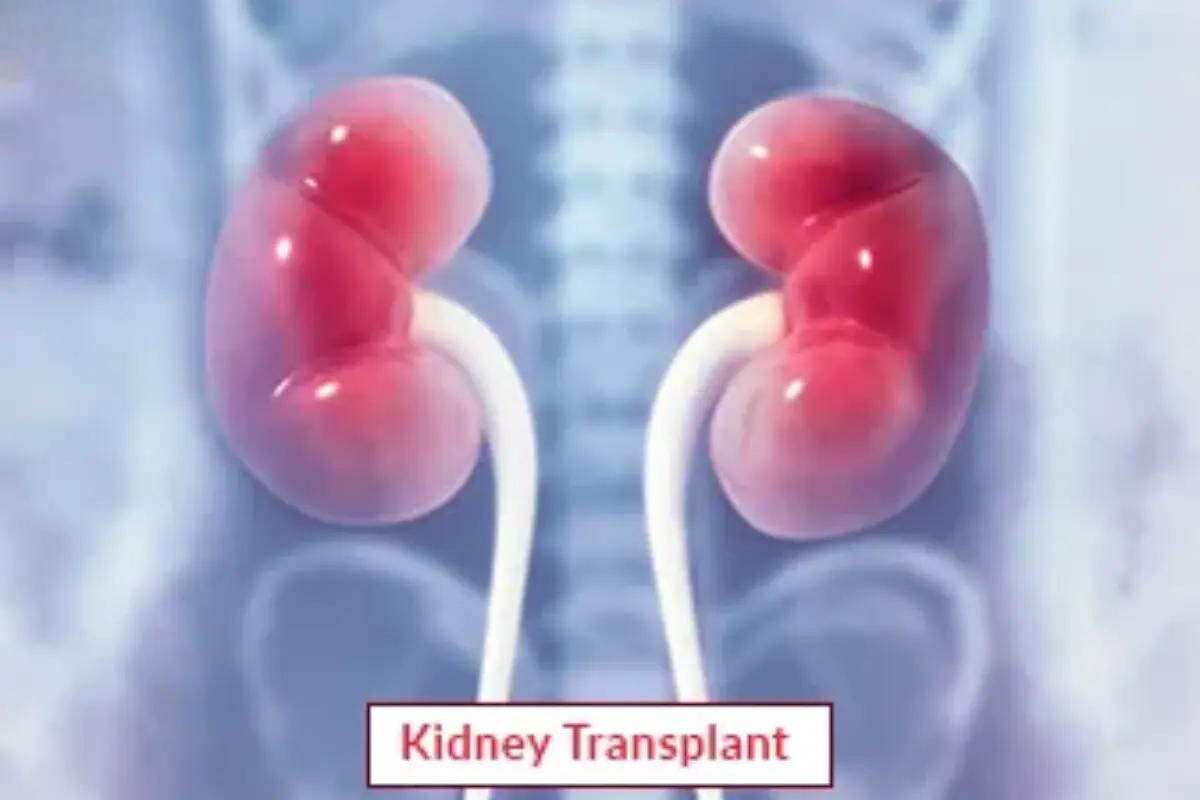
Many individuals are suggested for kidney transplant surgery when they suffer from kidney failure. This problem is dangerous and can occur when the kidneys are unable to filter waste or does not function properly in the human body. It is a major health condition that mainly occur at any age. This leads to breathing problems, loss of appetite, etc, in individuals.
Kidney transplant is a surgery that involves the replacement of damaged kidney with a healthy one. This procedure is recommended as a better treatment option than dialysis. It is mainly used for the treatment of end-stage kidney failure or chronic kidney disease in individuals. Its other name is renal transplant.
Types of Kidney Transplant
This surgery is of two kinds: Deceased Donor and Living Donor
- Deceased donor: In this procedure, a kidney is removed from a dead patient and then it is inserted into another patient.
- Living donor: This transplant surgery involves the donation of a kidney from a living person. It is a life-saving treatment, which is recommended for primary liver cancer or metabolic diseases.
Benefits of Kidney Transplant Surgery
The advantages of this surgical approach are as follows:
- It provides more freedom to individuals so that they can spend time and work with their families and friends.
- The sexual life as well as fertility are improved from this surgery.
- It requires fewer hospital visits and dietary restrictions for patients.
- This surgery helps patients to live longer and improve their quality of life.
Risks and Complications of Kidney Transplant
Kidney transplant surgery is considered a safe procedure, but it leads to several complications. These include the following:
- Blood clots
- Leakage or blockage of urine in the ureter
- Infection
- Delayed graft function
- Heart attack
- Skin cancer
- Death
- Failure or rejection of a donated kidney
- Allergic reaction to general anesthesia
What conditions can be treated with Kidney Transplant Surgery?
A healthcare professional recommends this surgical procedure when a patient is suffering from the following health problems:
- Lupus
- Polycystic kidney disease
- Acute kidney injury
- Glomerulonephritis
- Hemolytic uremic syndrome
- Chronic kidney failure
- Congenital kidney defects
- Kidney disease from diabetes or high blood pressure
Individuals experiencing active cancer, severe heart disease, etc, are not suggested for this surgery. They must consult with a relevant doctor for the management of these health conditions.
Kidney Transplant Procedure
Before Procedure
Selection of Transplant Center
A kidney transplant center is recommended for patients suffering from kidney failure. They are free to select their centers on their own or choose from the list of insurance companies. Before choosing a center of a kidney transplant surgery, the following things will be considered:
- Center location
- Survival rates
- Support groups or other services
- Experience of a healthcare team at a particular center
- Waiting times
- Donation programs
Evaluation process
After selecting a center of kidney transplant surgery, some diagnostic tests might be conducted for its evaluation. These are as follows:
- X-ray: It identifies the infection, lung disease, and other abnormalities associated with the lung. The size of a heart will also be checked from this diagnostic procedure.
- Blood test: It checks whether a donor kidney is compatible with a recipient or not. This diagnostic test is of different kinds, like blood typing, tissue typing, cross-matching, etc.
- CT or MRI Scan: They are special X-ray methods in which a particular tissue layer is visualized. CT scan is mainly used for the identification of renal vascular diseases and other pathologies, whereas MRI scan is applicable for the confirmation of ultrasound findings.
- Biopsy: In this procedure, a small tissue sample is removed and then it is sent for examination to determine the cause of any kidney function issue. It is performed for the detection of kidney rejection and minimization of graft failure in patients.
- Renal Nuclear Scan: It is a simple diagnostic procedure that requires no preparation for a patient. A radiopharmaceutical dye is injected directly into the vein or vascular access to assess the renal transplant blood flow and its function.
- Ultrasound: The sound waves are used for locating and outlining internal organs, and the abnormalities are noted from an ultrasonologist. In this procedure, the kidney and its blood vessels will be visualized, and then the abnormalities are noted.
During Procedure
The steps that can be performed during the surgical procedure are as follows:
- The surgeon inserts a tube into a patient’s mouth, and then it is connected with a ventilator so that a patient will be able to breathe during the surgical procedure.
- The long incision is created at one side of the lower abdomen, and a donated kidney is inserted into it.
- If a kidney is placed into the position, then it can be connected with the blood vessels and the bladder easily.
- A new kidney’s vein and artery are attached with the original vein and artery.
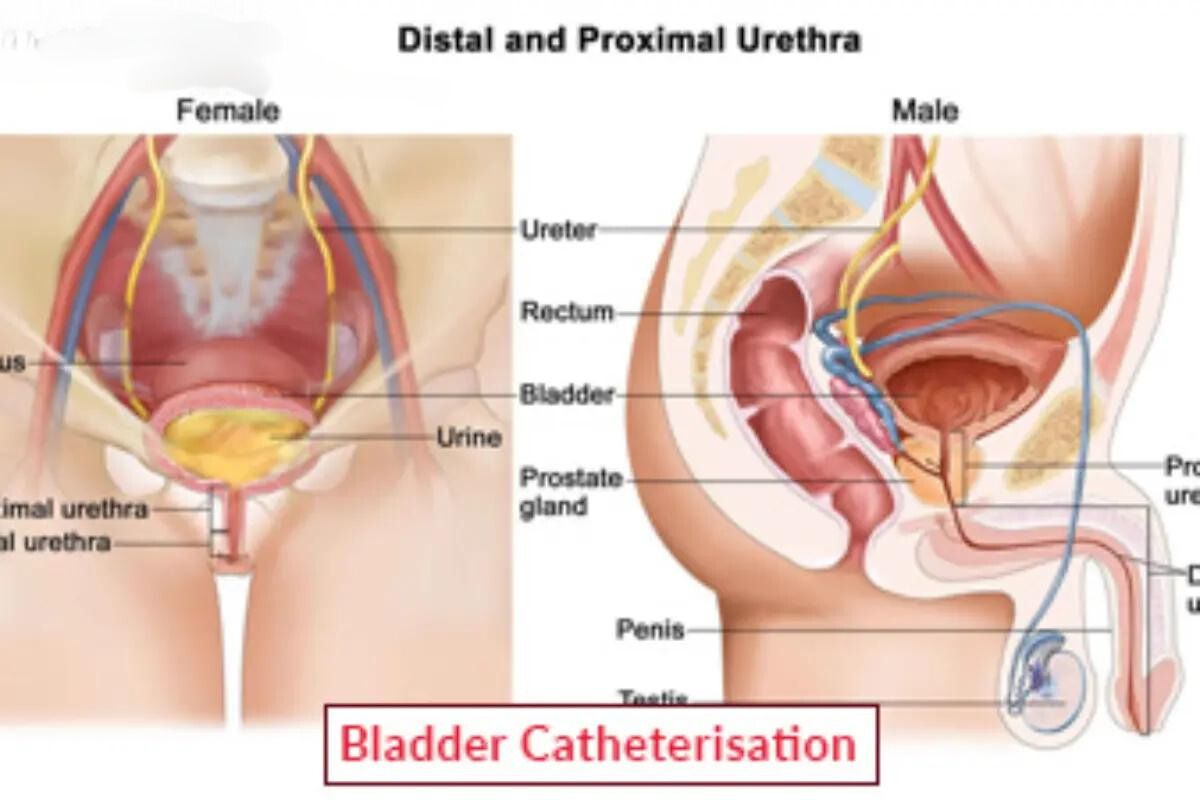
- An ureter of a new kidney is connected with a bladder, which allows the urine to flow from the body.
- The incisions are closed with surgical staples or stitches, and then a small surgical drain is inserted for the minimization of swelling in incisions.
After Procedure
After kidney transplantation, a patient spends a few days in the healthcare department. The doctors and nurses monitored his or her conditions and checked the sign of complications. Some side effects, such as soreness or pain, might be expected around the incision site. Most people can resume their work or normal activities after kidney transplantation. The objects weighing above 10 pounds or strenuous activities must be prohibited for six weeks.A patient may start taking immunosuppressive medications, which keep their immune system from the rejection of a new transplant kidney.