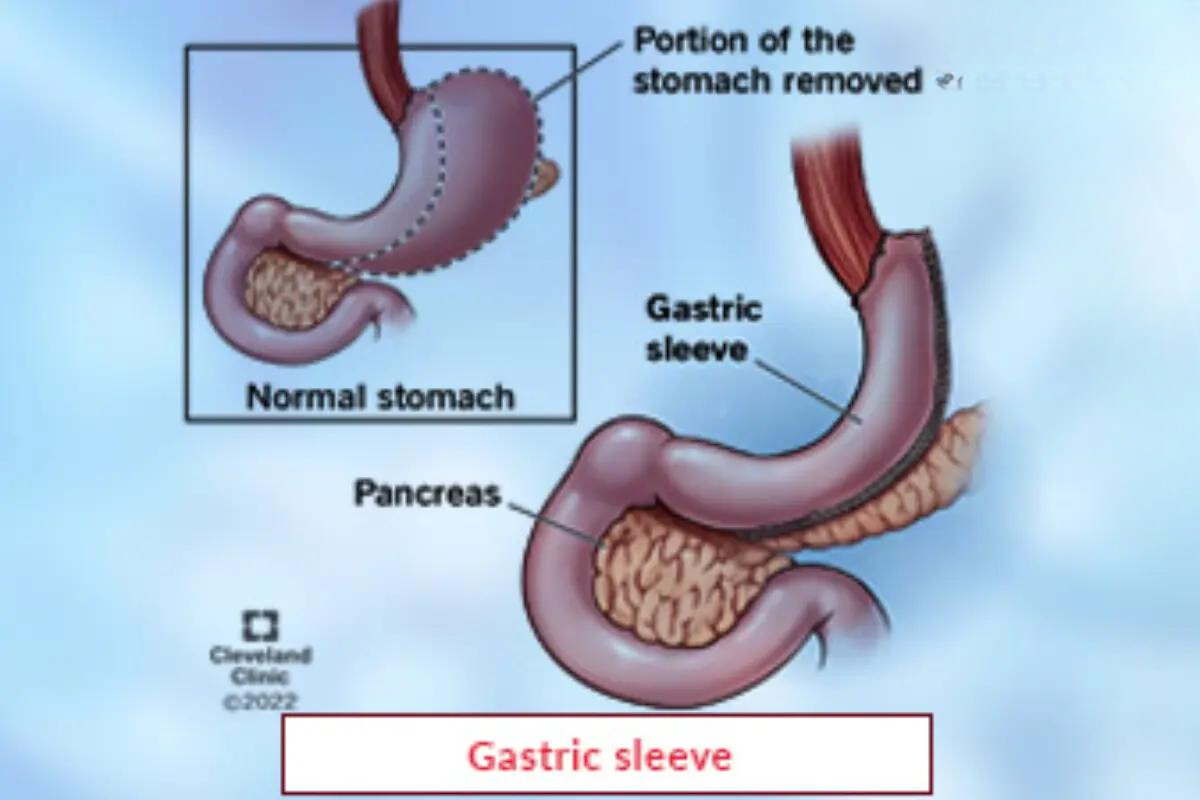






Gastric sleeve is a medical surgery procedure. Its main purpose is to reduce weight. With the help of this surgery, an individual can lose 50 to 90 pounds however, each person’s result may vary. It is also known as sleeve gastrectomy. In this procedure, surgeons remove that large part of your stomach that makes hormones that increase appetite and help control insulin. By reducing your stomach, doctors restrict hunger and manage calories. The surgery is essential for those who are suffering with clinically severe overweight. Through this surgery the healthcare provider removes about 80% of your stomach.
Most of the left part of the stomach is removed, and the remaining stomach is formed like a narrow tube, which is called a sleeve. A healthcare provider suggests gastric sleeve surgery when someone is obese with body mass index over 40, and there are high chances of developing conditions like heart disease, type 2 diabetes, high blood pressure, etc. Gastric sleeve treatment is often done with laparoscopy surgery, with small incisions in the upper belly.
What Conditions Can Gastric Sleeve Treat?
Gastric sleeve is an effective way to treat obesity and several medical conditions that are associated with overweight. These include:
- Joint pain
- Osteoarthritis
- Insulin resistance
- Type 2 diabetes
- Heart disease
- Hypertension
- Steatohepatitis
- Nonalcoholic fatty liver
- Obstructive sleep apnea
Side Effects
Here are the common side effects and complications that gastric sleeve surgery can pose.
- Infection
- Leakage from staple line
- Bleeding
- Reactions to anesthesia
- Nutritional deficiencies
- Gastroesophageal reflux
- Nausea
- Vomiting
- Diarrhea
Procedure of Gastric Sleeve Surgery
- Before Procedure: Before going for the surgery, you need to pass some screening tests and qualify for bariatric sleeve surgery. And you need to follow a liquid diet for two weeks. During the consultation, the surgeon will also give you specific guidelines to follow. You’ll be asked not to eat or drink anything for hours before surgery. It is essential to make sure your stomach is empty while performing the operation. Having food and liquid left in your stomach during the surgery could cause unpleasant or even hazardous side effects.
- During Gastric Sleeve Surgery:
- Firstly, you’ll be given general anesthesia, so you’ll be asleep throughout the procedure.
- After that, the surgeon will make a small incision about 1 to 2 inch long and insert a port to put the carbon dioxide gas to expand your abdomen.
- Then the surgeon will place a tiny video camera laparoscope through the port. The camera will project your insides onto a screen.
- Through one to three more incisions, the surgeon will insert additional ports and complete the procedure using long, narrow tools.
- After that, the surgeon will measure out the gastric sleeve, then divide and separate the remainder of your stomach using a surgical stapler.
- Lastly, your surgeon will remove the remainder of the stomach, then close the incisions that are made.
- After Procedure:
- Frequent check-ups with your consulted doctors need to be done for 3, 4 weeks or a month.
- The healthcare provider will monitor your weight loss progress.
- Your existing conditions and side effects are also measured.
- You need to avoid certain drinks and food and follow the rigorous diet given by the doctor.
Latest Health Tips
Can Immunotherapy Cure Stage 4 Lung Cancer?
Early Signs of Cervical Cancer
Foods that Kill Cancer: Leafy Vegetables, Grains, & More
What Stage of Cancer is Immunotherapy Used For?
Which is Worse for Cancer, Sugar or Alcohol?
Vaccines That Prevent Cancer
What Kills Cancer Cells in the Body Naturally?
5 Early Warning Signs of Bone Cancer
Submit Your Enquiry
Testimonials