
• appointment@healthcheckbox.com
  • +91 844 817 7919
  • appointment@healthcheckbox.com
  • +91 844 817 7919
HealthCheckbox
Book An Appointment
Menu
HealthCheckbox
  • Home
  • Treatments
  • Our Network
    • Doctors
    • Hospitals
  • About us
  • Testimonials
  • Contact us
Gastric Band Surgery product Image
Home Obesity Gastric Band Surgery

Gastric Band Surgery

  • Description
Description

Gastric band surgery treats obesity in individuals by using an adjustable band. It is a soft, rubbery, and made up of hollow silicon tube. When other methods are not effective for treating obesity then it is advised by your healthcare provider. The band is tied around the top of the stomach. It is helpful when other ways are not effective to treat obesity, like dieting and exercise. This band is wrapped around your stomach to limit the amount of food. This makes you eat less food and feel full. This is how surgery helps in losing weight. 

What Conditions can be treated by Gastric Band Surgery?

There are some health conditions which can be treated through this operation:

  • Heart disease
  • Type 2 diabetes
  • High blood pressure
  • Obstructive sleep apnea
  • High cholesterol
  • Non-alcoholic fatty liver disease

Benefits of Gastric Band Surgery

The surgery has many advantages and these are as follows:

  • Fast recovery
  • Nutrients absorbed without loss
  • Long-term treatment for obesity
  • Less chances to get infected
  • Quality of life gets improved
  • Low risk of extra weight related problems like diabetes, involuntary leakage of urine etc.

Procedure of Gastric Band Surgery

  • Before the Procedure: There are some preparations have to be done before starting the process and these are as follows:
    • Share the medical history of the patient with the doctor.
    • You will be asked to quit smoking a few weeks before starting an operation.
    • You have to follow some specific diet such as low-caloric food.
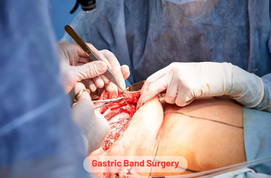
  • During the Procedure: This is a less invasive process which is done in the following ways:
    • Your doctor will give you anaesthesia because it is a laparoscopic operation.
    • Few small cuts are made in your abdomen.
    • Then this band is wrapped around to the top of your stomach. There is an injection port at the one end of an empty silicone tube. It is used to inflate the band.
    • Through the port, air or fluid is injected into the tube. It can tighten or loosen the band. It gets tight like a belt and forms two portions of the stomach.
    • Cuts which are made in your stomach get closed by using dissolvable stitches. 
  • After the Procedure: Once the process is completed then your healthcare provider will prescribe you pain relieving medicines. You also have to follow-up their advice.

Recovery and Diet After the Surgery

There are some restricted rules that should be followed after the procedure. The diet has been divided according to the number of weeks. It includes the consumption of fluid, protein, and multivitamins, like vitamin B12, calcium, & vitamin D:

  • In starting days, individuals should have only water and fluids like thin soups.
  • First two weeks, you can start with taking thicker liquid. Such as sugar-free pudding, broth soup, low fat cheese and protein-rich food.
  • Diet for two to four weeks, a patient can have small portions of pureed and soft food, which can be tolerated. You can eat mashed potatoes, yoghurt, lean fish, well-cooked pureed vegetables, tofu, etc.
  • Meal plan for two to eight weeks until two months of the surgery, you can take up to 500 calories in a day. It is divided into 6 to 8 meals, which can be in the form of solids and liquids.
  • Meal plan for 2 to 6 months after an operation, 900 to 1000 calories can be taken. It is important to take 65 to 75 grams of protein on a regular basis. You can take low-fat dairy fat, bread, rice, fruits without skin, etc.
  • Meal plan for six months, there are some foods which should be consumed in a smaller amount than the previous amount. Avoid raw fruits, vegetables, breads, popcorn; only three meals and 1 or 2 snacks in a day. Do not eat food that contains high protein; continue with 900 to 1000 calories in a day.

Is Gastric Surgery Risky?

Yes, there are some risks which are associated with this operation. These are as follows:

  • Blood clots
  • Internal bleeding
  • Infection
  • Hard to swallow food due to small size of food
  • Heartburn
  • Band could slip from its location
  • Band can be eroded due to friction against your stomach
  • Nausea
  • Vomiting
  • Constipation

Our Other Services

  • Reconstructive surgery product Image Reconstructive Surgery
  • cervical-polyp-removal product Image Cervical Polyp Removal Treatment
  • Lymph Node Biopsy product Image Lymph Node Biopsy Treatment
  • Alcoholic Hepatitis Image Alcoholic Hepatitis Treatment
  • Systemic Lupus Erythematosus product Image Systemic Lupus Erythematosus Treatment
  • Percutaneous Nephrolithotomy (PCNL) product Image Percutaneous Nephrolithotomy (PCNL) Treatment
  • Transcatheter Aortic Valve Implantation product Image Transcatheter Aortic Valve Implantation Treatment
  • Laser Eye Surgery product Image Laser Eye Surgery
  • Arterial Switch Operation product Image Arterial Switch Operation Treatment
  • Bone Conduction Hearing Aid product Image Bone Conduction Hearing Aid Treatment

Latest Health Tips

Blood Cancer Symptoms-blog img
08 Jan
Health Tips

Blood Cancer Symptoms: Early & Stages-Wise Symptoms

  • March 31, 2026
  • By author-avatar Dr Areeb Zafar Hashmi
One of the most threatening diseases in today's life is blood cancer...
Continue reading

How Long Can You Survive Breast Cancer Without Treatment-blog img
14 Nov
Health Tips

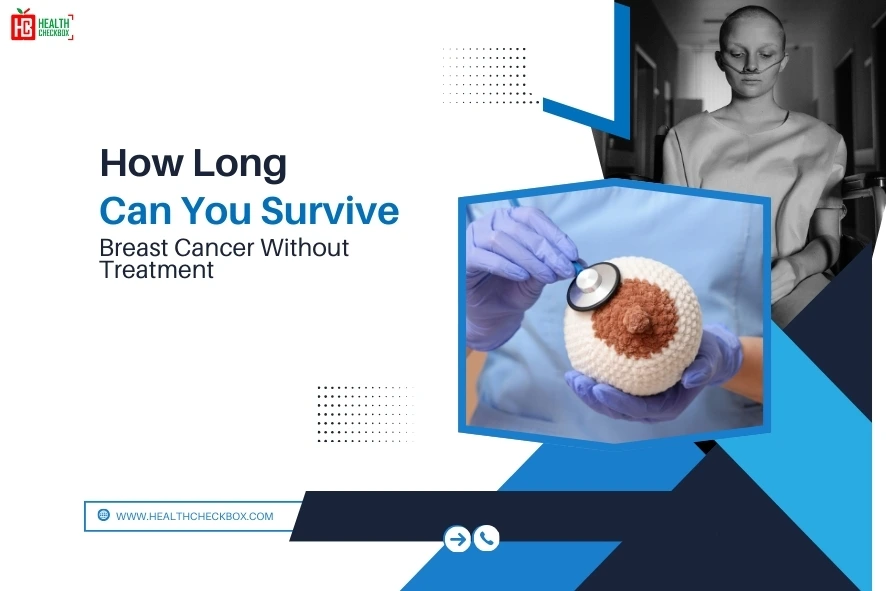
How Long Can You Survive Breast Cancer Without Treatment?

  • March 31, 2026
  • By author-avatar Dr Areeb Zafar Hashmi
Breast cancer is one of the major cancer diseases in the world. It a...
Continue reading

13 Nov
Health Tips

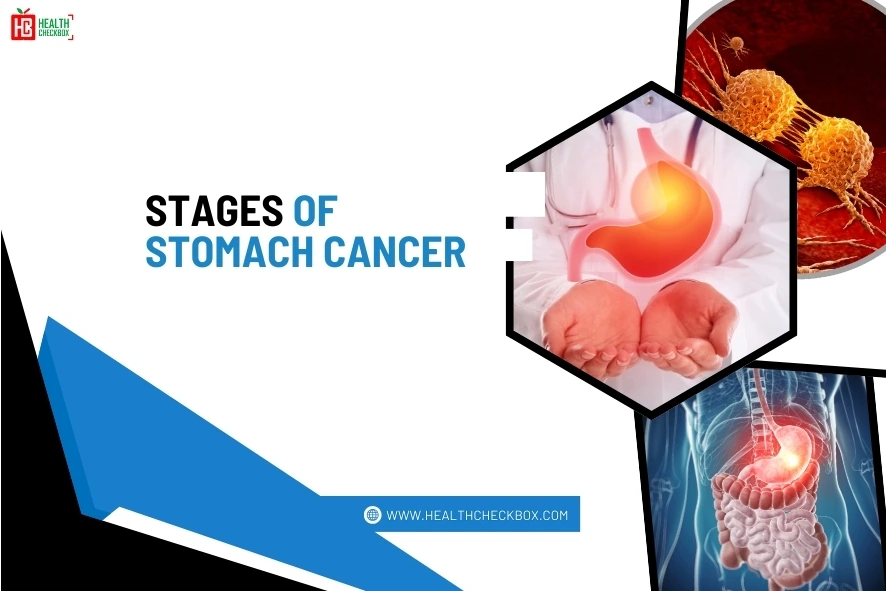
Stages of Stomach Cancer

  • March 31, 2026
  • By author-avatar Dr Areeb Zafar Hashmi
Stomach cancer, also known as gastric cancer, is a serious disease t...
Continue reading

Prostate Cancer Symptoms-img
06 Nov
Health Tips

Understanding Prostate Cancer Symptoms

  • March 31, 2026
  • By author-avatar Dr Areeb Zafar Hashmi
Prostate cancer is a major global health problem. According to the G...

Continue reading

Oral Cancer Symptoms-blog img
31 Oct
Health Tips

Oral Cancer Symptoms: Early Warning Signs

  • March 31, 2026
  • By author-avatar Dr Areeb Zafar Hashmi
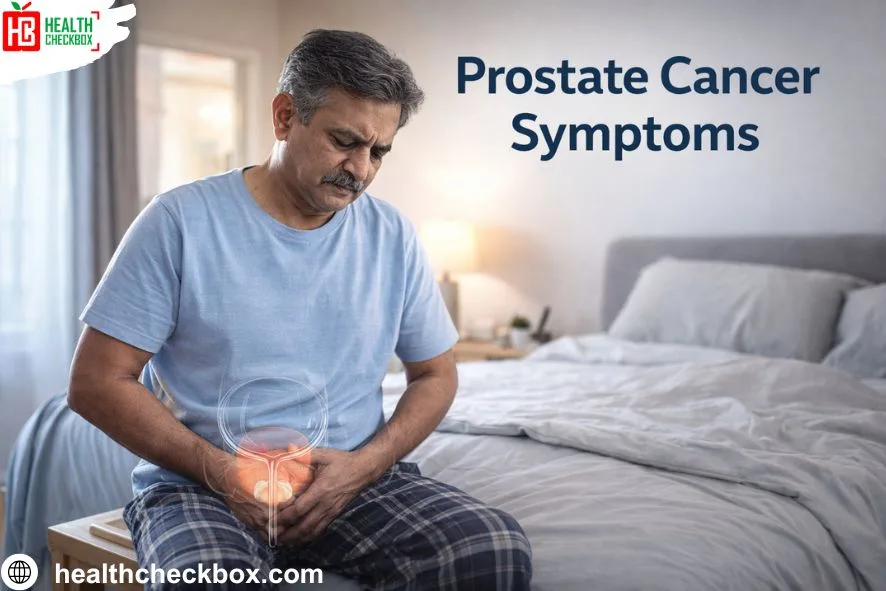
When cancerous cells develop in the mouth or throat, it is known as ...
Continue reading

Anal Cancer Treatment Cost in India-blog img
18 Oct
Health Tips

Anal Cancer Treatment Cost in India

  • March 31, 2026
  • By author-avatar Dr Areeb Zafar Hashmi
Anal cancer rarely occurs, but it's a serious one, and it requires i...

Continue reading

Bile Duct Cancer Treatment Cost in India-blog img
16 Oct
Health Tips

Bile Duct Cancer Treatment Cost in India

  • March 31, 2026
  • By author-avatar Dr Areeb Zafar Hashmi
The intestine, gallbladder and the liver are all connected by the sm...

Continue reading

Bone Cancer Treatment Cost in India-blog img
13 Oct
Health Tips

Bone Cancer Treatment Cost in India

  • March 31, 2026
  • By author-avatar Dr Areeb Zafar Hashmi
A bone cancer can be a life-threatening disease for some people. In ...

Continue reading

Submit Your Enquiry

    IMPORTANT LINKS
    • Home
    • Treatments
    • Testimonials
    • About us
    • Contact us
    • Privacy Policy
    • Terms & Conditions
    • Refund and Cancellation Policy
    IMPORTANT TREATMENTS
    • Anal Cancer Treatment
    • Bile Duct Cancer Treatment
    • Bladder Cancer Treatment
    • Blood Cancer Treatment
    • Bone Cancer Treatment
    • Brain Cancer Treatment
    • Breast Cancer Treatment
    • Car T-Cell Therapy
    • Cervical Cancer Treatment
    Latest Posts
    • Difference Between Glioma and Glioblastoma: Causes, Symptoms & Survival Guide
    • How to Boost the Immune System Naturally at Home?
    • Benefits of Regular Health Check-Up | Early Detection & Prevention
    • Effects of Stress on the Body: Physical Symptoms & Health Risks
    • How to Treat Dry Eyes: Home Remedies, Eye Drops & Medical Care
    Contact Us

    appointment@healthcheckbox.com

    Phone No:
    +91 844 817 7919

    Address:
    E-21C, Sector-8, Noida, UP-201301, India

    Trustpilot
    ©️ HealthCheckbox.com | Operated by AYUSHMITA HEALTHCARE PRIVATE LIMITED.
    payments
    • Home
    • Treatments
    • Our Network
      • Doctors
      • Hospitals
    • About us
    • Testimonials
    • Contact us

    Book Appointment

      Facebook X Instagram YouTube linkedin WhatsApp WhatsApp
      Chat Icon
      Book An Appointment