
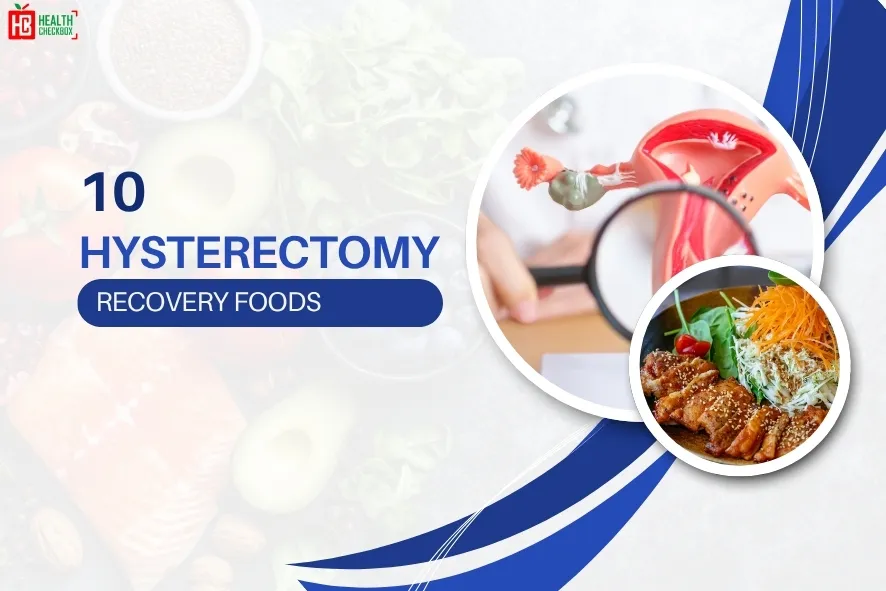
After a hysterectomy treatment, the body needs increased protein for tissue repair, iron to compensate for surgical blood loss, calcium. Due to shortage of these proteins, the women may face the problems of weight gain, sleepless nights, and some chronic diseases. In this case, you need to eat healthy and nutritious foods or follow a diet for a faster recovery. Recovery is very important after this treatment because it can cause multiple problems for the patient in the upcoming years. In this blog, we are providing you with the best hysterectomy recovery foods that can improve your recovery process, including foods that you should avoid eating, and the type of hysterectomy.
What do you mean by Hysterectomy?
Hysterectomy is a process in which doctors remove the uterus from the female reproductive system in cases of uterine cancer or ovarian cancer. This process comes under gynecology, which mainly focuses on the health of the female reproductive system.
A fibroid removal treatment is a type of treatment in which doctors remove the fibroid from the reproductive system. The drawback of this treatment is that some women face complications such as internal stitches after hysterectomy, hysterectomy menopause, and a deficiency of estrogen in the body. Here are some types of hysterectomy surgery you should know about.
- Vaginal Hysterectomy
- Laparoscopic Hysterectomy
- Robotic Hysterectomy
Why Recovery Foods Matter After Hysterectomy?
Here are some points on why recovery foods matter:
- Helps in the healing process.
- Boost Immunity
- Improve Digestion
- Restore Energy Levels
10 Hysterectomy Recovery Foods
Doctors recommend natural estrogen after hysterectomy for those women who face a deficiency of estrogen in the body. Here are the top 10 hysterectomy recovery foods:
Greek Yogurt & Cottage Cheese (Dairy Products)
Dairy products like yogurts and cottage cheese are the best source of protein, which helps in the recovery process after a hysterectomy treatment. The patients who do not have a problem with constipation can definitely go for dairy products. Taking these protein sources is one of the best options for reducing hysterectomy recovery time. Greek yogurt has high protein (15-17g/serving) that may help to support tissue repair.
Brown Rice & Oats (Whole Grains Meals)
These are the best sources of minerals and fibers that you can enjoy at breakfast time. These sources are much better than those of processed white bread, which can cause many health problems. Patients can add some yogurt or cheese for a better taste. Taking these sources in balanced quantities is most important.
Protein Smoothies with Banana & Flaxseed (Shakes)
So many patients get bored with a regular diet, so adding shakes or smoothies to their diet feels satisfying to their taste buds. You can make your shakes in more exciting ways, like adding multiple fruits that you like, which can add some taste to smoothies. These are the best foods after a surgery that make you feel happy and fill your belly.
Salmon & Sardines (Seafoods)
Seafoods are the best sources of protein, which help you in your recovery process and reduce the recovery time. But for those who are herbivores or do not eat seafood, they can try supplements like smoothies and protein powders. These have omega-3 fatty acid that help to reduce the post surgical inflammation.
Spinach & Bell Peppers (Fruits & Veggies)
Fruits and veggies are the best sources of fiber and nutrients that can promote your health in the recovery phase and make you strong. Patients can make their juice or eat it as a whole. Spinach & bell peppers provide iron which may help to replenish the blood lost during the surgery. As per PubMed studies, they have vitamin C which may boost the collagen synthesis for wound healing.
Oats, Lentils & Prunes (High Fiber Foods)
Foods like oats, lentils, and prunes are high sources of fiber that help in digestion and promote healthy recovery. These fibers may also help in healing in the abdominal and pelvic region. Taking these fibers in a balanced amount is most important for the patient; otherwise, they can cause certain problems.
Blueberries, Broccoli & Turmeric (Phytonutrients)
Phytonutrients like blueberries, broccoli, and turmeric are plant-based components that help boost the immunity of a patient after surgery. Avocados and leafy greens are also foods that have high phytonutrients. These nutrients boost the recovery process in the patient’s body.
Tofu, Edamame & Flaxseed (Phytoestrogens)
Foods like Tofu, Flaxseed, & soy products are the best sources of estrogen, which helps women with menopause. Taking these sources in a balanced amount is best for faster recovery.
Canned Salmon & Fortified Soy Milk (Calcium)
Foods like canned salmon and legumes are the best sources of calcium, which helps in the recovery process after surgery. For promoting bone health, taking 1,000–1,200mg of calcium daily (per NIH “Office of Dietary Supplements” guidelines) is the best option.
Bone Broth & Herbal Teas Fluids (Fluids)
Fluids like fruit juice and herbal tea play a vital role in the recovery process. These liquids remove toxins from the body and save you from being dehydrated after treatment.
Foods to Avoid After a Hysterectomy
Here are some foods that you should avoid after a hysterectomy:
- Gas-producing foods
- High-fat and processed foods
- Saturated fats
- Excessive dairy products
- Sugary foods
- Greasy and spicy foods
- Caffeinated drinks
Recovery Diet Timeline After Hysterectomy Surgery
- Day 1-3: Bone broth, herbal teas, coconut water, plain yogurt, and fresh fruit juice.
- Week 1-2: Scrambled eggs, oatmeal, lentil soup, steamed vegetables, and protein smoothies.
- Week 3–4: Salmon, spinach, tofu, brown rice, blueberries, and fortified soy milk.
- Week 5–6: Return to a full balanced diet, maintaining high protein, calcium (1,000–1,200mg/day), and 8–10 glasses of water daily.
Note: Always follow the specific dietary plan given by a healthcare expert or dietitian.
Conclusion
After surgery, it is essential to take a balanced, nutrition-rich diet for a faster recovery. Patients who undergo a hysterectomy treatment phase a mineral and vitamin deficiency in their bodies. So it is best to take enough of those supplements that help you in the recovery process. In this blog, we cover all the important elements of this topic and hope you get some idea about the best foods to consume and the worst foods to avoid.
Note: This article is for informational purposes only and does not substitute for advice from your surgeon or a registered dietitian.