

• appointment@healthcheckbox.com
  • +91 844 817 7919
  • appointment@healthcheckbox.com
  • +91 844 817 7919
HealthCheckbox
Book An Appointment
Menu
HealthCheckbox
  • Home
  • Treatments
  • Our Network
    • Doctors
    • Hospitals
  • About us
  • Testimonials
  • Contact us
Piles surgery product Image
Home General Surgery Piles Surgery

Piles Surgery

  • Description
Description

Piles surgery, also known as hemorrhoidectomy, is a medical procedure to treat severe cases of hemorrhoids. Swollen veins in the rectum and anus are usually known as piles or hemorrhoids. Pain, restlessness, and, at times, bleeding are different signs shown by these unhealthy veins. Normally, piles are classified as Internal and External. External piles develop below the skin of the anus, whereas internal piles develop inside the anus and lower rectum linings. A diet rich in fiber content, whole grains, and drinking plenty of water, i.e., 8 to 10 glasses of water daily, is the best way to keep your bowel movements regular and decrease the symptoms for piles.

Types of Piles

Depending on how severe the condition of hemorrhoids, they are classified by grades as follows:

  • Grade 1: No prolapse.
  • Grade 2: Prolapse that resolves on its own. 
  • Grade 3: Prolapse that requires self-push.
  • Grade 4: Prolapse that produces pain and cannot be pushed in on its own.

Methods of Piles Surgery

  • Rubber Band Ligation: Internal hemorrhoids of any severity up to Grade 3 are treated here.
    • A tight band is stretched around the periphery of the hemorrhoid to cut off its blood supply. Two or more surgeries may be required here during a time of 2 months. 
  • Coagulation Therapy: Also known as infrared photocoagulation. Internal hemorrhoids of grades 1-3 are treated with this procedure. An electric current or infrared light is made use of to form scar tissue. This scar tissue limits the blood supply to the pile, and this causes it to fall.
  • Sclerotherapy: In this procedure, a doctor injects a chemical solution into an internal hemorrhoid. This solution makes the nerve endings asleep, and this ensures relief from pain. Scar tissue is formed, which results in hemorrhoids to fall off.
  • Hemorrhoidectomy: Grades 3-4 hemorrhoids, massive external hemorrhoids, and hemorrhoids that are not improving with nonsurgical treatment are all suitably treated by this procedure.
  • Hemorrhoid stapling: Internal hemorrhoids that are prolapsed or have become big are treated here. External piles cannot be treated here.
  • Causes of Hemorrhoids: Exertion during Bowel Movements:
    • Childbirth and Pregnancy
    • Obesity
    • Low-Fiber Diet
    • Sedentary Lifestyle
      • Sitting or standing for unusually long periods
      • Lack of exercise
        • Regular exercise promotes proper circulation and helps prevent this condition.

Symptoms of Piles

1. The symptoms of external hemorrhoids can include:

  • Skin sensation or itching effect around the anus.
  • Pain close to the anus, especially when sitting.
  • Soft lumps and swelling around the anus.
  • Defecation is full of pain.
  • Bleeding in the rectum in case of internal piles.

2. The symptoms of internal hemorrhoids can include:

  • Passing of blood during bowel movements
  • Hemorrhoid dropping out of the anus, known as a prolapse

Risks and Complications

Pile surgery is generally safe, and complications are rare. 

1. A doctor should be consulted in the following cases:

  • You have a mostly or significantly bloody bowel movement.
  • You are having an excruciating stomach or anal ache.
  • You are experiencing diarrhea.
  • You are suffering from a fever.
  • You are having difficulty urinating.
  • You have external hemorrhoids that have thrombosed.

2. Serious complications can include:

  • Abscess, where there is a collection of pus and is painful that is an outcome of a bacteria infection.
  • Hemorrhage
  • Peritonitis, reddening of the lining of the abdominal cavity.
  • Sepsis, that is blood-poisoning.

 Piles Surgery Procedure 

  • Assessment and Diagnosis:
    • The doctor will visually inspect the anus or with the help of a Hill Ferguson retractor look for signs of hemorrhoids.
    • Diagnostic methods like anoscopy may be employed to inspect the rectum and conform for piles.
  • Excision:
    • General anesthesia is given before the surgery to cut open the hemorrhoidal tissue.
    • Using a laser, scalpel, or scissors the surgeon will remove the swollen hemorrhoids.
  • Hemorrhoid Separation: The reddened hemorrhoid tissue is removed with a scalpel making sure that the blood supply to the hemorrhoids is cut off.
  • Wound Closing: Depending on the incision size and location, the surgeon may leave it open to heal on its own or close it with sutures. 
  • Pain Control: Anus pain is likely to persist for a few days following the surgery. In this case, painkillers can be helpful.

Piles Prevention Methods

  • Abstaining from straining while going to the toilet.
  • Keeping away from frequent or strenuous lifting.
  • Avoiding away from prolonged sitting.
  • Taking a fiber rich diet.
  • Avoiding prolonged hours of sitting.
  • Consuming lots of water.
  • Taking a sitz bath.

Our Other Services

  • Intestine Transplant product Image Intestine Transplant Treatment
  • Episiotomy Repair product Image Episiotomy Repair Treatment
  • Vertigo Surgery product Image Vertigo Surgery
  • Stereotactic Radiosurgery product Image Stereotactic Radiosurgery Treatment
  • Pessary Placement product Image Pessary Placement Treatment
  • Polypectomy Surgery product Image Polypectomy Surgery
  • Laparoscopic Ovarian Drilling product Image Laparoscopic Ovarian Drilling Treatment
  • Hormone Replacement Therapy (HRT) Product Image Hormone Replacement Therapy (HRT)
  • Hair Transplant product Image Hair Transplant Treatment
  • Incision and Drainage Abscess Product Image Incision and Drainage Abscess Treatment

Latest Health Tips

Blood Cancer Symptoms-blog img
08 Jan
Health Tips

Blood Cancer Symptoms: Early & Stages-Wise Symptoms

  • March 31, 2026
  • By author-avatar Dr Areeb Zafar Hashmi
One of the most threatening diseases in today's life is blood cancer...
Continue reading

How Long Can You Survive Breast Cancer Without Treatment-blog img
14 Nov
Health Tips

How Long Can You Survive Breast Cancer Without Treatment?

  • March 31, 2026
  • By author-avatar Dr Areeb Zafar Hashmi
Breast cancer is one of the major cancer diseases in the world. It a...
Continue reading

13 Nov
Health Tips

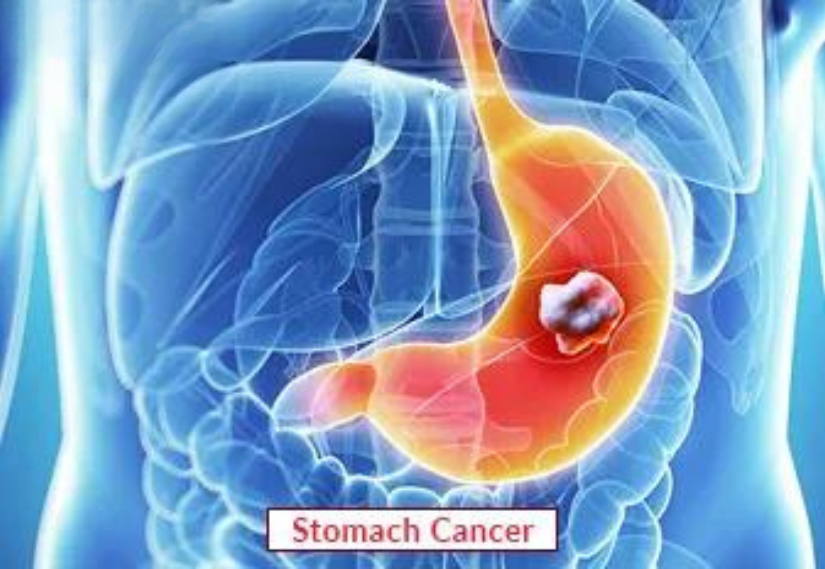
Stages of Stomach Cancer

  • March 31, 2026
  • By author-avatar Dr Areeb Zafar Hashmi
Stomach cancer, also known as gastric cancer, is a serious disease t...
Continue reading

Prostate Cancer Symptoms-img
06 Nov
Health Tips

Understanding Prostate Cancer Symptoms

  • March 31, 2026
  • By author-avatar Dr Areeb Zafar Hashmi
Prostate cancer is a major global health problem. According to the G...

Continue reading

Oral Cancer Symptoms-blog img
31 Oct
Health Tips

Oral Cancer Symptoms: Early Warning Signs

  • March 31, 2026
  • By author-avatar Dr Areeb Zafar Hashmi
When cancerous cells develop in the mouth or throat, it is known as ...
Continue reading

Anal Cancer Treatment Cost in India-blog img
18 Oct
Health Tips

Anal Cancer Treatment Cost in India

  • March 31, 2026
  • By author-avatar Dr Areeb Zafar Hashmi
Anal cancer rarely occurs, but it's a serious one, and it requires i...

Continue reading

Bile Duct Cancer Treatment Cost in India-blog img
16 Oct
Health Tips

Bile Duct Cancer Treatment Cost in India

  • March 31, 2026
  • By author-avatar Dr Areeb Zafar Hashmi
The intestine, gallbladder and the liver are all connected by the sm...

Continue reading

Bone Cancer Treatment Cost in India-blog img
13 Oct
Health Tips

Bone Cancer Treatment Cost in India

  • March 31, 2026
  • By author-avatar Dr Areeb Zafar Hashmi
A bone cancer can be a life-threatening disease for some people. In ...

Continue reading

Submit Your Enquiry

    IMPORTANT LINKS
    • Home
    • Treatments
    • Testimonials
    • About us
    • Contact us
    • Privacy Policy
    • Terms & Conditions
    • Refund and Cancellation Policy
    IMPORTANT TREATMENTS
    • Anal Cancer Treatment
    • Bile Duct Cancer Treatment
    • Bladder Cancer Treatment
    • Blood Cancer Treatment
    • Bone Cancer Treatment
    • Brain Cancer Treatment
    • Breast Cancer Treatment
    • Car T-Cell Therapy
    • Cervical Cancer Treatment
    Latest Posts
    • MRI vs CT Scan: Which is Better for Diagnosis?
    • Is Sitting Too Much Harmful? Health Risks of a Sedentary Lifestyle Explained
    • Difference Between Glioma and Glioblastoma: Causes, Symptoms & Survival Guide
    • How to Boost the Immune System Naturally at Home?
    • Benefits of Regular Health Check-Up | Early Detection & Prevention
    Contact Us

    appointment@healthcheckbox.com

    Phone No:
    +91 844 817 7919

    Address:
    E-21C, Sector-8, Noida, UP-201301, India

    Trustpilot
    ©️ HealthCheckbox.com | Operated by AYUSHMITA HEALTHCARE PRIVATE LIMITED.
    payments
    • Home
    • Treatments
    • Our Network
      • Doctors
      • Hospitals
    • About us
    • Testimonials
    • Contact us

    Book Appointment

      Facebook X Instagram YouTube linkedin WhatsApp WhatsApp
      Chat Icon
      Book An Appointment