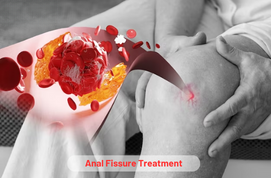
Anal fissure is a very painful condition which is happen when a small tear develops in the lining of the anus. It is often caused by constipation, hard stools or excessive straining during bowel movements. It can lead to much pain, bleeding, irritation or many other conditions that can affect daily life. Most of the people ignored its symptoms, and they delayed the treatmnet which can make the condition more serious and difficult. Proper medical care, on-time diagnosis, is a very important factor for faster recovery.
We are providing advanced and effective anal fissure treatment with a focus on patients’ comfort. Our well experienced experts used advanced laser technology and a minimally invasive procedure to make sure that patients get a safe treatment. With the high success rates, low cost treatment options, and patient friendly environment, we are dedicated to helping you to recover comfortably and live a painless life.
Symptoms of Anal Fissure
The symptoms of an anal fissure can depend on the severity and the duration of the condition. Most of the patients experienced pain during that time or after passing stool. In most of the cases, the pain may continue for several hours. In the section below, some common symptoms are given, which include:
- Pain during bowel movements
- Itching sensation around the anus
- Bright red blood on toilet paper or stool
- A visible crack or tear near the anal opening
- Feel irritation around the anus
- Difficulty sitting comfortably
- Constipation due to fear of pain during passing stool
Causes of Anal Fissure
The anal fissures mainly occur when the delicate lining of the anal canal gets stretched or injured. There are many possible causes which can lead to this condition, such as:
- Chronic constipation
- Passing hard or large stools
- Straining during bowel movements
- Low fiber diet
- Dehydration
- Childbirth-related injury
- Inflammatory bowel diseases like Crohn’s disease
- Anal infections or trauma
Those people who have poor digestive health or irregular bowel habits then they have a higher risk of developing a fissure. Maintain healthy bowel movements, which play a very imporatnt role in preventing this condition.
Types of Anal Fissure Treatment
The treatment of anal fissure focuses on softening stools, relaxing the tight surrounding muscles, and easing the pain so that the tear can heal. Most of the tears can heal in a some weeks with the simple home care. The main types of anal fissure treatment are given below:
Home Remedies
Over the 90% of the fresh fissures heal with simple management of the lifestyle or taking care of the diet.
- Eat fresh fruits, vegetables, and whole grains and also add some fibre supplements such as Isabgol. It keeps the stool soft and bulky.
- Drink lots of water, which prevents the stool from becoming dry and hard.
- Soaking your bottom in a tub of warm water for ten to fifteen minutes, or two to three times a day. It helps to relieve the pain and relax the anal muscles, which helps the tear heal.
Medical Treatments
If you are trying the home care and it is still not enough or it keeps returning, then the doctors may suggest the medications.
- Over the counter, medicines such as lactuylose it helps you to pass the stool without straining.
- Prescription ointment which containing the muscle relaxants such as diltiazem or nitroglycerin, are applied directly to the skin. It helps to improve the blood flow to the area and it relaxes the tight muscle spasms that prevent healing.
- If the cream does not work, then the doctor may inject the Botox into the anal muscles. It helps to relax the muscle for a few months.
Surgical Procedures
If the fissure has become serious, lasting longer than eight weeks, or if it does not respond to other treatments, then surgery may be needed at that time.
- The lateral internal sphincterotomy is the most common and highly successful surgery. In this process, the expert makes a tiny cut in the internal anal sphincter muscles to stop the painful spasms and relieve the pressure. It allows the fissure to heal permanently.
Recovery Time After Anal Fissure Treatment
Most people experienced pain relief within a few days of the anal fissure treatment. The light, non-strenuous daily activity is mainly resumed in about the first few weeks. Moreover, the complete healing of the tear takes around four to six weeks. During this time, it is very imporatnt to prevent constipation by eating plenty of fibre and drinking lots of water to ensure that bowel movements remain soft.
Risks if Left Untreated
If you ignore the anal fissure, then it can lead to serious discomfort and complications. Here are some possible risks, which include:
- Persistent severe pain
- Chronic constipation
- Muscle spasms in the anal region
- Infection and abscess formation
- Development of a fistula
- Difficulty in daily activities
Why Choose Us for Anal Fissure Treatment?
Selecting the right place or expert is very imporatnt for the successful anal fissure treatmnet. We are focused on providing modern care with patient comfort and their safety.
Our Key Advantages:
- Experienced proctology specialists
- Advanced laser treatment technology
- Personalised treatment plans
- Minimally invasive procedures
- High success rate
- Affordable treatment options
- Hygienic and patient-friendly environment
- Quick recovery support
We understand how painful and uncomfortable anal fissures can be. Our team make sure the accurate diagnosis, best treatment and complete post treatment care for the long term.