

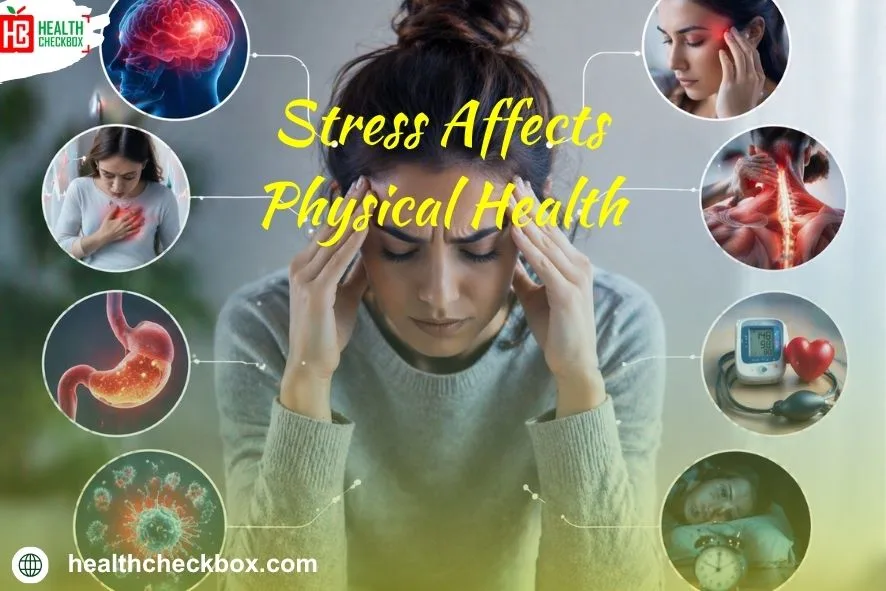
Stress is a common part of life, whether it is related to our work, relationships, finances, or any challenges that come out of the blue. Some stress is natural and some is important to motivate us to do something. You can become mentally and physically ill if chronic stress has increased. The symptoms of stress can affect physical health, by the headache, sleeping troubles, feeling unwell or lack of focus at work. Here, will talk about how stress affects physical health and its management.
What is Stress and How Does it Affect the Body?
Stress is a response that the body releases when they face any challenges or demands in a situation. When you get stress your body releases some hormones such as cortisol and adrenaline, which tell your body what to do. The hormones which your body releases prepare you to face the challenges or demands in your life. This stress helps your body to prepare to run or fight by increasing the heart rate, breathing rate and blood pressure. Not every type of stress is bad sometimes stress helps us to do tasks or prevents us from getting hurt. Stress can be for the short term and our bodies can handle it easily.
There are three types of stress: acute stress, episodic acute stress and chronic stress. These stresses stay for some term(Hours/Days) or long term (Months/Years). Chronic stress can have an impact on mental and physical health. Stress can affect the brain and body.
Symptoms of Physical Stress
The symptoms of physical stress that you can feel in the body are:
- Headaches
- Dizziness
- Shoulder pain
- Neck pain
- Back pain
- General body aches
- Tense muscles
- Chest pain
- Increased heart rate
- Heaviness in your chest
- Shortness of breath
- Feeling tired
- Unusual sleeping
- Diarrhea
- Constipation
- Nausea
- Frequent infections
How Stress Affects Physical Health and the Body?
Stress can affect your body by your thoughts, feelings and behavior. It can also affect the cardiovascular, nervous, immune and digestive systems. If you are stressed for a very long time, then stress affects the body and its ability to work. Stress affects physical health, like weakened immunity, increased blood pressure and tiredness. There are also some common signs by which you can identify that you have stress. So, we are going to explain how stress affects physical health and the body:
Respiratory Systems and Cardiovascular Systems
Stress hormones can affect the respiratory system. When the stress response occurs, our breathing becomes faster in a way that they quickly want to distribute the oxygen throughout our whole body. If you are suffering from any breathing problem like asthma or emphysema, then it must be hard for you to breathe properly. Chronic stress increased the risk of heart disease, high blood pressure, high cholesterol levels and stroke. Stress hormones like adrenaline and cortisol can be raised by releasing the stress in the body. The heart and blood vessels can increase the stress. Because of stress, your heart also pumps faster.
Stress hormones increase blood pressure by making blood vessels small. It happens because blood vessels can be squeezed into a smaller space. Stress can cause blood vessels to constrict (vasoconstriction), increasing blood pressure. Blood flow is redirected to essential muscles during stress and changes the direction of the oxygen to the muscles so that you are able to get strength for any action. Chronic stress makes your heart work so much and for such a long time. And when your blood pressure rises, you have a high chance of having a stroke or heart attack.
Digestive Systems
Stress can lead to issues like diarrhoea, bloating, stomach pain and irritable bowel syndrome in the digestive issues. When you have stress, your liver releases extra blood sugar or glucose so it can boost your energy. Our bodies are not able to handle this much extra blood sugar in chronic stress. It can also increase the chances of developing type 2 diabetes. Hormones, fast breathing and increased heart rate can have a bad impact on the digestive system. You also have heartburn or acid reflux which is an increase in stomach acid. When the blood is decreased, it is supplied to the digestive tract, slowing the digestion and increasing muscle stress.
Sleep Issues
Stress can interrupt sleeping patterns and can cause insomnia or having the problem with sleep. The stress in the body disrupted the sleep and wake cycle due to the stress hormones which make it difficult for some people to fall asleep or keep sleeping. Because of stress, you get uneven thoughts or worry that gives you a challenge to go to sleep.
Immune System
The immune system can be weakened due to chronic stress which can lead to infections and illnesses. The immune system might be controlled by stress hormones, which makes the less capacity to prevent from the disease. If you get any viral infection disease then it may be harder to heal the wounds. Habits like smoking, drinking and eating poorly can cause stress, weaken the immune system and reduce the body’s response.
Hormonal Imbalance
Hormonal balance in the body gets disturbed by stress and it releases stress hormones like cortisol and adrenaline. A lot of stress on the body can lead to the overproduction of hormones because of chronic stress. It can also unbalance the hormones in the body. Hormonal imbalances which are related to stress that can lead to a lot of symptoms like irregular menstrual cycles, decreased sexual drive, weight gain, weight loss, mood swings, trouble sleeping and physical or mental fatigue.
Stress can lead to weight gain or loss due to the development of eating habits. It happens because some people, when they are stressed they overeat and turn unhealthy. Other people lose their appetite or miss their meal. It leads them to gain weight as well as lose weight.
Central Nervous and Endocrine Systems
The central nervous system is in charge of your fight or run response. In our body there is the hypothalamus that signals and tells the adrenal glands to release stress hormones which are adrenaline and cortisol. These hormones accelerate to you heart beat and send the blood to the area that is most needed in an emergency. The areas like muscles, heart and other important organs. When that particular fear has gone, then the hypothalamus tells all the systems to go back to normal. And if the central nervous system is not able to turn normal or if the stress doesn’t go away, then the response will continue.
Muscular System
When you are stressed, chronic muscle tension may increase risk of pain and stiffness. When you are no longer stressed, then the muscles become relax but if you are stressed, then they are not able to or get any chance to relax. It can cause headaches, back pain, shoulder pain or body aches and because of this, you stop doing exercise which leads you to an unhealthy cycle and leads you to take pain medication for relief.
Sexuality and Reproductive System
If you are suffering from any constant stress and also losing your desires, then it’s not unusual. If stress stays for a long time, then man’s testosterone level can start to drop. It can impact the sperm and can cause an inability to achieve or maintain satisfactory sexual desire. Chronic stress may indirectly affect the reproductive health, such as the prostate and testes. Stress can affect the menstrual cycle in women which can lead to irregular, heavier or painful periods. It also shows the symptoms of menopause.
How to Manage Stress?
You should manage the symptoms of stress because it has so many health benefits. So, here are some tips by which you can manage the stress, like:
- Do regular physical activity every day.
- Eat a healthy diet.
- Get enough sleep.
- Set a time for hobbies.
- Stay away from tobacco and alcohol.
- Spend time with family and friends.
- Practice relaxation meditation.
- Write in a journal.
When to Seek a Healthcare Provider?
You should consult a doctor if stress starts to interfere with daily life and shows many symptoms of other mental health disorders. Like depression, it can ruin your concentration and cause poor sleep. Anxiety, muscle tension and overthinking have increased. Unhealthy eating behaviors, it can be the cause of chronic stress. If the symptoms don’t go and keep coming, then you should talk to your doctor. They can work with you to see any other health issues and provide a positive impact to manage stress. So it’s important to seek help from a doctor. Always remember, seeking help is a sign of strength, and managing stress is a process that requires care, patience and effort.
Conclusion
Stress is a natural part of life, but when it becomes chronic, it can have an effect on the mind and body. By understanding how stress affects physical health, you can save your physical well being. To control stress and well being is worth the time and effort since it’s maintaining good physical health. Consistent headaches, trouble sleeping, changes in appetite and many more are a few symptoms of chronic stress. Also, the changes in reproductive systems, digestive systems, muscular system and many more can have a stress effect on the physical health.
Note: This blog is for informational purposes. If you are facing any symptoms mentioned above then at first you should consult the doctor.