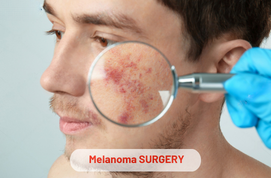
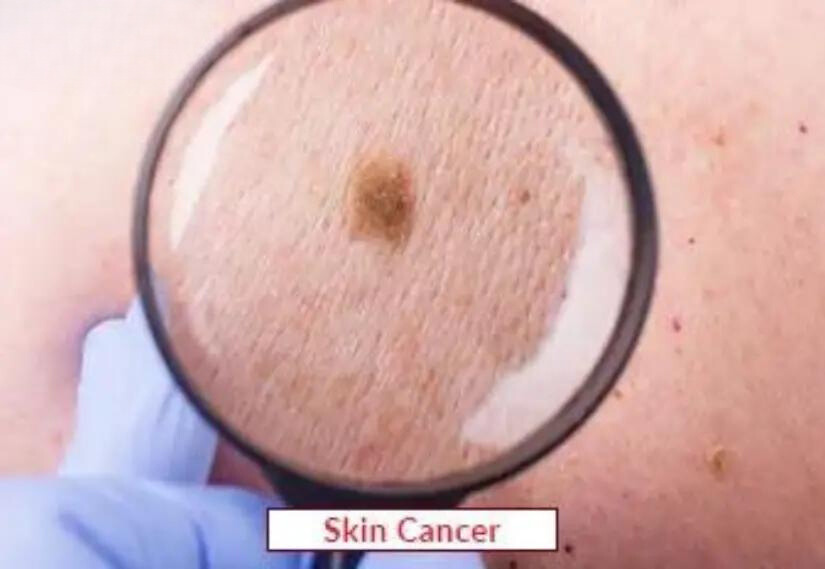
Melanoma is one of the serious types of cancer that occurs on skin which develops in the melanocytes, the cells that produce melanin. This is a rare skin cancer, but it is more aggressive than other skin cancers. The situation becomes critical when medical treatment is not provided on time. This cancer rapidly spreads to different body regions when it remains untreated during its initial stages. The doctors prescribe melanoma surgery as the required method to remove this type of cancer. The procedure requires surgical removal of all cancerous tissue together with healthy skin to achieve complete tumor removal. Doctors use lymph node examinations to investigate whether cancer has spread to those particular areas. The primary treatment for melanoma delivers best results when used in the early stages of this disease.
When is Melanoma Surgery Needed?
The standard initial treatment for melanoma cases which have been identified during their initial phase of development involves surgical procedures. Your doctor may recommend surgery if:
- The melanoma is confined to the skin.
- There is no extensive spread to distant organs.
- The tumor thickness indicates surgical removal.
- There is a need to prevent further metastasis.
- Biopsy confirms cancerous cells.
Types of Melanoma Surgery
- Wide Local Excision: Wide local excision is the most common type of melanoma surgery. It removes all cancerous tissue together with healthy skin to achieve complete tumor removal. This is one of the best options for initial melanoma.
- Mohs Surgery: This surgery removes the melanoma layer by layer. Surgeons look with a microscope to find remaining cancerous cells. This may be the best option for sensitive areas such as face.
- Lymph Node Dissection: Surgeons recommend lymph node dissection if melanoma spreads to other parts of body. This procedure is used in the advanced stages, it reduces the risk of further spread of melanoma.
- Sentinel Lymph Node Biopsy: Sentinel lymph node biopsy removes the first node in the body where cancer has spread. This procedure helps in determining the staging of melanoma and further treatment decisions if cancer cells are present in the node.
Melanoma Treatment Procedure: Step by Step
The three phase of this surgical procedure are give below:
Before the Surgery
- Medical Assessment: Review of biopsy results, medical history, and physical examination.
- Imaging Tests: Scans to check for cancer spread.
- Blood Tests: To ensure overall fitness for surgery.
- Surgical Planning: Deciding the type of surgery (excision, lymph node biopsy).
- Pre-Operative Instructions: Guidelines on fasting, medications, and preparation.
During the Surgery
- Anesthesia Administration: The procedure requires either local or general anesthesia to ensure patients experience no pain.
- Tumor Removal: The surgical procedure requires total removal of the melanoma together with uninfected tissue.
- Lymph Node Evaluation (if required): The medical team will decide between sentinel lymph node biopsy and sentinel lymph node dissection as the appropriate procedure.
- Microscopic Examination (in Mohs surgery): Doctors check tissue samples through multiple layers to confirm complete tissue removal.
- Wound Closure: The surgical team uses stitches, skin flaps and skin grafts for incision closure when necessary.
After the Surgery
- Monitoring: The medical team tracks both vital signs and surgical site conditions during the first monitoring period after surgery.
- Pain Management: The medical team provides patients with medications that will help control their pain.
- Wound Care: The medical team provides instructions for surgical area maintenance which includes cleaning and protecting the area.
- Follow-Up Visits: Patients need to attend regular check-ups for both healing assessment and pathology report examination.
- Further Treatment: Doctors will suggest additional treatment options which include immunotherapy and radiation therapy as required by the patient's condition
Why Choose India for Melanoma Surgery?
- Affordable Treatment: Patients can save between 60 and 80 percent of their treatment costs when compared to expenses in Western countries.
- Experienced Surgeons: The team consists of highly skilled oncologists who received their education in multiple countries.
- Advanced Technology: The hospitals maintain their facilities with current state-of-the-art surgical equipment.
- Dedicated Medical Team: The medical facility provides complete treatment which includes all steps from diagnosis through patient recovery.
- Medical Tourism Support: We provide support for customers who need help with their visa process and travel arrangements and hotel bookings.
Risks & Complications
- Infection at the surgical site
- Bleeding or swelling
- Scarring
- Pain or discomfort
- Lymphedema (in case of lymph node removal)
- Recurrence of melanoma
Success Rate of Melanoma Surgery
- Early-stage melanoma has a survival rate which exceeds 90 to 95 percent.
- The complete surgical removal of localized melanoma leads to excellent treatment results.
- The success of advanced stages depends on two factors which include the disease spread and the extra medical procedures.