





• appointment@healthcheckbox.com
  • +91 844 817 7919
  • appointment@healthcheckbox.com
  • +91 844 817 7919
HealthCheckbox
Book An Appointment
Menu
HealthCheckbox
  • Home
  • Treatments
  • Our Network
    • Doctors
    • Hospitals
  • About us
  • Testimonials
  • Contact us
Splinting Fracture Product Image
Home Pediatrics Splinting Fracture Treatment

Splinting Fracture Treatment

  • Description
Description

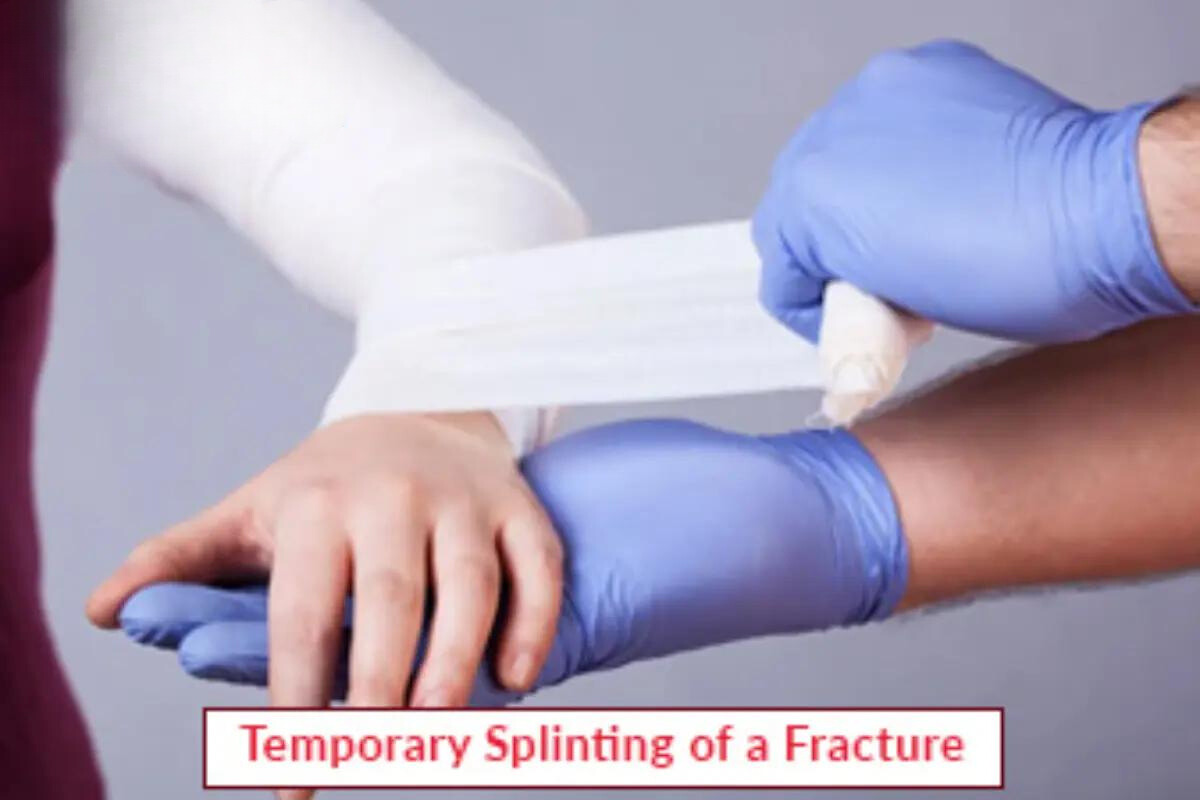
Splinting fracture treatment is a common method that supports and protects body parts that have sustained an injury. It employs a firm or semi-rigid splint device that dissuades the broken bones from moving and improves their healing. Splints are extensively used for:

  • Pain relief
  • Support
  • Deformity correction
  • Immobilization

This procedure plays a pivot role in the initial treatment of many fractures. It helps to decrease pain, reddening, and the peril of enhanced damage to the injury area. Healing is also improved as bones are kept firm and rightly in their position.

Types of Fracture Splinting

Some of the common types of splint include:

  • Static Splints: These hold your body part entirely still.
  • Static Progressive Splints: These splints don’t let you move, but it’s adjustable.
  • Dynamic Splints: It allows the movement between the body parts that are injured. But only a specific amount your provider sets.

Benefits of Fracture Splinting Treatment

A cast is heavier than splint, less sanitary, and might limit blood flow to a specific location. Splints provide remedies to these difficulties and the benefits include:

  • A mild immobilization and help for injured body parts.
  • Faster healing and recuperation.
  • Lighter and easier to carry.
  • Not prone to neurovascular problems.
  • A great level of adaptability and versatility.
  • Greater freedom of movement.
  • Allows for daily cleaning.
  • Decrease in pain and discomfort.
  • Cost-effective compared to a cast, surgery, or hospitalization.

Complications of Fracture Splinting Surgery

Mostly these occur due to a lack of information. Complications can include:

  • Skin Problems: Padding that is not proper can cause irritation to skin and blisters. 
  • Restriction in Blood Flow: A tight splint can obstruct the flow of blood causing tissue damage and complications like compartment syndrome. 
  • Stiff Joint: If a splint is used for a long duration or in a position that is not correct, it can cause the joint to stiffen and a decrease in the range of motion.

Splinting Fracture and its Procedure

Mentioned below are the general steps involved in the process:

  • Assessing: In the beginning your healthcare provider will analyze the fracture. It is done to find out the location and extent of the damage done to the injured bone. 
  • Getting Ready: The injury area will be cleaned, and any dirt or foreign particles will be removed from the site. If necessary, a local anesthetic may be administered to reduce the pain.
  • Stabilization: The healthcare provider is now geared up to stabilize the fracture area. The affected limb is placed in a suitable position, and the fracture is immobilized. To keep the limb in a firm position, the below medical devices may be utilized:
    • Bandages, padding, or a preformed splint.
  • Making the Splint Firm: Once the fracture is stabilized, the healthcare provider will make the splint firm in its place. It involves bandages or medical tape. This makes sure pressure is evenly distributed so that blood flow is not affected in the given area.
  • Aftercare: The patient is made aware of the different instructions to be followed to care for the splint. This may include keeping the area dry, prohibiting excessive movements, looking for signs of infection, and proper recovery.

How to Live With A Splint?

Besides, splints facilitate an easy recovery and decrease the ongoing pain, there are some challenges in maintaining them. Some ideas to make your life easy include:

  • Abide by the Doctor’s Guidelines: It may include how to wear it, how much weight to put on the injured area, and when to remove it for therapy or exercises. 
  • Keep the Damaged Area Elevated: In order to decrease swelling, keep the affected limb on a pillow when resting or sitting.
  • Keep the Edges Dry: Especially during a bath. You can cover the splint with a suitable plastic.
  • Use of comfortable clothes:
    • Wear clothes that are comfortable and do not cause any obstacle to the fractured area. 
    • See to it that you use the splinter as a notice and do not move the injury area outside of physical therapy. 

Our Other Services

  • Tetralogy Of Fallot product Image Tetralogy Of Fallot Treatment
  • Vulval Skin Treatment product Image Vulval Skin Treatment
  • Skin Cancer product Image Skin Cancer Treatment
  • Pancreatic Cancer product Image Pancreatic Cancer Treatment
  • Laryngotracheoplasty product Image Laryngotracheoplasty Treatment
  • Arthroscopy Surgery product Image Arthroscopy Surgery Treatment
  • Intracytoplasmic Sperm Injection (ICSI) product Image Intracytoplasmic Sperm Injection Treatment
  • Cutaneous Horn Removal product Image Cutaneous Horn Removal Treatment
  • Ovarian Tumor Removal product Image Ovarian Tumor Removal Treatment
  • Bladder Catheterization Product Image Bladder Catheterization Treatment

Latest Health Tips

Stage 4 lung cancer life expectancy without treatment blog img
13 May
Health Tips

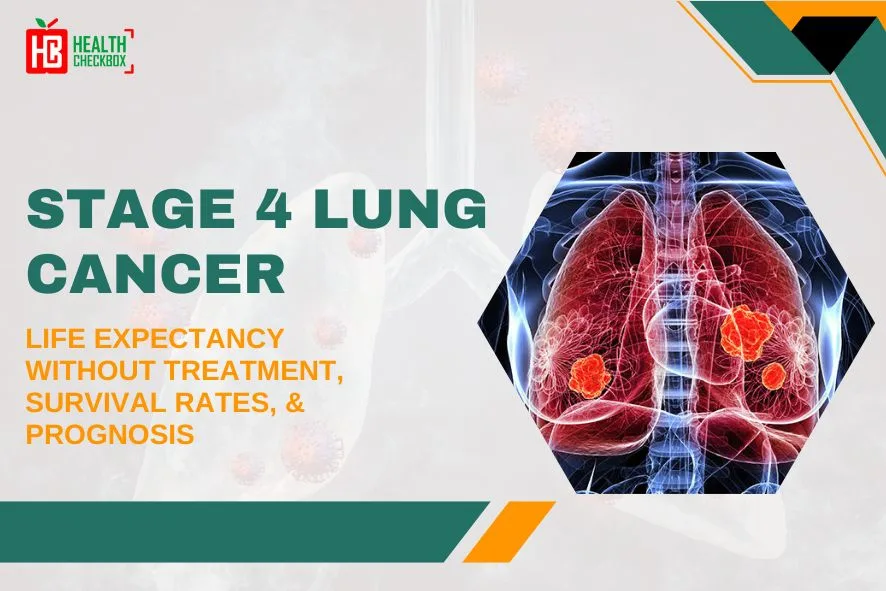
Stage 4 Lung Cancer Life Expectancy in India: Survival Rates & Prognosis

  • May 14, 2026
  • By author-avatar Dr Areeb Zafar Hashmi
Cancer problems are increasing in all over the world. These problems...
Continue reading

Liver Cancer Causes, Symptoms, & Treatment Options blog img
12 May
Health Tips

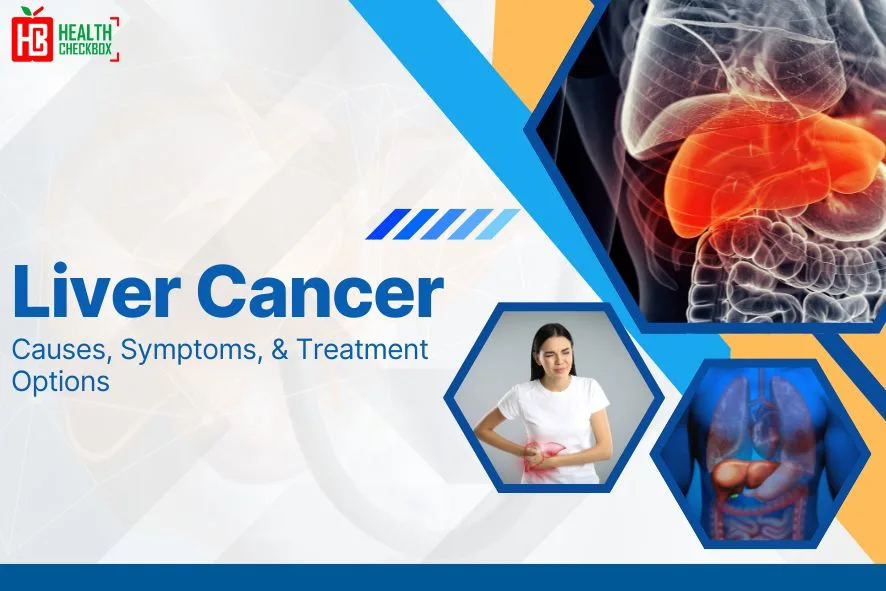
Liver Cancer Symptoms: A Comprehensive Guide

  • May 14, 2026
  • By author-avatar Dr Areeb Zafar Hashmi
As per the WHO Global Cancer Observatory 2024 reports, liver cancer ...

Continue reading

Blood Cancer Symptoms-blog img
08 Jan
Health Tips

Blood Cancer Symptoms: Early & Stages-Wise Symptoms

  • March 31, 2026
  • By author-avatar Dr Areeb Zafar Hashmi
One of the most threatening diseases in today's life is blood cancer...
Continue reading

How Long Can You Survive Breast Cancer Without Treatment-blog img
14 Nov
Health Tips

How Long Can You Survive Breast Cancer Without Treatment?

  • March 31, 2026
  • By author-avatar Dr Areeb Zafar Hashmi
Breast cancer is one of the major cancer diseases in the world. It a...

Continue reading

13 Nov
Health Tips

Stages of Stomach Cancer

  • March 31, 2026
  • By author-avatar Dr Areeb Zafar Hashmi
Stomach cancer, also known as gastric cancer, is a serious disease t...

Continue reading

Prostate Cancer Symptoms-img
06 Nov
Health Tips

Understanding Prostate Cancer Symptoms

  • March 31, 2026
  • By author-avatar Dr Areeb Zafar Hashmi
Prostate cancer is a major global health problem. According to the G...

Continue reading

Oral Cancer Symptoms-blog img
31 Oct
Health Tips

Oral Cancer Symptoms: Early Warning Signs

  • March 31, 2026
  • By author-avatar Dr Areeb Zafar Hashmi
When cancerous cells develop in the mouth or throat, it is known as ...
Continue reading

Anal Cancer Treatment Cost in India-blog img
18 Oct
Health Tips

Anal Cancer Treatment Cost in India

  • March 31, 2026
  • By author-avatar Dr Areeb Zafar Hashmi
Anal cancer rarely occurs, but it's a serious one, and it requires i...

Continue reading

Submit Your Enquiry

    IMPORTANT LINKS
    • Blogs
    • Privacy Policy
    • Terms & Conditions
    • Refund and Cancellation Policy

    Disclaimer: The content on this website is for general informational purposes only and should not be considered medical advice. HealthCheckbox connects patients with qualified doctors and accredited hospitals worldwide, ensuring proper guidance at every step.

    IMPORTANT TREATMENTS
    • Anal Cancer Treatment
    • Bile Duct Cancer Treatment
    • Bladder Cancer Treatment
    • Blood Cancer Treatment
    • Bone Cancer Treatment
    • Brain Cancer Treatment
    • Breast Cancer Treatment
    • Car T-Cell Therapy
    • Cervical Cancer Treatment
    Latest Posts
    • Long-Term Complications of Hysterectomy: What Every Woman Should Know?
    • Stage 4 Lung Cancer Life Expectancy in India: Survival Rates & Prognosis
    • Kidney Cyst Size Explained: When Is a Renal Cyst Serious?
    • Foods that Delay Your Period Naturally | Can Diet Postpone Menstruation?
    • Liver Cancer Symptoms: A Comprehensive Guide
    Contact Us

    appointment@healthcheckbox.com

    Phone No:
    +91 844 817 7919

    Address:
    E-21C, Sector-8, Noida, UP-201301, India

    Trustpilot
    ©️ HealthCheckbox.com | Operated by AYUSHMITA HEALTHCARE PRIVATE LIMITED.
    payments
    • Home
    • Treatments
    • Our Network
      • Doctors
      • Hospitals
    • About us
    • Testimonials
    • Contact us

    Book Appointment

      Facebook X Instagram YouTube linkedin WhatsApp WhatsApp
      Chat Icon
      Book An Appointment