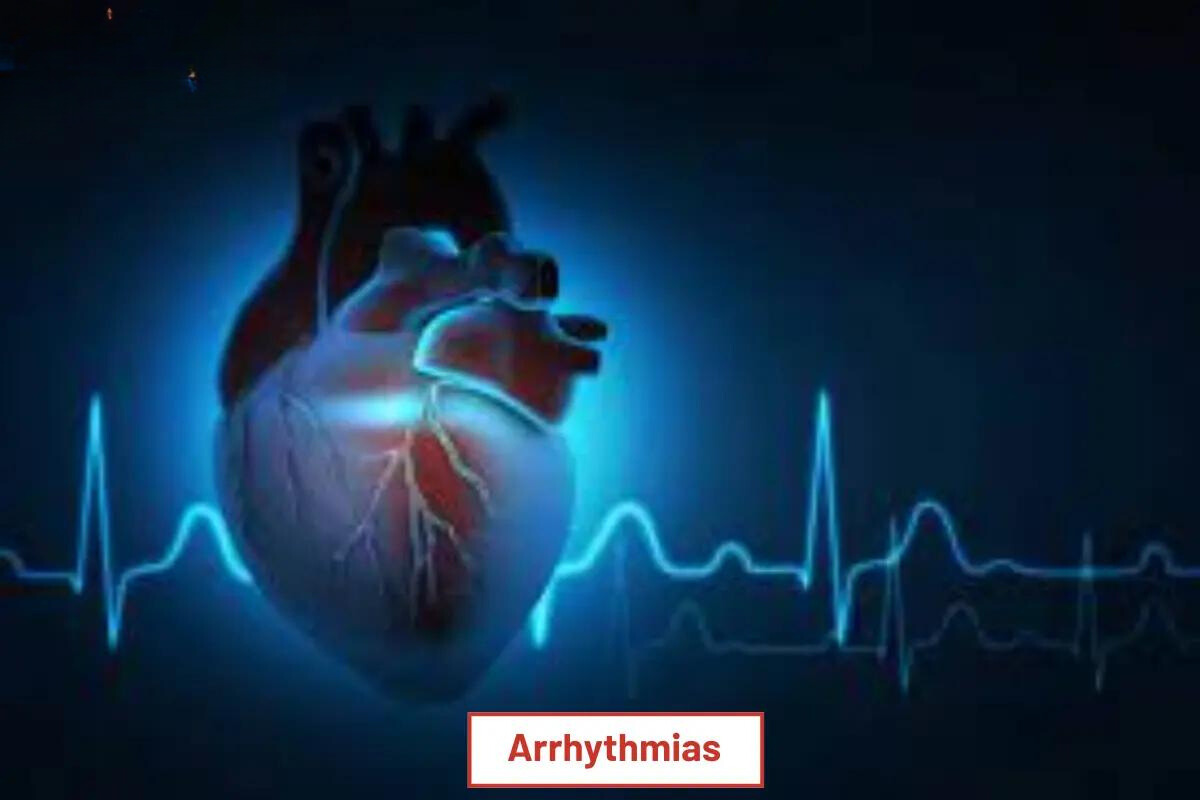
Arrhythmia is a heart rhythm disorder, where the heart beats goes suddenly too fast and too low. These types of disease can occur from electrolyte imbalance, heart diseases, or more serious cardiac complications. There are various options for arrhythmia treatment, but they all depend on the type of arrhythmias. Because, some Arrhythmia disorders are not very dangerous, but some can make the situation for cardiac arrest. Your healthcare provider can tell you which type of arrhythmia requires proper treatment.
Types of Arrhythmia
- Bradycardia: In this the heartbeats act abnormally and the rate of the heartbeats might be less than 60 beats per minute.
- Tachycardia: In the tachycardia, the heartbeats will go over the 100 beats per minute, which is a serious situation.
- Atrial Fibrillation (AFib): An irregular fast rate is caused by the heart's upper chambers quivering.
- Atrial Flutter: A fast but regular atrial rhythm, that can occasionally be effective.
- Ventricular Fibrillation: This is the most dangerous type of arrhythmia and it causes the heart not to pump blood.
- Ventricular Tachycardia (VT): In this a fast heartbeat that can become dangerous if it lasts.
Common Symptoms of Arrhythmia
- Heart palpitations
- Dizziness or lightheadedness
- Fainting episodes
- Shortness of breath
- Chest discomfort
- Weakness or fatigue
- Palpitations or fluttering in the chest
Causes of Arrhythmia
- Coronary Artery Disease: Regularly decreasing the blood flow can harm the electrical pathways which supplied to the heart.
- Heart Attack: Heart attack or previous heart attack significantly interferes with electrical signals of the heart.
- Heart Condition: Diseases like arrhythmias might occur with birth defects because of weak heart muscles.
- Cardiomyopathy: Weak heart muscles can affect the heart structure and function.
- Thyroid Disorders: Thyroid disorders can also be a reason of abnormal heart rate.
- Diabetes & Kidney Disease: Nowadays, diabetic kidney disease is one of the common risks or complications. In this situation, the blood pressure and blood sugar damage the kidney filtering units. High blood sugar levels damage the blood vessels, which presents in the kidneys.
- Lifestyle: An unmanaged lifestyle should also be a cause of arrhythmia. Smoking and alcohol can increase the heart rate and damage blood vessels. These things have caffeine, and high intake of caffeine causes arrhythmias.
- Stress: Stress can increase the heart rate and reduce the blood flow, which can raise the chances of kidney problems.
Arrhythmia Treatment Procedure
Before going to the treatment procedure, doctor suggests some physical tests and scans. You have to do some screen tests to know your heart health.
Diagnosis for Arrhythmia Treatment
- ECG: ECG test records the heart’s electrical activity.
- Physical Tests: Doctor check your heart rate and pulse to check for signs of arrhythmia.
- Other Tests: Event Recorder, Holter Monitor, Stress Test, Blood Tests, Genetic Test, Cardiac Test (CT Scan & MRI), EPS, Echocardiogram, and many more.
Arrhythmia Treatment Options
- Medications: Medications like Antiarrhythmic drugs, beta-blockers, calcium channel blockers, and blood thinners aid in controlling the heart rhythm. Before taking any medication, consult with your doctor or take only those that are prescribed by your doctor.
- Electrical Cardioversion: This treatment is used to restore the heart rhythm under monitored sedation. In electrical cardioversion, an expert provides an electronic shock to the heart.
- Catheter Ablation: Catheter ablation is a minimally invasive procedure, where doctor places one or more catheters into the blood vessels to the heart. They destroy the small areas that cause abnormal signals. This procedure treats arrhythmias effectively and minimizes the dependency on the long term medication.
- Pacemaker Implantation: Pacemaker implantation is a surgical procedure where a small device is implanted in the chest to maintain the heartbeat. Usually, pacemaker device is used for patients with a slow heart rate.
- ICD (Implantable Cardioverter Defibrillator): An ICD is implanted to monitor the heart rhythm. If this device finds abnormal heartbeats then it delivers low energy shocks to restore the heart rhythm.
Recovery & Aftercare for Arrhythmia Patients
- Eat a healthy diet including vegetables, whole grains, and proteins. You have to avoid too much salt, sugar, and other unhealthy foods.
- Do a regular exercise, meditation, or yoga to avoid stress.
- Avoid smoking, alcohol, or other substances that have too much caffeine.
- Try to sleep at least 7-8 hours and maintain a healthy weight.
- Do regular check ups for monitoring blood sugar, blood pressure, or thyroid.
Risks & Possible Complications
Arrhythmia treatment is a life saving option, but it has some risks also which are given below:
- Infection at catheter or implant site
- Bleeding or bruising
- Blood clots
- Hypertension
- Cardiac Arrest
- Device malfunction (rare)
- Recurrence of arrhythmia