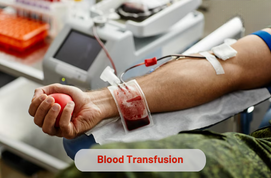
Blood transfusion treatment is a medical procedure, and it does not require incisions. During this procedure, healthy blood is transferred to the patient’s body through IVs to provide stability to the patient. The treatment is generally recommended by doctors to those patients who are suffering with anemia, blood disorders, low platelet counts, surgery, injury, and other conditions. The blood typically comes from blood banks and donors.
Blood transfusions are used for numerous health concerns to replace lost components of the blood. Initial transfusion used whole blood however, these days modern medical practice commonly uses only components of the blood, such as plasma, red blood cells, platelets, and other clotting factors. White blood cells are transfused only in uncommon situations.
Blood Components
In addition to entire blood, a transfusion can offer specific blood components or parts such as:
- Cryoprecipitate: It aids blood clot.
- Plasma: It carries required nutrients to the body.
- Platelets: Help blood clot.
- Red Blood Cells: Supply oxygen to the whole body.
When is Blood Transfusion Required?
The following are the different situations and conditions where blood transfusion is needed:
- During Pregnancy
- Delivery
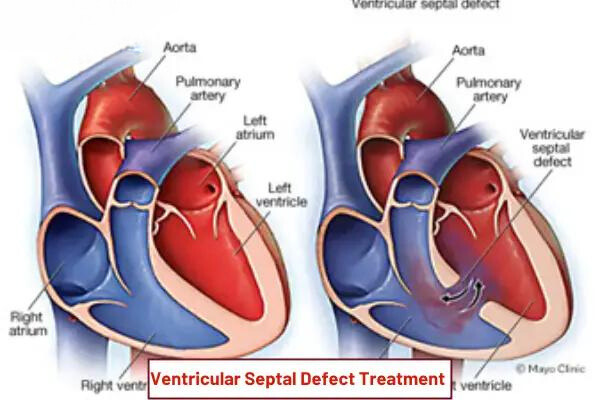
- Children born with certain heart diseases
- Surgery
- Accidents cases
- Anemia
- During cancer therapies
- Severe burn cases
Blood Transfusion Side Effects
- Allergic reactions
- Iching
- Hives
- Fever
- Chills
- Bruising around the needle area
Risks and Complications of Blood Transfusion
Although it is a safe procedure, it can pose some risks and complications if not taken care properly before the procedure. Hence, medical experts make sure the safety measurements are done before blood transfusion to the patient. Blood banks ask certain questions to the donor about their health, travel history, and behaviour.
Those candidates who successfully pass the blood donor requirement can donate blood. Once the blood donation is done the donated blood is tested in the lab for further completion. If the lab technicians find the donated blood is not safe, then it is thrown away. Even with safety measurements and precautions, there are still chances that certain conditions can be undetected. For instance, your chances of getting certain diseases from a transfusion are:
- HIV (Human immunodeficiency virus)
- Hepatitis C
- Hepatitis B
- Bacterial Contamination
Benefits of Blood Transfusion
Blood is significant for overall health. If one doesn’t have enough blood in the body, then he/she can experience life-threatening conditions. Blood and the components of blood contribute to whole body functioning and benefit the body in multiple ways, which include:
- Red blood cells carry oxygen through the body to the heart and brain. Sufficient amount of oxygen is very crucial to maintain good health.
- Platelets help to avert or control bleeding when low platelet count.
- Plasma and cryoprecipitate also aid in preventing or bleeding management.
Blood Transfusion Treatment Procedure
The blood transfusion procedure done in following steps:
- Blood Type Matching: Initially, the doctor matches the blood type. The patient’s blood type must match with the donor’s blood type, it is essential to avert immune reactions.
- Preparation: Once the blood is matched, it is obtained from a blood bank or a donor after safety screening.
- IV Insertion: The procedure starts with inserting an IV line into the patient’s vein, generally in the arm.
- Transfusion: The blood or blood components are connected to IV line and transfused over 1 to 5 hours, however, it depends on the volume.
- Monitoring: In the meantime, the patient is closely monitored under the eye of medical professionals to avoid complications like chills, fever, and difficulty in breathing.
- Completion: Once the transfusion is done, inserted IV is removed, and the patient is observed for a short period before taking discharge from the hospital or clinic.