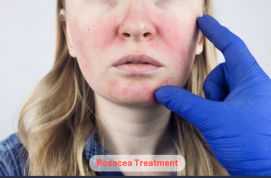

Rosacea is a very common skin problem nowadays. The causes of it are redness, visible blood vessels, and acne on the face. It often come and goes, but without the proper treatment, its symptoms are becoming more visible over the time. That is the reason starting the correct treatment early is very important to control the condition and protect your skin. The Rosacea treatment mainly includes a combination of medicated creams, oral medications, and advanced procedures such as laser therapy to reduce the redness and inflammation. A proper routine and avoiding the triggers also play a key role in taking care of the condition successfully.
At the Healthcheckbox, we are providing the rosacea treatment with a well-experienced dermatologist. They work in advanced medical facilities. We aim to focus on safe, goal-oriented care with the long time improvemnet. From the starting process to a complete treatment care, we ensure a smooth and supportive experience so that you can achieve clear skin and boost you confirdence.
Types of Rosacea
The four different types of rosacea are included:
- Erythematotelangiectatic: This is a persistent condition that is the cause of facial redness with extended and visible blood vessels. This type of characterised by flares, where the symptoms come and go suddenly.
- Papulopustular: The pus or fluid is filled in the form of pimples on your skin. Your skin could be swollen, and the symptoms are similar to acne.
- Pgymatous: These symptoms cause your skin to swell and thicken. So, your skin may be bumpy, and it affects your nose.
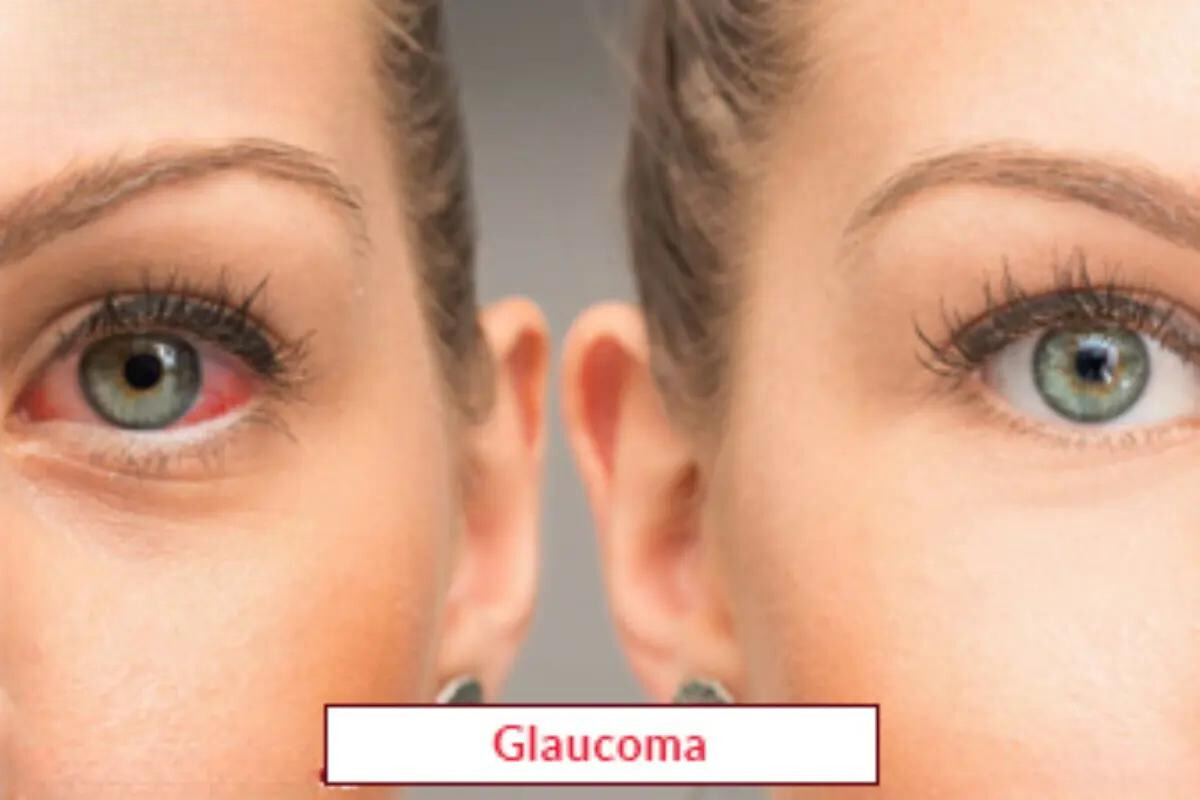
- Ocular: Rosacea can affect your eyes, which is the reason to feel irritated, bloodshot or watery eyes.
Symptoms of Rosacea
The symptoms of rosacea include:
- A long-lasting redness on the face which seen like a sunburn or blush that won’t go away.
- Light red lines are seen on the cheeks or nose.
- Red, itchy or painful bumps that feel like acne but are not.
- Sometimes stinging or burning sensationa are occure, mainly when you apply any lotion.
- The skin will thicker particulary on the nose, it may get thick, bumpy and enlarged.
- Watery, dry or bloodshot eyes occur sometimes, it is known as ocular rosacea.
Risk Factors of Rosacea
Here are some risk factors of Rosacea, which are explained below:
- Skin Type: Those who have fair skin, light hair and blue eyes who burn easily in the sun are at higher risk.
- Age: It mostly affects those who age is between 30 and 50 years old.
- Gender: Women are more likely to develop rosacea, but men are more likely to suffer from more severe cases, which include skin thickening, that is, rhinophyma.
- Family History: A history of the family is highly likely to develop it.
- Immune System/Health: Chronic inflammation, smoking and a history of some serious acne can contribute.
Common Triggers of Rosacea Flare-Ups
Some things that make rosacea worse. These are known as triggers:
- Spicy food
- Hot drinks
- Alcohol
- Sun exposure
- Stress
- Weather changes
- Heavy workouts
Knowing your triggers is very important to understand. Our team has helped you to find your triggers and explain to you how to avoid them.
Treatment Options for Rosacea
Rosacea is not cured fully, but it can be controlled with the proper care and treatments:
- Topical Treatments: The creams and gels are helps to reduce the redness and inflammation of the skin.
- Oral Medicines: Doctors prescribe some medicines to control these symptoms.
- Laser and Light Therapy: It helps to reduce the redness and the visible blood vessels of the skin.
- Customised Skincare Routine: Use a gentle face wash, daily moisturiser, Sunscreen for handling it.
- Lifestyle Changes: Avoid the triggers and follow the healthy routine daily.
Why Choose Medical Tourism for Rosacea Treatment?
Finding the best place for treatment is very important for everyone. Here are some points that describe why many people trust services like this.
- Affordable and Quality Care: Get proper treatment at a low cost
- Experienced Specialists: Well-skilled dermatologists with the proper experience.
- Advanced Technology: Best treatments for better outcomes.
- Personalised Care: Treatment plans according to your skin type
- Hassle-Free Process: Easy booking, quick consultation and full support from them.
Prevention Tips and Aftercare
Taking care of your skin daily is a very imporatnt part to manage rosacea. Here are some tips that you know:
Prevention Tips:
- Use sunscreen daily
- Avoid known triggers
- Use the best skincare products
- Stay always hydrated
- Manage your stress
Aftercare Tips:
- Follow the doctor’s advice
- Take medicines regularly
- Do not touch your face
- Keep skin clean always with the use of moisturiser