

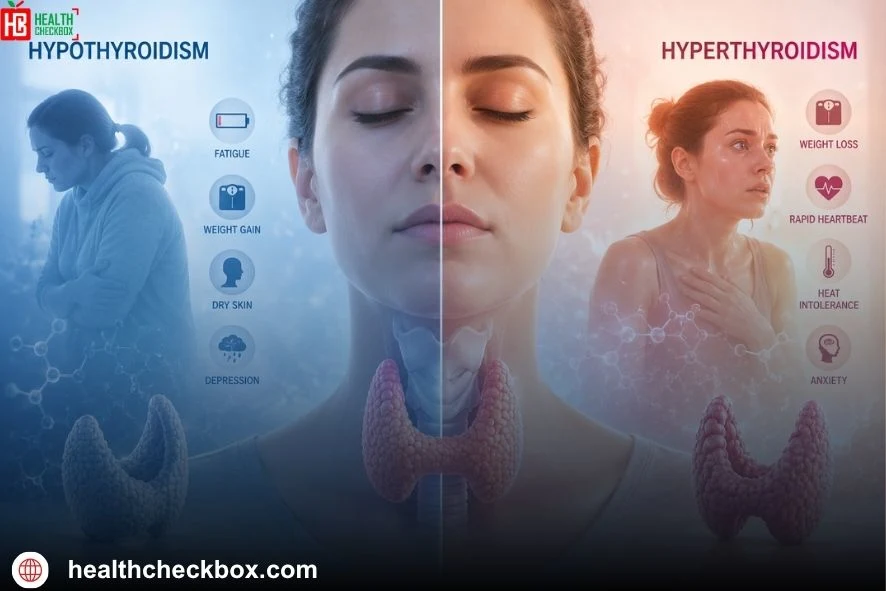
The thyroid is a butterfly shaped gland which is present in the front of the neck just below the voice box. This gland plays a crucial role in our body to control metabolism, maintain energy level, body temperature and many others. There are two common thyroid disorders, which are hypothyroidism and hyperthyroidism. In hypothyroidism, the gland produces too little of the hormones in the body that slow your body down. In Hyperthyroidism, the gland produces too many hormones that help to speed up the body. Now, in this blog, we will get to know about the types of thyroid in detail with their treatment. At the end, we will know whether these can affect fertility or pregnancy.
What is Hypothyroidism?
It is also known as low thyroid function. It happens when the thyroid gland does not produce enough T3 and T4 hormones. These hormones regulate the metabolism and lead to symptoms such as weight gain, fatigue, slow heart rate and low energy level. Women are more likely to develop hypothyroidism than men, and it can sometimes develop after pregnancy, which is known as postpartum thyroiditis. Hypothyroidism is a condition that the doctor can treat easily. Most patients are able to handle the situation with the necessary medicine with the help of their endocrinologist.
Symptoms of Hypothyroidism
Symptoms of hypothyroidism come slowly over time and it also depends on the person. Some of the common signs include:
- Weight gain
- Slow heart rate
- Muscle weakness
- Puffy face
- Fatigue
- Irregular menstrual period
- Dry skin and hair
- Depression
- Constipation
- Stiffness and joint pain
Causes of Hypothyroidism
There are some of the common causes of hypothyroidism are:
- Hashimoto’s Disease: The main cause of this disorder is Hashimoto’s disease. In this condition, the immune system of our body accidentally attacks our thyroid gland which leads to less production of thyroid hormone.
- Thyroid Surgery: If you had surgery to remove a part or all of the thyroid gland this will reduce or stop the production of hormones.
- Radiation Therapy: Doctors use this therapy to treat the head and neck area of thyroid cancer and other cancer, too. With these radiations it can permanently damage our thyroid cells which leads to slow functioning of this gland.
- Iodine Deficiency: The human body needs a good amount of iodine in its diet to produce thyroid hormones. If you do not consume the right amount of iodine from your diet so it can lead to hypothyroidism.
- Medications: Some medicines are used to treat heart conditions and psychiatric disorders, such as lithium and amiodarone, which can interfere with thyroid function.
Treatment of Hypothyroidism
There are some ways to treat hypothyroidism:
- Thyroid Hormone Replacement: This is the most common treatment which is to take a daily pill that contains synthetic thyroid hormones called levothyroxine. These pills help to replace the missing hormone and bring back normal functions. When you start thyroid hormone replacement, you have to stay in touch with your doctor.
- Regular Blood Tests: At the start, the doctor suggests to the patient a routine blood test of Thyroid Stimulating Hormone (TSH). These tests help the doctor to check your level and according to that they adjust the doses if needed.
What is Hyperthyroidism?
It happens when the thyroid gland produces very large amounts of thyroid hormones like thyroxine, T3, and T4. This speeds up the body’s metabolism and can affect multiple functions of body systems. It is an overactive thyroid condition. In this disorder you may face anxiety, experience insomnia, be sweaty or flushed and you can also lose weight without even trying.
Symptoms of Hyperthyroidism
Here are the major symptoms of hyperthyroidism are:
- Weight loss
- Nervousness
- Anxiety
- Irritation
- Tremors
- Heat sensitivity
- Sweating
- Fatigue
- Difficulty in sleeping
- Light menstrual cycle
Causes of Hyperthyroidism
There are some of the common causes of this disorder:
- Grave’s Disease: It is the most common cause. In this autoimmune condition, the immune system produces antibodies such as thyroid stimulating immunoglobulins that mimic TSH and continuously stimulate the thyroid, which causes it to overproduce thyroxine.
- Thyroid Nodules: In some cases lumps and nodules can form in your thyroid gland which leads to overproduction of hormones.
- High Iodine Intake: Consuming too much amount of iodine through your diet or medicine can lead to hyperthyroidism.
- Thyroiditis: Swelling of the thyroid gland due to infection or autoimmune reaction that releases the stored hormone into the body through the bloodstream which leads to hyperthyroidism.
Treatment of Hyperthyroidism
There are the following ways to treat hyperthyroidism:
- Anti thyroid Medications: Medicines like methimazole and propylthiouracil (PTU) can slow down or block the amount of hormone production in our thyroid gland.
- Radioactive Iodine Therapy: In this treatment they use a special type of iodine to reduce the thyroid cells so it stops making excess hormones. People consume this iodine as a pill so it can only affect the thyroid gland.
- Beta Blockers: The beta blocker does not directly affect the thyroid gland but they are helpful in reducing symptoms like a rapid heartbeat and tremors. The doctor is using beta blockers along with other treatments.
- Thyroid Surgery: When the patient has not responded well to other treatments then surgeons surgically remove all or a small part of the thyroid gland. After the thyroid surgery the doctor suggests taking thyroid hormone replacement therapy to recover faster.
Differentiate between Hypothyroidism and Hyperthyroidism
Here is the major difference between hypothyroid and hyperthyroid:
| Features | Hypothyroidism | Hyperthyroidism |
| Definition | It is underactive and produces a very small amount of hormones. | It is overactive and produces a very high amount of hormones. |
| Metabolism | Slows down | Speeds up |
| Weight Changes | Weight gain | Weight loss |
| Energy Levels | Fatigue | Restlessness |
| Temperature Sensitivity | Cold sensitive | Heat sensitivey |
| Mood | Depressed | Anxiety and irritation |
| Appetite | Reduction in appetite | Increase in appetite |
| Common Cause | Hashimoto disease | Grave’s disease |
| Physical Appearance | Puffy face, dry skin | Bulging eyes, fine hairs |
| Heart Rate | Slow heartbeat | Fast heartbeat |
How do I know if I have Hyperthyroidism or Hypothyroidism?
These are thyroid disorders that have opposite effects on the body. Hyperthyroidism increases our metabolism and causes weight loss, a fast heartbeat, anxiety and sweating. Hypothyroidism decreases our metabolism and causes fatigue, weight gain, dry skin and sensitivity to cold. If you feel any kind of these symptoms then look for a doctor as soon as possible. They will suggest you thyroid blood tests like TSH, T4 and sometimes T3 that are necessary to detect this diagnosis and start proper treatment.
How do they Affect Fertility and Pregnancy?
If hyperthyroidism and hypothyroidism are not treated on time, then they can affect your fertility and pregnancy. Hypothyroidism can cause irregular periods, miscarriage, ovulation problems and many more. On the other hand, hyperthyroidism can cause hormonal imbalance, disturb the menstrual cycle and increase the risk of premature birth. With the help of a doctor, you can get proper treatment, regular thyroid checkups and medicine for a healthy pregnancy.
When to See a Doctor?
If you are facing any symptoms of hypothyroidism or hyperthyroidism or notice any change in your neck where the thyroid is, then immediately contact to your doctor as soon as possible. Some symptoms like fast heartbeat, tiredness, weight change, anxiety and shortness of breath can put you in real danger. Early detection helps you to get the proper treatment and helps you to recover fast.
Conclusion
The two most common types of thyroid disorders which are hypothyroidism and hyperthyroidism that affect the body in different ways. Hypothyroidism slows down the body’s functions but in hyperthyroidism, it speeds them up. Both of these disorders can affect your energy level, fertility and overall health when left unchecked. Early diagnosis of these disorders with tests such as TSH, T3 and many others can be very helpful in detecting the thyroid type and getting the proper treatment. With the help of medical care and daily checkups the patient can return to their normal and healthy lifestyle.
Disclaimer: This blog is only for informational purposes. If you are experiencing any of the symptoms which is given above, then please consult with your healthcare provider.