

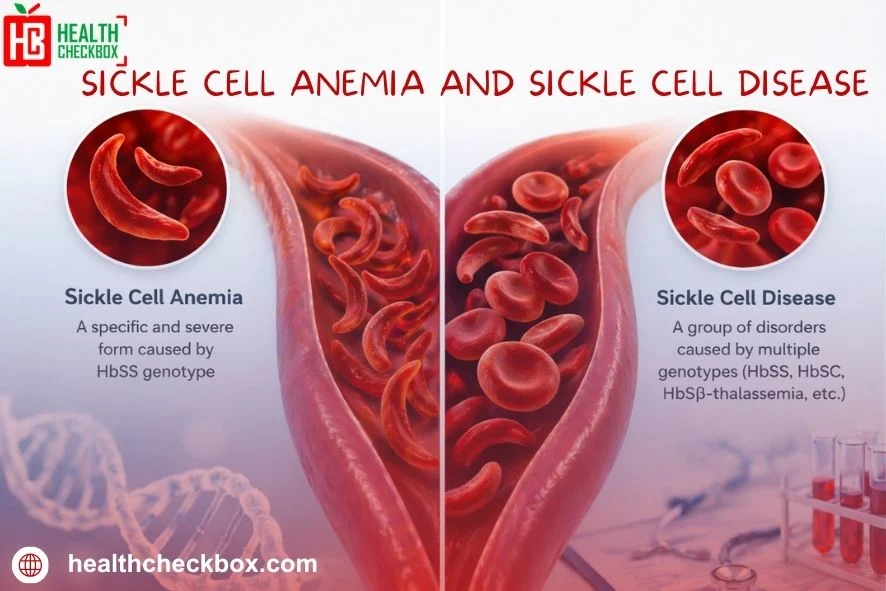
Sickle cell conditions are the most studied inherited blood disorders in the world. They are mostly used in place of each other, but are not exactly the same thing. Sickle Cell Disease refers to a group of genetic disorders which affects the red blood cells. Whereas sickle cell anemia is a serious genetic disorder, which is a type of sickle cell disease. These diseases occur because of the changes in the gene that instructs the body to produce hemoglobin. These disorders are not just theory based, but it also has real implications on the diagnosis and treatment of the patient.
Therefore, doctors use these terms carefully. This helps them to choose the correct treatment, predict the formation of disease, it will take in the future. It also helps them to give correct information to the patient and their family members. Understanding the difference between these two diseases will help to spread better awareness and make a proper plan for the treatment.
What is Sickle Cell Disease?
Sickle cell disease is a group of inherited blood disorders which affects the red blood cells in the body by changing the gene. It changes the normal blood cells into curve like structure. When the blood cells are healthy, they are round and easily deliver oxygen in the body. But when an individual has SCD, then the blood cells’ shape changes by forming a C shape and they do not flow easily in the body. In SCD, red blood cells become sticky and hard. These cells stick in the blood vessels during the blood flow and then slow the speed of blood flow. This is the reason which can create pain and may also lead to serious health problems.
What is Sickle Cell Anemia?
This is a common and serious type of disease. It happens when a child receives two sickle cells one from each parent. It changes Hemoglobin A (HbA) into Hemoglobin S (HbS). These blood cells are hard and sticky which slows down the blood flow in the body. Individuals who have this disease experience more serious symptoms than those with other forms of sickle cell disease. Because most of the blood cells in their body are abnormal, which blocks or slows the flow of blood in the body.
Symptoms: Sickle Cell Disease & Sickle Cell Anemia
Here are the common symptoms of these disorders mentioned.
- Extreme pain in the back, legs, arms, and chest
- Weakness
- Jaundice
- Swelling in the joints
- Painful swelling in hands and feet
- Stroke
- Paleness
- Shortness of breath
- Tiredness
- Pneumonia
Note: Symptoms of sickle cell disease & anemia are the same.
Causes: Sickle Cell Disease & Sickle Cell Anemia
Here are some of the common causes of these disorders mentioned. Take a look at it.
- If a child receives one sickle gene from one parent and a second gene from another parent.
- A child receives the HbS gene from one parent and the beta thalassemia gene from another parent.
- If the disease transfers from generation to generation, then it can also lead to coming generation.
- A child receives the HbS gene from one parent and an abnormal, rare hemoglobin from another parent.
- Replacement of adenine with thymine which replaces glutamic acid with hydrophobic valine.
Note: Causes of sickle cell disease & anemia are similar but sickle cell anemia has a HbSS genotype while sickle cell disease has multiple genotypes.
Sickle Cell Disease & Sickle Cell Anemia
Here are the common factors mentioned related to:
Anemia Level
In Sickle Cell Disease, anemia is caused by the fast destruction of abnormal blood cells. This happens because they have a shorter lifespan than normal cells. The seriousness of anemia varies in patients. It depends on the form of sickle cell disease like HbSS, HbSC, etc. Many patients experience a medium level of symptoms, whereas some experience serious symptoms of this disease. The anemia level generally remains for a longer period of time.This can only increase or decrease depending on the health of a patient.
Sickle Cell Anemia is a serious and long-term hemolytic anemia. The anemia level in Sickle Cell Anemia is very serious and it can remain in the body for a very long time. It becomes worse during infections because the body needs blood to fulfill the proper supply of oxygen.
Hemoglobin Level
In Sickle Cell Disease, hemoglobin levels depend on the type of genetic disorder. Patients who have a less serious type of SCD have almost normal hemoglobin levels. But patients who have a serious type of SCD have mostly abnormal hemoglobin blood cells. If we discuss Sickle Cell Anemia, then it has very low hemoglobin levels which range from 6-9 g/dl. This is considered long-term hemolytic anemia.
Organ Damage
Sickle Cell Disease causes blockages and makes the flow of blood slow in the body which results in organ damage. These blockages reduce the supply of oxygen to tissues which leads to injury with time. This disease mostly affects the spleen, kidney, liver, lungs, and brain.
In Sickle Cell Anemia, abnormal blood cells cause continuous blockage of small blood vessels. Therefore, it is a serious and long-term disease. These blood cells reduce the supply of oxygen and cause many injuries on a regular basis in the tissues.
Prevalence
Sickle Cell Disease is a common genetic health problem that is found all over the world. It is mostly common in India, a few parts of the Mediterranean, Africa, etc. It has many forms, and it affects a large number of people in the world. In India, it is mostly spread in the rural and tribal areas.
Sickle Cell Anemia is less common than the large category of sickle cell disease. It is because it happens only when a child receives two sickled genes, one from each parent. It is the most popular and serious disorder, although it is less widespread.
Note: Sickle Cell Disease is a group of genetic disorders whereas Sickle Cell Anemia is a type of it. That is the reason it does not carry any major differences.
Common Conditions Linked to Sickle Cell Disease & Sickle Cell Anemia
Check out some of the common conditions that are related to both disorders.
Pain Crisis
Pain crisis is the most common problem of sickle cell disease. It occurs when the abnormal blood cells block the small blood vessels. Because of this, blood does not flow easily to the tissue, which leads to extreme pain. The pain occurs commonly in bones, the chest, the abdomen, the arms, and the legs. In Sickle Cell Disease, pain ranges from low to high depending on the form of this disease. It remains in the body for a few hours to some weeks. Whereas, if we discuss Sickle Cell Anemia, then this disease causes extreme pain. The pain during this disorder is not bearable. Sometimes, patients have to be admitted to get relief from this pain. It can lead to life threatening problems. Dehydration, infection, cold temperature, etc, can increase this pain or affect the oxygen levels.
Acute Chest Syndrome
Acute Chest Syndrome is a serious and deadly problem of Sickle Cell Disease. This leads to chest pain, fever, cough, and breathing difficulty which is similar to pneumonia. In Sickle Cell Disease, ACS depends on the type of SCD. It is less in those genetic disorders which are less serious like HbSC, etc. Whereas, in Sickle Cell Anemia, it has the highest incidence rate as compared to others. This genetic disorder has a high risk for recurrence and can increase because of the fat embolism syndrome. Acute Chest Syndrome is the leading cause of hospitalisation and death of many individuals.
Stroke
Stroke is a serious complication of Sickle Cell Disease, which mostly affects children and adults. It occurs when blood which flows to the brain gets blocked because of the abnormal blood cells. This prevents oxygen from reaching the brain tissue, which can lead to brain cell damage or death. In Sickle Cell Disease, stroke may has spread mostly to individuals who are less than 20 and more than 45. Ischemic stroke is considered the most common type of stroke, especially in children. Whereas, if we talk about Sickle Cell Anemia, then this stroke is common in this disorder as well but it happens more in adults. Stroke can affect long term health and also leads to paralysis, learning disabilities, etc.
Vision Problems
Vision Problems is the common problems of Sickle Cell Disease. It mainly happens because of damage to the blood vessels of the eyes. In this, the most common condition is Sickle Cell Retinopathy which affects the retina. Sickled blood cells block the small blood vessels in the retina. This leads to oxygen reduction supply and damages the tissue. In Sickle Cell Disease, individuals have a higher risk of the thinning of the center of the eye and long-term vision issues. Individuals may have blurred eyesight during this disorder. Whereas, in Sickle Cell Anemia, patients have less thinning of the center of the eye. This is because of a vitreous hemorrhage. There are two types of Sickle Cell Retinopathy:
- Non-Proliferative: In this, minor blood vessel changes.
- Proliferative: This is the most serious disorder in which an abnormal vessel starts growing, and it can create a risk of retinal detachment.
Delayed Growth
Delayed growth is common, especially in children. Children who have Sickle Cell Anemia mostly face delayed growth in their bodies. These conditions affect both physical growth and puberty. Puberty comes late in those children who are suffering from this disease by around one or two years. They can face delays in height and weight growth, skeletal growth, etc than normal children. Because sickle cells do not properly supply oxygen to the body. They reduce the body’s ability to grow and develop.
Diagnosis of Sickle Cell Anemia and Sickle Cell Disease
Doctors mainly do blood tests on an individual who is dealing with Sickle Cell Disease. They take blood from the vein in the arm or through finger. In adults, they take blood from the arm’s vein and in children they take blood from the finger. After the collection of a blood sample, they sent it to the laboratory to check the type of Sickle Cell present in the blood. If an individual is affected with Sickle Cell Anemia, there are other tests also. They may perform:
- MRI and CT scans
- Abdominal Ultrasound
- Chest X-rays
- Transcranial Doppler Ultrasound
- Physical Examination
- Urine Tests
Medical Treatment of Sickle Cell Disease & Sickle Cell Anemia
There are many types by which Sickle Cell Disease and Anemia can be controlled. Here are some of the medicines and therapies given which may help in reducing symptoms and risks of serious problems.
Medications
You may use these medicines to manage symptoms and reduce complications.
- Hydroxyurea: This medicine helps to reduce the Sickle cell in the blood and symptoms of the disease. In Adults, this medicine reduces the symptoms, blood transfusions, and hospitalizations, and improves anemia. etc. In Children, it helps to prevent pain and hospital stays. This is helpful for infants in reducing the pain crisis.
- L-glutamine: This is mostly recommended for children and adults which helps in pain reduction. It also reduces the chances of acute chest syndrome. This medicine is in the form of powder which is generally taken by mixing in the water or food.
- Crizanlizumab-tmca: Doctors recommend this medicine only to those patients who are more than 15 years old. This medicine helps to prevent blockage of the blood vessels. Doctors insert an intravenous line in the vein of the patient to give this medicine.
- Antibiotics: Penicillin is one of the best antibiotics, which helps to reduce the chances of any serious infection. Adults and children can both take this antibiotic.
Blood & Bone Marrow Transplants
This is an effective treatment for a few patients only, who have Sickle Cell Disease. If the donor and the patient have the same blood then the chances of a successful transplant increase. This transplant is mostly beneficial for children who have the chances of strokes, pain crises, etc. For adults, if the disease is not being managed even with the medicines, then only doctors perform blood and bone marrow transplants. Because it is considered a little risky in the case of adults.
Gene Therapies
Medical experts perform gene therapy for the treatment of this disease. This is a one-time treatment which is mainly performed to destroy the disease. It mainly focus to treat that genetic disorder by which Sickle cell disease occurs. In this therapy, doctors use the patient’s own blood stem cells for the treatment. This reduces the need for a donor and the risks of graft versus host disease. In this therapy, doctors either add a new gene or change the existing gene. This increases the growth of healthy hemoglobin which prevents the blockage of blood vessels due to sickle cells. In addition, this therapy also reduces the long-term medical care, hospital stays, blood transfusions, etc.
When to See a Doctor?
If an individual feels the symptoms of Sickle Cell Disease or Anemia, they should visit their doctor soon. Fever can be the first sign of this disease, and it can become complex if not treated. Children who have sickle cell anemia have more risk of infections. Check out the common signs, after which they should visit their doctor.
- If one feels weakness in the arms, legs, and face.
- One-sided paralysis
- Difficulty in walking
- Vision Problems
- High fever
- Breathing Difficulty
- Chest Pain
Self-Care Tips for Patients
Here are a few ways which can help patients reduce the symptoms of the disease.
- Eat healthy foods like fruits, vegetables, pulses, etc.
- Drink eight glasses of water daily.
- Do not go outside in too much heat or cold weather. This can increase the pain crisis.
- Do exercise regularly. Do not engage in overexercising. Consult with your doctor about which exercise is beneficial for you.
- Take medicines to control the symptoms, only after the doctor’s confirmation.
- Keep away from Smoking and Drinking.
- Visit your doctor for regular check ups.
Conclusion
Sickle Cell Disease is a group of genetic disorders which affects the red blood cells. Whereas Sickle Cell Anemia is just a serious type of Sickle Cell Disease. The duration of Sickle Cell Disease depends on its form. But, if we see Sickle Cell Anemia’s duration only, then this remains for a longer period of time in the body. This disease does not allow a proper flow of oxygen in the body that can create serious problems. Knowing the proper difference between these two disorders, will help one to spread better awareness, clear communication, and effective treatment for the affected individual.
Note: In addition, this blog is only meant for gaining proper knowledge about these two disorders. Consultation with your healthcare expert is important before jumping into any decision.