
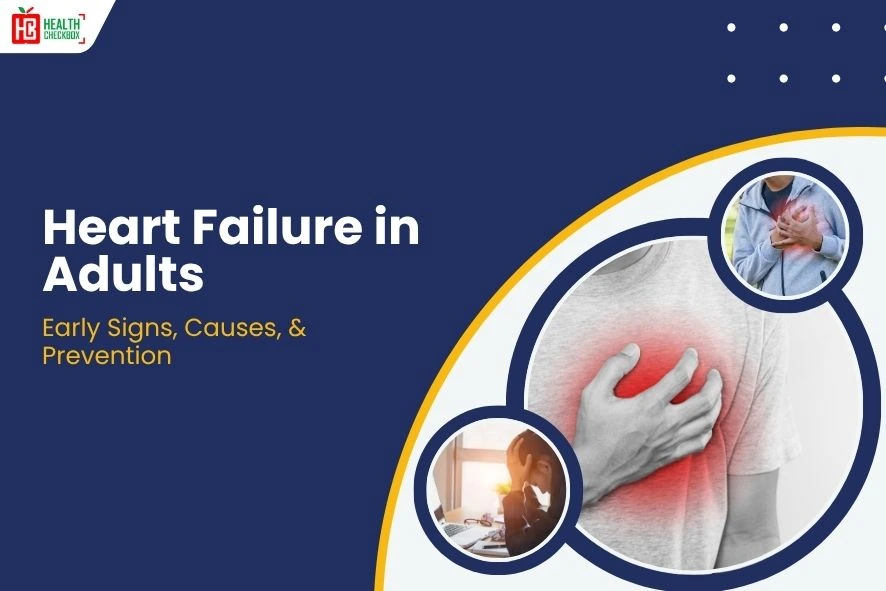
Heart failure is a prolonged condition when the heart is unable to pump the required blood to different parts of the body. Accumulation of fat, bad cholesterol, and other harmful substances leads to blockage in the coronary artery. It is crucial to find out the initial signs of cardiac failure, so that timely interventions and effective treatment or preventive tips are taken in advance. In this blog, we will cover the early warning signs of heart failure in adults, including its causes, symptoms, risks, and preventive tips.
Heart failure affects approximately 64 million people worldwide and is one of the most common reasons for hospitalisation in adults over 65. In addition, some factors that lead to this adverse condition include:
- Coronary artery disease
- High blood pressure
- Previous heart attacks
Early Warning Signs of Heart Failure in Adults
Existing signs of a heart attack are not difficult to identify. Although these indications can be discovered early, they can lead to an effective treatment and better outcome. Common early signs of heart failure in adults include:
Shortness of Breath
Dyspnea is the medical term for this condition. When lungs are devoid of air, this condition develops. You may feel a tight chest, or you need more air to breathe. It can happen during physical activity or even at rest. Lying flat can worsen this symptom, known as orthopnea.
Weakness and Fatigue
Shortness of breath and tiredness are frequent symptoms of adult heart failure, usually due to decreased blood flow. They can increase with exertion and can indicate the heart isn’t functioning properly.
Swelling in the Legs, Ankles, or Feet
Edema, which causes fluid retention in the tissue, particularly in the feet, legs, and ankles, is common in pregnant women and people over 65. The heart’s inability to pump blood effectively can cause noticeable swelling.
Rapid or Irregular Heartbeat
The heart may beat faster or irregularly, a condition called arrhythmia. In heart failure, arrhythmias occur because damaged or overstretched heart muscle disrupts the electrical pathways that coordinate heartbeat. The chest, neck, or throat is the area where it is felt.
Persistent Cough or Wheezing
Fluid accumulation in the lungs can lead to coughing or wheezing, especially when lying down.
Note: The Heart Failure Society of America (HFSA) has developed a handy tool by the acronym FACES.
- F refer Fatigue: When the heart is unable to pump enough oxygen-rich blood to meet the body’s energy needs, a general feeling of tiredness or fatigue develops in the body.
- A refer Activity Limitation: Patients of heart attack find it difficult to carry on with their normal activities. It is because they become easily tired and feel short of breath.
- C refer Congestion: Fluid accumulates in the lungs. And can show symptoms of cough, wheeze, and breathing issues.
- E refer to Edema or Ankle Swelling: When the heart doesn’t have enough pumping power to force blood back up from the lower extremities, fluid can collect in the ankles, legs, thighs, and abdomen. Excess fluid can also cause rapid weight gain.
- S refer Shortness of Breath: Fluid in the lungs makes it more difficult for carbon dioxide in used blood to be exchanged for fresh oxygen. When lying down, it may be harder to breathe because gravity allows fluid from below the lungs to travel up the torso.
Types of Stages in Heart Failure
Depending on the severity and presence of symptoms, cardiac failure is classified into 4 types:
- Stage A: People are at risk of cardiac arrest but do not have any visible symptoms.
- Stage B: Structural heart disease present (reduced ejection fraction, previous heart attack), but no heart failure symptoms yet.
- Stage C: People with present or previous cardiac failure symptoms.
- Stage D: People with heart failure symptoms. And that interferes with day-to-day activities or leads to repeated hospitalizations.
Causes of CHF(Congestive Heart Failure) in Young/Adults
Several disorders can cause cardiac failure by injuring the muscles of the heart. In other words, these include:
- Coronary artery disease and/or heart attack
- Congenital heart disease
- Cardiomyopathy (genetic or viral)
- Diabetes
- High blood pressure (hypertension)
- Arrhythmia
- Kidney disease
- A body mass index (BMI) higher than 30
- Tobacco and recreational drug use
- Use of alcohol
- Medications such as cancer drugs (chemotherapy)
Common Heart Failure Symptoms
Congestive heart failure symptoms include:
- Shortness of breath
- Chest pain
- Heart palpitations
- Tiredness when you’re active
- Swelling in your ankles, legs, and abdomen
- Weight gain
- Need to urinate while resting at night
- A dry, hacking cough
Risk Factors for Congestive Heart Failure
Certain factors increase the risk of developing cardiac failure. For instance, some of which are given below:
- People who are 65 years old and older.
- Using tobacco products, cocaine, or alcohol.
- Having an inactive or sedentary lifestyle.
- Eating foods that have a lot of salt and fat.
- Uncontrolled high blood pressure (hypertension)
- Having coronary artery disease.
- Having a heart attack.
- A family history of congestive heart failure.
Preventive Tips for Heart Health
- Control Blood Pressure: Target below 130/80 mmHg. Monitor regularly and take prescribed medications consistently.
- Manage Cholesterol: Follow a low-saturated-fat diet; take prescribed statins if recommended by your cardiologist.
- Maintain a Healthy Weight: A BMI over 30 significantly increases cardiac failure risk. Even modest weight loss (5–10%) reduces cardiac strain.
- Exercise Regularly: Aim for 150 minutes of moderate aerobic activity per week, walking, swimming, or cycling. Consult your doctor before beginning exercise if you have existing heart disease.
- Quit Smoking: Tobacco use is one of the most modifiable cardiovascular risk factors. Cessation reduces cardiac failure risk within months.
- Limit Alcohol: No more than 1–2 standard drinks per day; heavy alcohol use is a direct cause of alcoholic cardiomyopathy.
- Manage Diabetes: Keep blood glucose well-controlled. Diabetes is a major independent risk factor for cardiac failure.
- Regular Cardiac Check-ups: People over 40 with any of the above risk factors should have annual cardiac screening including ECG and echocardiogram where indicated.
Conclusion
Cardiac failure is a critical ailment and requires proactive initial steps for effective treatment. Individuals should be familiar with the risks and apply preventive measures. If you or someone you know is suffering symptoms of cardiac failure, get in touch with a healthcare expert right away. Early intervention can significantly improve outcomes and quality of life.
Disclaimer: Symptoms of heart failure can vary from person to person and may resemble other medical conditions. Seek immediate medical attention if you experience severe symptoms such as chest pain, difficulty breathing, or sudden swelling.