

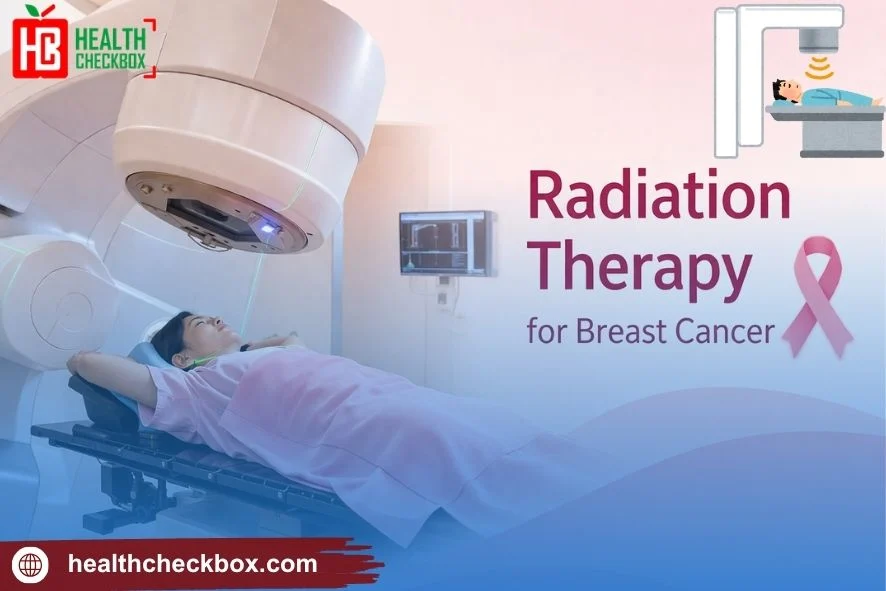
Radiation therapy plays an important role in the management of breast cancer. It also improves the overall survival of a patient. Breast cancer is one of the most common cancers in women among the different types of cancer all over the world. There are many treatments available for breast cancer and radiation therapy is one of them. The main role of radiation therapy for breast cancer is to destroy the remaining cancer cells after surgery. Apart from its benefits, there are some risks of radiation therapy as well. Radiation therapy has become easier and more accessible to destroy cancer cells because of the advanced technology. This results in less damage to the healthy parts of the body. Learn more about radiation therapy in the content below.
What is Radiation Therapy?
Radiation therapy is used to damage the DNA of cancer cells of the breast with the help of high power radiation of X-rays. Surgery, chemotherapy, hormone therapy, mastectomy, lumpectomy, etc, take place in the treatment of breast cancer, and radiation therapy is one of those. The main role of radiation therapy is to kill the cancer cells which remains in the breast after the surgery.
Cancer cells in the breast grow and increase faster than normal cells. In radiation therapy, oncologists damage the DNA inside these cells with the help of radiation. This helps to prevent the cancer cells from increasing in number. Oncologists mostly perform radiation therapy after surgery for breast cancer. Oncologists perform this therapy in small doses over several weeks. They give a little amount of dose to the patient which helps healthy tissue to recover with time and damages the cancer cells. Some of the advanced techniques like intensity modulated radiation therapy, image guided radiation therapy, etc, helps to deliver radiation more effectively.
Types of Radiation Therapy for Breast Cancer
There are different types of radiation therapy for breast cancer treatment available. Let’s discuss below.
External Beam Radiation Therapy
External Beam radiation therapy is performed to damage the cancer cells in the breast with the help of X-rays, protons, etc. This process is painless and safe for the patient. During this therapy, a linear accelerator machine sends the radiation to the cancer affected area of the breast. This therapy is usually done after the lumpectomy or mastectomy surgery to damage the remaining cells left in the breast. This results in very low chances of the recurrence of cancer cells. This treatment generally takes up to six weeks, which depends on treatment plan and stage of cancer.
Intraoperative Radiation Therapy
It is an advanced type of therapy in the treatment of breast cancer. Doctors use this therapy after the lumpectomy surgery. In this therapy, a radiation oncologist sends a high beam of radiation directly to the tumor bed, only once. This is done immediately after the removal of the tumor from the breast. This process takes almost twenty to forty minutes before the closure of the surgical area. Doctors advised this therapy only for those patients who are at low risk or at the first stage of breast cancer.
Why is Radiation Therapy Done?
Radiation therapy is done to kill the cancer cells after surgery. This reduces the risk of the recurrence of cancer cells in the breast area.
Radiation after lumpectomy
Lumpectomy surgery is a breast conserving surgery which is done to remove the cancer cells from the breast. The main role of this surgery is to take out as much of the tumor as possible from the breast. Even after doctors remove the complete tumor from the breast, small cancer cells are left in the surrounding area. Therefore, radiation therapy is used to damage the remaining cancer cells in that area and reduce the maximum chance of regrowth of these cells. It also improves the survival of the patient for a longer period of time. In some cases, when the risk of recurrence is generally low, doctors may suggest avoiding the radiation therapy.
Radiation after Mastectomy
In mastectomy surgery, oncologists remove all the breast tissue for the treatment of breast cancer. Doctors suggest this surgery only to those patients who are at high risk and have a higher chance of recurrence of cancer cells. Radiation therapy helps to reduce the chances of the recurrence of cancer cells by destroying remaining cancer cells in the breast. It mainly focuses on the chest wall or the surrounding lymph node. Radiation therapy damages the tumors, cancer cells, multiple lymph nodes, and surgical margins in these areas.
Advanced or Metastatic Breast Cancer
Oncologists mainly use radiation therapy in advanced or metastatic breast cancer to reduce the effects of breast cancer rather than removing it completely. The main role of this therapy is to reduce symptoms, improve life quality, and prevent issues caused by tumors. A common indication of this treatment is bone metastases, in which cancer cells spread from the breast to the bones. This can cause extreme pain, fractures, etc, like conditions. Radiation therapy helps to provide relief from this pain and helps to reduce the risk of fractures. Similarly, radiation therapy during this phase helps in several ways to reduce the risk of breast cancer.
Treatment Process of Radiation Therapy for Breast Cancer
Radiation therapy is a common part of the treatment of breast cancer. Doctors perform this therapy mainly after the surgery. Learn more about the treatment process below.
- Consultation: In the beginning phase, the oncologist diagnoses their patient, suggests the surgery like lumpectomy or mastectomy, and reviews the medical reports. They also check whether there is a need for radiation therapy or not. In the consulting phase, doctors also discuss the benefits, risks, and schedule of radiation therapy for breast cancer.
- Simulation: In this stage, doctors conduct a CT scan to locate the affected area of treatment. They mark that area for their reference. This stage helps to focus the area in which radiation therapy takes place.
- Treatment Planning: Radiation oncologist prepares a proper plan in which they decide the dose quantity, angles and number of sessions required for the therapy of a patient.
- Radiation Treatment Sessions: This phase usually starts after one to three weeks of simulation. In this phase, oncologists conduct this therapy session five days a week, and this lasts for three to six weeks. Every session is about 15-20 minutes.
Cost of Radiation Therapy for Breast Cancer In India
The average cost of radiation therapy for breast cancer depends on the number of sessions, location, oncologist’s experience, etc. It generally ranges from INR 1,00,000 to INR 3,00,000. Below is the detailed breakdown of the different types of radiation therapy.
| Type of Radiation Therapy | Average Cost (INR)- PER SESSION |
| External Beam Radiation Therapy | INR 5000 – 20,000 |
| 3D-CRT | INR 5000 – 15000 |
| Intensity Modulated Radiation Therapy | INR 7000 – 20,000 |
| VMAT/Tomotherapy | INR 10,000 – 20,000 |
| Stereotactic body radiation therapy | INR 20,000 – 40,000 |
| Proton Therapy | INR 1,00,000 – 2,50,000 |
| Brachytherapy | INR 15,000 – 40,000 |
Benefits of Radiation Therapy
Radiation therapy is the most effective way after surgery to treat the breast. Here are a few benefits mentioned below.
- Radiation therapy almost reduces the risk of recurrence of cancer cells in the breast.
- Survival rate increases with the help of radiotherapy.
- Radiation therapy damages the micro cancer cells which remains after surgery.
- This therapy helps to manage the pain caused by bone metastasis.
- It reduces the risk of bone fractures.
- This therapy helps to reduce the size of the tumor in the breast.
- Radiation therapy is a localized treatment and may be combined with chemotherapy when needed. This helps patients to join their daily life routine normally.
- In high risk cases, this therapy helps in the reduction of pain and bleeding.
- Studies show that radiation therapy has helped to decrease the number of deaths and improves survival of breast cancer patients.
Risks of Radiation Therapy for Breast Cancer
Apart from the benefits, radiation therapy consists of risks as well. You can check a few common risks below.
Short Term Risks:
- Redness and itching in the skin.
- Feeling of tiredness regularly.
- Swelling near the breast.
- Hair Loss in the armpit.
- Difficulty in movement of the shoulder.
- Not feeling like eating.
Long Term Risks:
- Breast tissue becomes hard.
- The size of breast may decrease.
- Shortness of breath.
- Appearance of broken blood vessels on the skin.
- Tanning of skin remain as compared to skin around your chest, inner arm, etc.
- Radiation to the left breast may slightly increase the risk of heart related disease, but modern technology reduces these chances.
When to See a Doctor?
After radiation therapy, regular follow ups are required. Patients visit their doctors for their regular check-up. If you experience any of the mentioned symptoms, you must consult with your oncologists as soon as possible.
- Pain is happening on a daily basis.
- Occurrence of swelling, rashes, bleeding, etc, near the breast area.
- Sudden Weight Loss
- If you are experiencing vomiting, diarrhea, constipation, etc, like issues.
- Fever, Cough
Patient Care & Support
Patients feel tenderness, itchiness, and pain near the treated area because of the radiation therapy. It also affects the diet and makes them weak. Here are some tips which may help after treatment.
- Wear loose cotton clothes because tight fitting clothes can increase the pain.
- Wash skin with gentle soap and lukewarm water. Apply creams or lotion on the recommendation of your doctor.
- Take rest
- Take a proper diet like fruits, vegetables, pulses, etc.
- Walk daily for half an hour.
Conclusion
Radiation therapy for breast cancer is an important part of treatment after surgery. This has become easy with the help of advanced technology and proper treatment planning which improves the survival rates. According to the data, this therapy almost reduces the chances of recurrence of cancer cells. There are many benefits of radiation therapy, but with this, it also contains a few risks. If you want to learn more about radiation therapy, you can read this blog. This will help you to understand more about it.
Note: This content is only for informational purposes. So, before proceeding to any option, consult with a doctor first for effective results.