

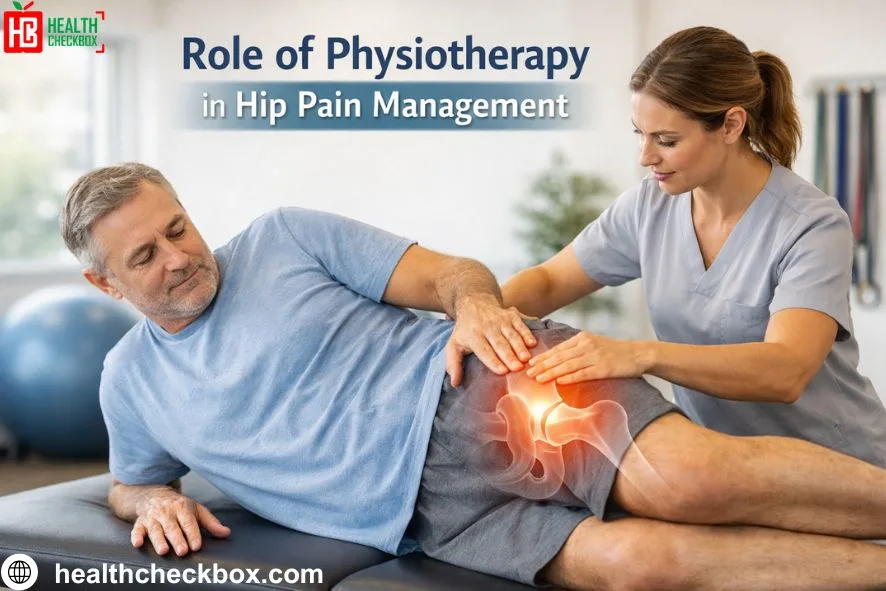
The role of physiotherapy in hip pain management plays a very vital role in improving and diagnosing the root problem. Physiotherapy is one of the best non-surgical alternatives to hip treatment, where exercises are done to decrease the pain and discomfort. There are various techniques of physiotherapy i.e manual therapy, exercise management and various other techniques. With the help of physiotherapy, we can lead a quality of life and low chances of getting surgery. In this blog, we will be covering all the information related to physiotherapy and exercises that help in hip management.
What is Hip Pain?
Hip pain is a pain or a discomfort that you feel around your hips. Hip pain may be felt in the groin, buttock, outer thigh, or may radiate down the leg depending on the underlying cause. It can occur due to arthritis, fracture, sprain and various other problems. To fix your hip pain problem there are various exercises and physiotherapy specifically made for the causes.
Hip Pain can impact your daily activities and affect your overall quality of life. If you recognize these causes like reduced mobility, sleep disturbance due to pain and not being able to do any physical activities. Addressing these changes and starting your early physiotherapy session can reduce these problems and improve the quality of life.
Causes of Hip Pain
These are various causes of hip pain, and some of them are listed below:
- Arthritis: It is a type of a condition where the flexible tissue at the end of the bones wears down, and leads to breakdown of cartilage that cushions your hip bones. In this, we also feel stiffness and range of motion can be affected.
- Hip muscle Strain: Same repeated activities can cause strain on the muscles, tendons and ligaments that support the hips. These can eventually cause pain in the hip area.
- Hip Bone Fracture: The hip bone is one of the strongest bones in the human body. With ongoing health, the bones become weak and more prone to breaking. A hip fracture can happen to anyone due to any trauma or any severe falls.
- Labral tear: This tear causes damage to tissue and cartilage in the hip socket. It mainly happens to athletes who perform repetitive twisting movements.
- Avascular Necrosis: Loss of blood supply to the femoral head leading to bone tissue death and joint collapse. This is usually caused by hip fracture or dislocation.
What is Physiotherapy?
Physiotherapy is a therapy where we improve the body by performing physical activities. It is common to get physiotherapy after having hip replacement surgery. The duration of the physiotherapy completely depends on which surgery you had. Physiotherapy treats various problems like sports injuries, back pain, hip pain and chronic pain. It is an approach that focuses on patients’ mental, social and physical health.
Benefits of Physiotherapy
- Less Pain: Through various physiotherapy exercises, it can decrease the pain and promote healing.
- Improved Mobility: Through selected exercises, physiotherapy helps increase the flexibility and overall mobility for doing day-to-day activities.
- Stress Reduction: It helps reduce stress levels and promote the mental well being of mind and physical health.
- Posture Correction: With the help of physical therapy, we can correct our poor posture through exercises.
- Custom exercise Plan: Physiotherapists can make a plan which suits the patient’s needs, ensuring targeted and effective treatments.
Why Physiotherapy is Important for Hip Pain?
Physiotherapy is important for the hip pain as it helps to get relief from the pain. Stretching the muscles and exercises are done in order to get relief from the recurring pain. The importance is:
- Pain Relief: Physiotherapists use a variety of exercises to relieve the pain, like manual therapy and electrotherapy. Modalities like TENS help to reduce inflammation and improve blood flow which help to improve the hip pain.
- Stretching and Mobility: The common cause of hip pain is to reduce range of motion and stiffness in the hip area. These exercises are designed in such a way that they stretch and strengthen the muscles around the hip.
- Personalized Exercise Program: Physiotherapist design and alter the exercise programs according to the patient’s needs. These personalizations contain a combination of stretching, strengthening and low impact exercise that leads to enhancing overall hip functionality.
- Manual Therapy: This therapy includes hands-on techniques that physiotherapists use like soft-tissue massage, joint mobilization and improve muscle tension.
- Posture training: Irregular posture can increase pain. A physiotherapist helps maintain the correct posture and patterns which helps to minimize the pain.
What are the Techniques of Physiotherapy?
These are the techniques of physiotherapy:
- Exercises: Some sets of exercises which are specifically developed by the therapist that involve stretching, strengthening muscles and low impact exercise. Which can help us to maintain the balance and helps with full physical functions.
- Acupuncture: It is one of the therapies which reduces pain. In this, fine needles are inserted into the skin at some specific points in your body. Acupuncture may help reduce pain by stimulating nerves and promoting the release of natural pain-relieving chemicals in the body.
- Taping: This technique is often used to support the injuries to the joint. It helps to improve posture and movement while doing exercise or playing sports. Taping helps to reduce the inflammation and gives a relief from the injury for short-period of time.
- Hydrotherapy: This therapy is done in the warm waters and it helps to relax your joints and muscles and relieves you from pain. Water helps to move more without causing any pain.
- Massage: In this, physiotherapists use their hand to apply pressure to the parts of your body. It involves therapist tapping, pressing your skin to move your muscles and soft tissues. Massage can improve mobility and lose the muscles that may have become tight and it also helps reduce pain and swelling.
Lifestyle Modification and Ergonomic Advice
Lifestyle modification can significantly impact our overall hip health by making the required changes and reducing stress on the hips.
- Weight Management: Try to maintain a healthy weight as it helps to reduce the stress on the hip joints.
- Ergonomic Changes: Modify your workspace in such a way that helps to reduce the stress on the hip joints.
- Maintaining Good Posture: Good posture helps weight to distribute evenly and it leads to reduced pain in the hips.
- Footwear Choice: Wear only those shoes which helps to reduce the impact on the hips.
When to Consider Advanced Medical Care?
If the Home-remedies and self care are not working anymore or failed to relieve you from pain. Then it’s time to make an appointment to go and consult the doctor.
- Pain occurs due to an accident or a fall.
- Popping noise is heard when you have an injury.
- Severe Pain in hip.
- Cannot bear weight on your leg.
- Swelling and redness are there at your hips.
- Fever along with hip pain.
Treatment options are different for every symptom. Physical therapies, medications and lifestyle modification will help and prevent hip pain.
Conclusion
In this blog, we have mentioned all the information about the role of physiotherapy in hip pain management. There are various causes mentioned for hip pain like arthritis, hip bone fracture and many more. For these symptoms, physiotherapy is there to help, as it helps to stretch and strengthen the muscles with the help of exercises. Various techniques are used like Taping, Hydrotherapy, Massages are there which helps to reduce the pain. Lifestyle modification is a must for patients so that they can lead a happy and healthy life.