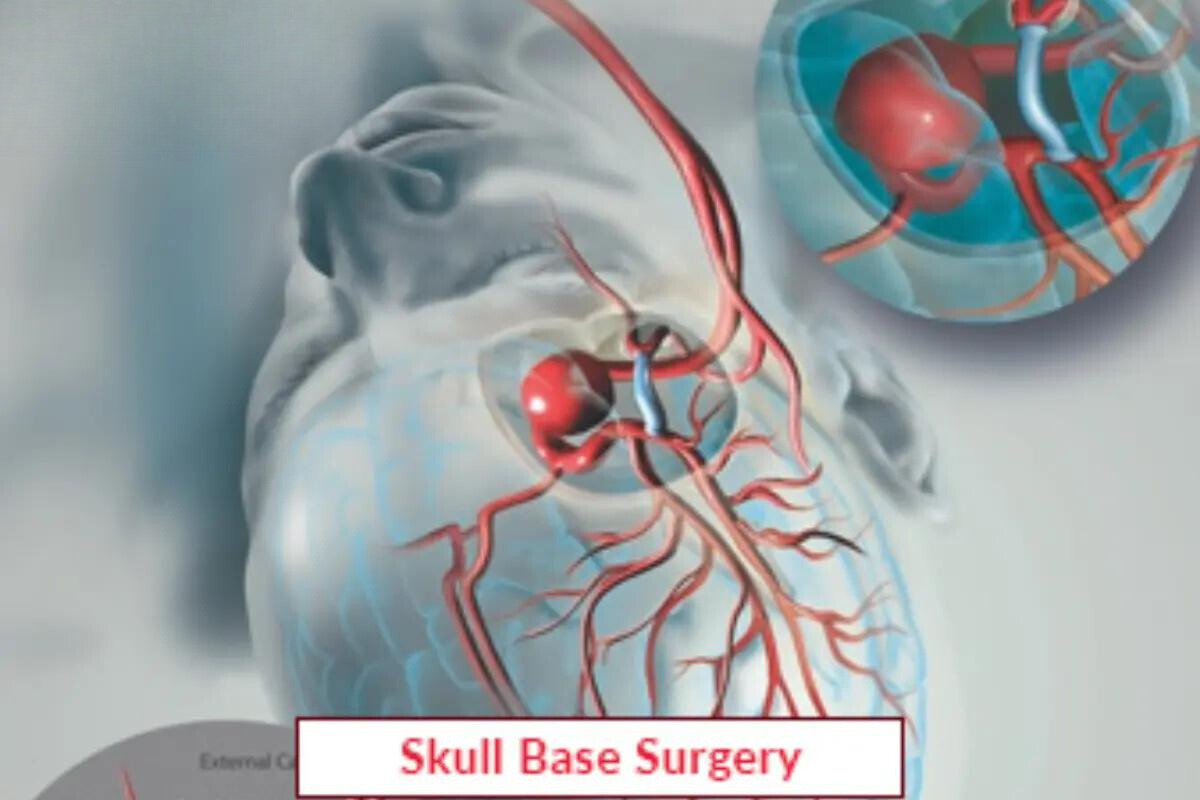





Skull base surgery is a less invasive process in which abnormalities and growth in the area of the skull base are treated. It is followed by evaluating, diagnosing, and treating conditions at the base of the skull. This helps to remove cancerous and noncancerous growth in the skull. This process is also called otolaryngology, which involves the treatment of the following abnormalities on the underside of the brain and the skull base. It is a complex procedure that requires a team of doctors. Like an ENT specialist, a neurosurgeon, radiologist, and plastic surgeon.
Types of Surgery
It is of two types and is given below:
- Open Skull Base Surgery: It is a traditional way in which a small cut is made in the skull and the fascia area. Some parts of bone are required to be removed. It is done with the help of advanced imagining.
- Endoscopic Skull Base Surgery: It is a less invasive process which is done by making a small opening inside the nose. Now the surgeon inserts an endoscope to remove a growth. Then a radiologist ensures that the growth is removed. It is confirmed by taking pictures through MRI on the computer screen.
What Conditions Can be Treated?
There are various medical conditions that can be treated with the skull base procedure. These are mentioned below:
- Pituitary tumors
- Slow-growth tumor at the base of the skull, chordomas
- Benign tumor grow near the pituitary gland
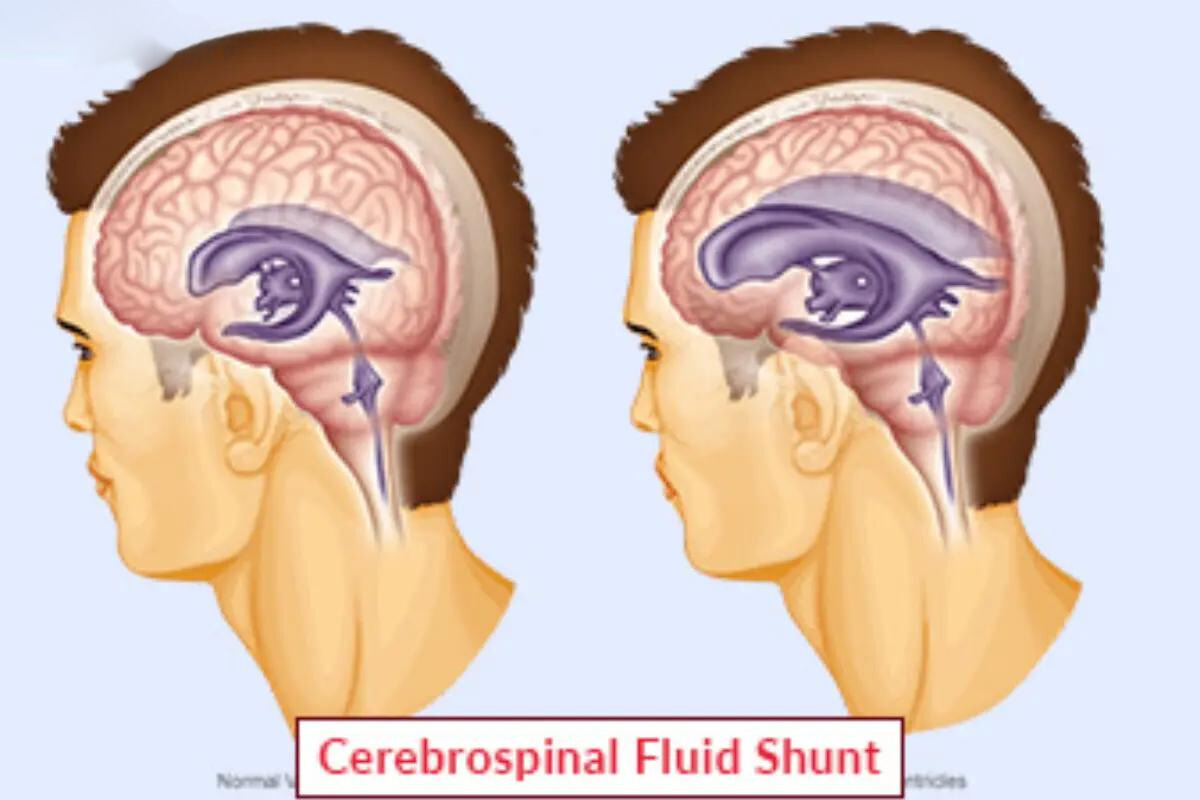
- Leakage of the cerebrospinal fluid fistulas
- Development of cysts since birth
- When veins and arteries get connected to each other in abnormal way.
- The bones of an infant’s skull get fused in the early stage. Such conditions cause problems with the shape of the skull and brain growth.
- Extreme nerve pain on one side of pain, trigeminal neuralgia.
- Infection due to growth
Procedure of Skull Base Surgery
Its treatment can be done by the following protocol:
Diagnosis for this Surgery
It is the first step before starting the process. The diagnosis of any abnormalities is detected on the basis of your physical examination and symptoms.
- An endoscope is inserted into the nose and sinuses, and then a small piece of growth is taken from the skull. Then it is observed under a microscope.
- It is very important to create pictures of the skull to see any growth. It is done by using PET, MRI, and CT scans.
- There are some other tests in which other parts of the body are scanned. Even nerves, hearing, muscle activity, vision, balance, and hormone levels are checked.
Treatment Options
For the treatment, it is required to identify abnormalities and type of growth, which is done by above mentioned tests. Apart from endoscopic and open skull base surgery, other treatment options are available. These are as mentioned below:
- Radiation Therapy: When the growth in the skull base cannot be removed entirely, then the X-ray treatment is followed.
- Proton Beam Therapy: It is another form of radiation therapy that is designed for tumors.
- Particle Therapy: This process has the least after effects in which high-energy particles are used. It is the latest form of radiotherapy in which carbon-ion radiotherapy is its form.
- Endocrine Therapy: As the name suggests, medications are used to maintain the level of hormones.
- Chemotherapy: In this process, the growth which is caused by cancer is halted by using some particular medicines.
- Immunotherapy: It stimulates your immune system to target and remove tumor cells.
- Radiosurgery: It is a special type of radiation therapy. In this procedure, the growth in the skull is targeted by using specific ionizing radiation. It is also called gamma knife radiosurgery, which gives specific, powerful, and blade-free options. It is mainly used to treat serious brain disorders and tumors.
Our Other Services
Latest Health Tips
Can Immunotherapy Cure Stage 4 Lung Cancer?
Early Signs of Cervical Cancer
Foods that Kill Cancer: Leafy Vegetables, Grains, & More
What Stage of Cancer is Immunotherapy Used For?
Which is Worse for Cancer, Sugar or Alcohol?
Vaccines That Prevent Cancer
What Kills Cancer Cells in the Body Naturally?
5 Early Warning Signs of Bone Cancer
Submit Your Enquiry
Testimonials