

IVF has become a glimmer of hope for couples who are unable to have a kid naturally. It’s a journey filled with optimism, tenacity, and plenty of uncertainty. Pursuing it demands a tremendous expenditure of energy, patience, time, and money. Among this ambiguity, a very crucial issue arises: how many IVF cycles are needed to get pregnant?
This may vary from person to person as it may rely on numerous factors. Studies have shown that the first cycle has a lower success rate than the third and fourth cycle. Whereas the success rate increases to just over 65% by the sixth cycle, but it depends on the patient’s age. However, it takes between four and six cycles, but 4-6 cycles are not mandatory for all women. In this article, we will discuss how many IVF cycles are required to get pregnant, Factors and lifestyle choices for success.
What is IVF and Its Process?
IVF (In Vitro Fertilization) is the process where eggs are retrieved from the ovaries and fertilised in the lab. An IVF cycle is one complete round of treatment. A single IVF cycle involves several processes which are.
- Ovarian Stimulation: In which hormonal drugs are injected to the patient to stimulate the ovaries which makes them produce multiple eggs.
- Egg Retrieval: After the ovarian stimulation eggs are removed from the ovaries.
- Fertilization: The eggs are then artificially fertilised in the lab using male sperms.
- Mariculture Embryo: The fertilised egg is developed in the lab for several days under a strictly controlled conditions ensuring the egg is developed properly.
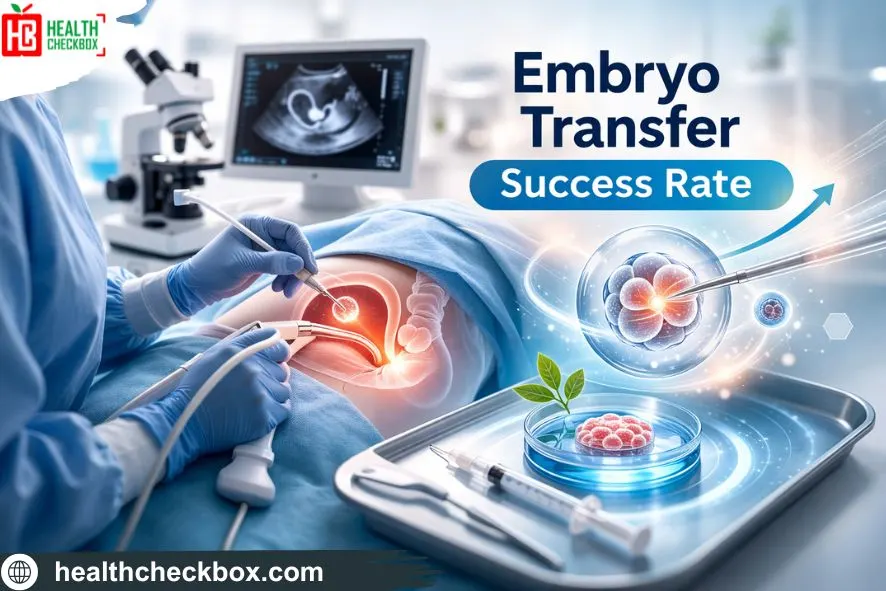
- Embryo Transfer: In embryo transfer, one or more developed eggs are placed in the womb.
- Pregnancy Test: In two weeks the pregnancy test is conducted.
How Many IVF Cycles Are Needed to Get Pregnant?
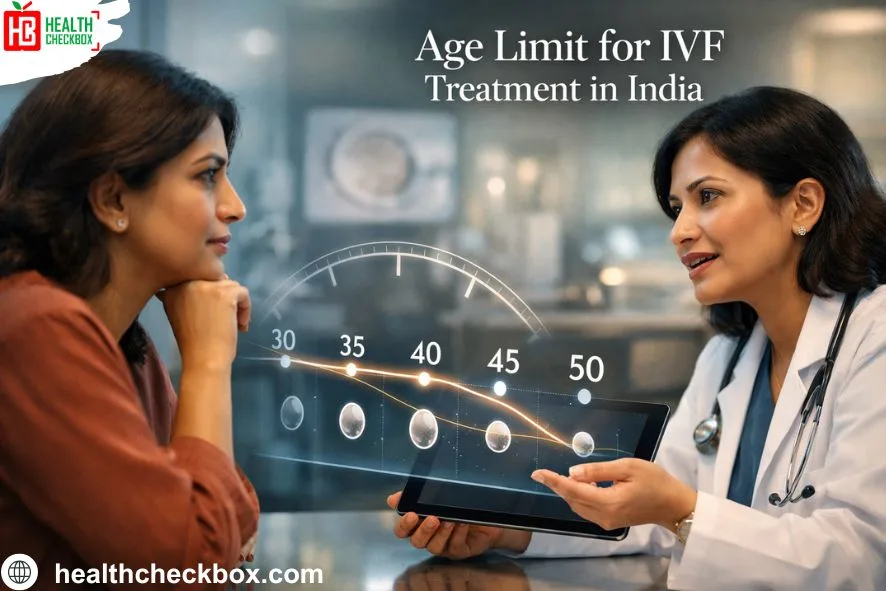
Many people may conceive in one to three IVF cycles, but a small number of people may require more attempts when health and age factors are taken into account. However, you should be aware that there is no set number of IVF cycles needed to get pregnant. There are numerous factors to list, but the odds of success grow with the number of cycles completed. Even if the medical sector advances on a daily basis. IVF has become a popular treatment for couples who have been trying for a child for a long time. We have recognized that the age of the women has a significant impact on the outcome of the IVF procedure.
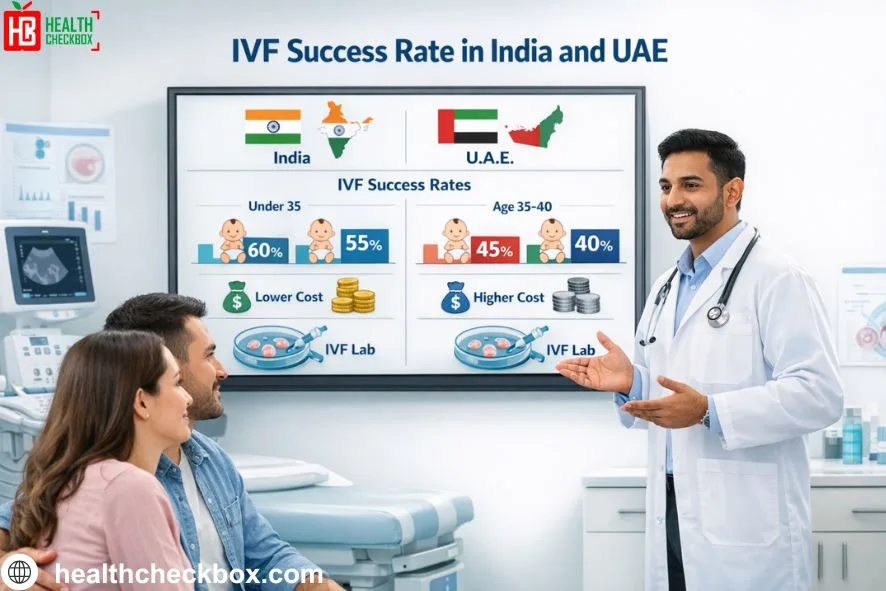
According to research undertaken by the University of New South Wales National Perinatal Epidemiology and Statistics Unit. Younger patients have a better probability of becoming pregnant with IVF because they produce higher quality eggs. Women under 35 have a success rate of approximately 50% to 67% on their third attempt. Women aged 36 and 41 have 25% to 50% of success on their third attempt, women above the age of 42 have less than 10% to 20% chance. Overall, the result shows that the rate of success decreases with age. So the specialist recommends three or more cycles in accordance with the age. These numbers can vary according to the woman’s health conditions.
It is critical that patients be financially and emotionally prepared because there is no certainty as to how many IVF cycles are needed to get pregnant. This makes the process challenging and requires a great deal of patience and determination. Even though the IVF treatment is a tough process. It has a high rate of success, making it nothing short of a miracle for couples hoping for a child.
Lifestyle Choices for Increase Chance of a Successful IVF
It’s advised to prepare both physically and mentally in advance for both mother and father. For healthy sperm production with the full potential to fertilize eggs.
Healthy Diet
Healthy and nutritious food nurtures the egg and uterus, increases ovulation, produces high-quality eggs, and maintains healthy reproduction hormones. The following nutrients can improve IVF success rates: green vegetables, potatoes, soybeans, and soy milk. Whole grains, brown rice, eggs, milk, and yogurt, with supplements like vitamin D and folic acid. And should avoid foods heavy in sugar or fat, processed or packaged foods, smoking, and alcohol; instead, eat fresh produce. Also, eating a healthy diet and foods after embryo transfer is essential.
Weight Control and Regular Exercise
It is recommended to keep a healthy body weight which is possible with a healthy diet and regular exercise. But avoid strenuous activities during the pregnancy. Which help to prepare the body to reduce stress.
Reduce Stress and Improve Quality Sleep
It’s equally important to take care of mental health as physical health. That’s why the doctor advises to reduce stress and focus on getting sufficient sleep.
Emotional and Financial Support
The IVF procedure is extremely draining, both financially and emotionally. Because it is expensive and the treatment outcomes may be delayed, the patient may become discouraged. Patients should consider the costs and plan accordingly. The cost of IVF in India varies based on the region, clinic, and doctor. However, patients have access to a variety of financial help such as EMI plans, insurance, loans, and more. As crucial as being financially prepared, it is as preferable to be mentally and emotionally prepared. The doctor urges them to think optimistically, encourage one another, soothe their thoughts, and have a lot of patience.
Top Hospital for the IVF in India
An excellent hospital boosts the odds of success by providing competent experts, cutting-edge technology, and high-quality before-and-after care. As a result, it is critical to choose the best hospital for your treatment. IVF treatment in India is of high quality and comparable to those found elsewhere in the world, with a low cost. Some of the leading hospitals are.
Prime IVF Centre
It is located in Delhi NCR. It has a high success rate thanks to competent IVF specialists such as Dr. Nishi Singh, Dr. Primyanka Singh, and Dr. Surbhi Singh. Not only that, they provide special discounts and perks for treatment. Such as the IVF package, ensuring that a child’s goal can be accessible to all.
Apollo Hospital, Chennai
IVF treatment at Apollo Hospital in India has a high success rate. It is a premier fertility center with professionals like Dr.Brrinda Narian Kalro and Dr. Major Uma Maheshwari M.
Jaslok Hospital & Research Centre, Mumbai, India
One best hospitals for IVF in India. It is among the country’s oldest specialized private trust hospitals. With Dr. Firuza R. Parikh is a renowned Gynecologist and Obstetrician with 43 years of experience. Which ensures a success rate of 68%.
Factors affecting the IVF Success
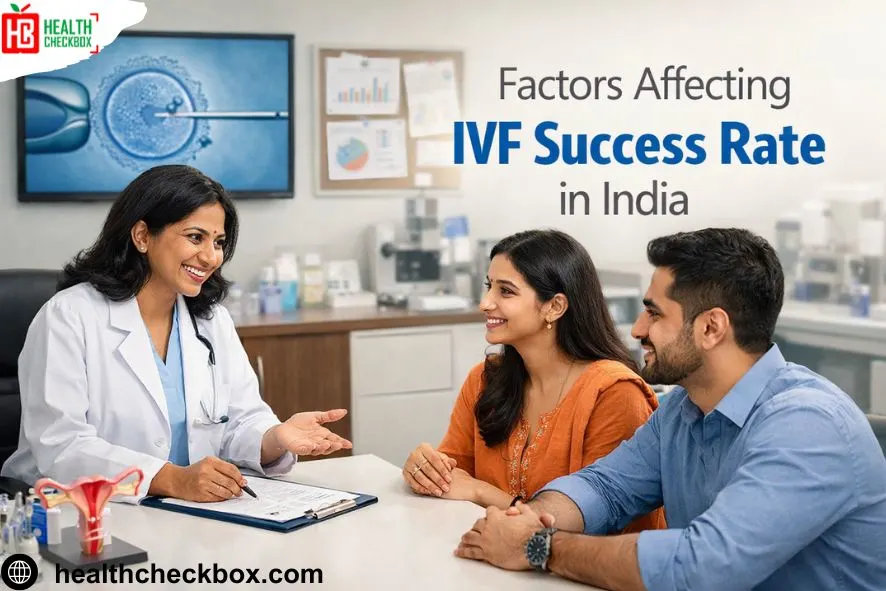
There are several factors which play a crucial role in the success of the IVF treatment which involves:
- Age of the Patient: The age of the patient is one of the major factors in the IVF treatment. As the studies show that age and success rate have an inverse relationship where younger the age higher success rate.
- Case of Infertility: Identifying the cause of infertility may increase the rate of success in fewer cycles. It is crucial to determine whether the cause is related to an ovulation disorder or male infertility, such as low sperm quality.
- Uterine Health and Quality of the Embryos: A healthy uterus with a proper lining thickness that favors implantation and pregnancy. And a good quality of embryos will affect the success of IVF treatment.
- Health Conditions: Some health conditions like PCOS, thyroid and autoimmune, can cause issues in the IVF success.
- Clinic and Expertise: A good IVF clinic with advanced technology and experienced professional care can affect the odds of success. Thus, it is crucial to find the ideal fertility for a safe IVF trip.
Conclusion
The process of IVF to become a parent is a personal process. With some knowledge of what to expect it will be possible to approach every IVF cycle with optimism and readiness. Although the number of IVF cycles required to conceive is not known, the majority of individuals conceive in just three IVF cycles though others can get pregnant more easily and others may take longer to achieve a pregnancy. All IVF processes are different but when it is performed by an appropriate team. It happens to be a hopeful, enduring and successful process.