

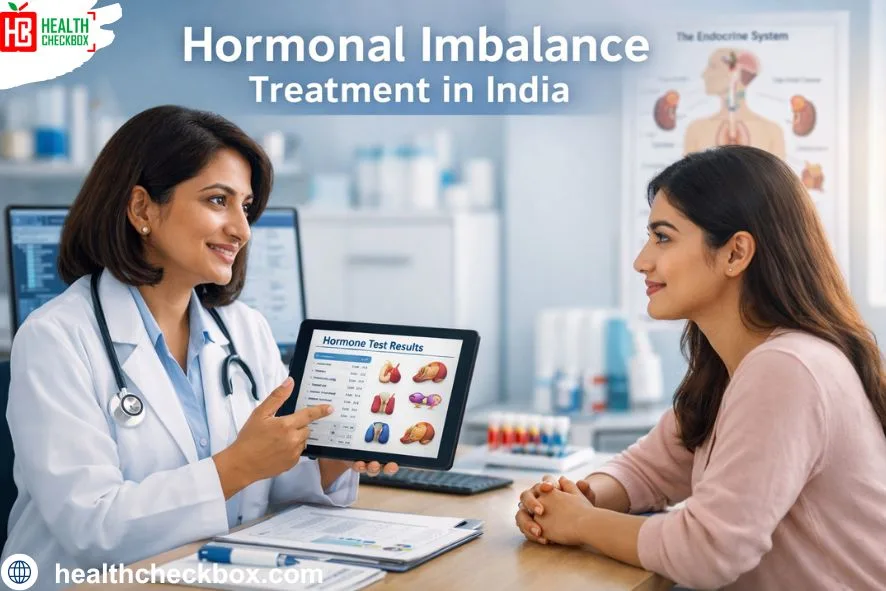
Hormonal imbalance is a common health concern that can affect both men and women, especially women due to menstrual, thyroid, and reproductive hormone changes. Hormones are chemical messengers which control many functions in the body like growth, metabolism, mood, reproduction & sleep. When the body produces too much or too little of hormones, it disrupts the normal body processes. This results in hormonal imbalance. It affects women’s health which may lead to problems like PCOS, hypothyroidism, menstrual irregularities, etc. Hormonal imbalance treatment in India has upgraded in diagnosing and treating hormonal disorders.
Hospitals in major cities of India now provide advanced hormone testing, imaging techniques, personalised treatment, etc. This helps females to manage their condition early because early diagnosis plays an important role in preventing problems and improving quality of life. Hormonal disorder treatment in India involves combination of medical therapy and lifestyle changes. Sometimes, surgery is also required, but it depends on the condition. By having awareness, early diagnosis and correct treatment approach, individuals can manage their condition.
Understanding Hormonal Imbalance
When hormones are produced too much or little, then it disturbs the normal process of the body which results in hormonal disorder. Some hormonal disorders are temporary, but some create long-term issues. The hormonal imbalances require treatments so that you can stay fit. Some of the common conditions which happens due to hormonal imbalance are:
- Irregular periods
- Infertility
- Acne
- Diabetes
- Thyroid disease – Hypothyroidism/Hyperthyroidism
- Obesity
Symptoms of Hormonal Imbalance
Hormones are chemical messengers which regulate important functions in the body. When these hormones are disturbed, it can create a large range of physical and emotional problems which can affect women’s health. Here are some of the common symptoms of hormonal imbalance:
- Irregular Periods: When estrogen and progesterone get disturb in the body, it affects the menstrual cycle which results in irregular periods.
- PMS: When reproductive hormones get disturbed before one or two weeks of periods, it leads to PMS. Emotional instability, physical discomfort, and behavioural changes are some of its signs.
- Unexplained Weight Loss or Gain: This is a common sign of hormonal disorder. It generally occurs because of metabolic disruption.
- Mood Swings: When the estrogen and progesterone gets fluctuated, it results to mood swings like anxiety, depression, etc.
- Fatigue: This is reason of chronic exhaustion, lack of energy, which does not improve from rest. This occurs due to disturbance in cortisol, thyroid & reproductive hormones.
- Hair Loss: This happens because of the fluctuations in androgens, estrogen or thyroid hormones. PCOS, pregnancy, and menopause are some of the causes of hair loss.
- Constipation: This occurs because of the fluctuation level of estrogen and progesterone. This directly affects the gastrointestinal motility and water absorption in the colon.
- Extreme Thirst and Frequent Urination: Extreme thirst and frequent urination are commonly associated with diabetes or blood sugar imbalance.
- Higher Cholesterol Levels: This acts a silent killer, occurs due to disturbance in the estrogen, progesterone or low thyroid hormones. Chest pain, leg cramps, etc, are some of its signs.
- Night Sweats: They are caused due to decrease in the level of estrogen and progesterone. This happens during perimenopause, menopause or menstrual cycle.
Causes of Hormonal Imbalance
Hormonal imbalance in women can be caused because of various factors. This can result from natural changes in the body, medical conditions, lifestyle factors and so on. Here are some of the causes of hormonal disorders mentioned:
- Puberty
- Menopause
- Menstrual Cycle
- Hypothalamic dysfunction
- Poor Diet
- Chronic stress
- Lack of exercise
- Excessive alcohol or caffeine
- Medications
- Genetics
Diagnosis of Hormonal Imbalance in India
If you notice the signs or causes of hormonal imbalance, you must visit a doctor for proper checkup. This will help to prevent serious or long-term problems. Diagnosis mainly involves:
- Medical History: Doctors take a detailed medical history which includes symptoms experienced, menstrual cycle history, lifestyle factors, etc.
- Blood Tests: These are the main methods which are taken for diagnosis of hormonal disorders. These tests examine the levels of various hormones like thyroid hormones, progesterone, testosterone, cortisol, insulin, etc.
- Physical Exam: This exam is conducted to check the symptoms like weight fluctuations, changes in skin and hair or full physical condition.
- Urine or Saliva test: This test is the most reliable method, while urine and saliva tests may be used in specific cases.
- Imaging Tests: Ultrasound, MRI, and CT scans are used to examine the glands which are responsible for hormone production. thyroid, ovaries, adrenal glands, etc, are studied under this test. This test is done to identify any structural abnormality which could affect hormone levels.
Effective Treatments for Hormonal Imbalance in India
Hormonal imbalance can be treated by managing lifestyle, medical treatments, natural products, therapies, etc. Here are some of the ways:
Lifestyle Factors
- Take a healthy diet like fruits, vegetables, and whole grains which support hormonal health. Try to avoid processed foods, excessive sugar, caffeine which can create problems.
- Do regular exercise like walking, jogging, running, yoga. This will help in controlling hormones and reduce stress.
- Take proper sleep of eight hours which maintains a good sleep schedule. Try to avoid using electronic device before going to bed. This helps to create regular melatonin production.
Medical Treatment
- According to the level of hormonal imbalance, medication is prescribed. Thyroid hormone replacements, insulin for diabetes, and metformin for PCOS helps in hormonal health. Birth control pills are recommended for the cycle management of lean PCOS symptoms as well as period regulation.
- In some cases, growth of tumours affects hormone producing glands. This problem is resolved through surgical interventions. For hormone related cancers, radiation and chemotherapy like treatment are also used.
Natural Supplements & Ayurvedic Treatments
Supplements like vitamin D and omega-3 fatty acids are helpful in supporting hormonal balance. Ashwagandha, manjishtha, gokshura, triphala, turmeric & cinnamon are some of the ayurvedic herbs. These herbs may support your hormonal cycle. They are beneficial for various issues. It helps to enhance fertility, supports ovulation, improves menstrual cycle, improves insulin sensitivity and many more.
Alternative Therapies
Acupuncture and hormonal replacement therapy are some of the solutions to balance the hormones. This helps in the level of estrogen and progesterone and also maintains overall health.
Cost of Hormonal Imbalance Treatment in India
There are different types of hormonal imbalance treatment, and the cost depends on the kind of treatment the patient is going for. Here is the breakdown of type of hormonal therapy and its costs.
| Types Hormonal Therapy | INR Cost (Approximately)- PER MONTH |
| Estrogen Therapy | INR 1,000 to INR 3,000 |
| Testosterone Therapy | INR 2,000 to INR 6,000 |
| Thyroid Hormone Therapy | INR 600 to INR 2,000 |
| Anti- Hormone Therapy | INR 10,000 to INR 80,000 |
| Insulin Therapy | INR 1,000 to INR 5,000 |
| Corticosteroid Therapy | INR 500 To INR 30,000 |
Cost-Affecting Factors of Hormonal Imbalance in India
There are many factors which affects the cost of hormonal imbalance treatment. It also depends on the type of condition like PCOS, thyroid disorders, etc. Here are some of the main factors:
- Type of Hormonal Condition: Cost of hormonal therapy depends mainly on the type of condition the patient is dealing with. If we see the approx range of thyroid therapy then it lies between INR 600 to 2,000.
- Oral Medications: These are considered as affordable treatment. There are some of the common pills like metformin, levothyroxine, etc, which manages the hormonal imbalance. It normally costs between INR 500 to 1,000.
- Injections: Hormonal injection are considered generally expensive. It can range from INR 5,000 to 15,000 depending on the patient’s condition.
- Surgery: In some of the major conditions, medicines or injections are not enough. Surgery is required in some of the cases to treat the hormonal imbalance. Cost of surgery can extend upto INR 70,000.
- Diagnostic and Consultation: This factor is totally depends on the doctor and hospital facilities. Generally, the consultation fees lies between INR 500 to 2000. Diagnosis of hormonal imbalance includes physical exams, ultrasounds and blood tests which can range from INR 2,000 to 5,000.
- Lifestyle & therapies. Many doctors suggest therapies and special diet to manage the hormones. Exercises, different kind of therapies, and foods are required to balance the hormones. This can rise your budget from INR 500 to 10,000. This may be little expensive but may reduce the future complications.
Top Hospitals for Hormonal Imbalance Treatment in India
Some problems caused by hormonal disorders are temporary, but some create long-term problems. For the treatment of long-term critical problems, many hospitals provide expert care, with advanced diagnostics and specialised teams. Here are some of the best hospitals for hormonal imbalance treatment in India.
Artemis Hospital
Artemis Hospital gives personalised hormonal imbalance treatment by its highly trained experts in endocrinology and gynecology. They provide services like advanced diagnostics, hormone replacement therapy, lifestyle management techniques for various problems. They provide special care for metabolic issues, puberty and insulin resistance as well. Trained nutritionists and psychiatrists of this hospital help to suggest diet, mental well being also.
Medanta- The Medicity, Gurgaon
Medanta Hospital has a dedicated department of endocrinology and diabetes. Experienced endocrinologists and diabetologists are the main strength of Medanta. Doctors like Dr. Manish Gutch, Dr. Jasjeet Singh Wasir, and Dr. Parjeet Kaur are some of the specialists. They mainly focus on managing conditions like thyroid disease, menopause related hormonal changes, metabolic disorders etc. If the treatment is long-term, this hospital provides long-term monitoring and preventive care. They also give nutrition counselling and metabolic management programs to improve patient’s health.
Indraprastha Apollo Hospital, Delhi
This hospital mainly focuses on hormonal problems and metabolic diseases. They provide advanced diagnosis and treatment for a large range of endocrine conditions that affect hormone production and regulation. This hospital gives specialised treatment for endocrine cancers and critical hormonal disorders. Doctors makes proper plans according to the patient’s condition and gives them special care throughout the treatment.
Max Super Speciality Hospital, Saket (New Delhi)
Max is known for its specialised department and high-quality medical services. This hospital has a good command on accurate diagnosis & gives effective treatment of endocrine disorders. Doctors at Max Hospital conduct detailed medical evaluations along with laboratory tests. Endocrinologists, dietitians, and physiotherapists of this hospital work together to create comprehensive treatment plans. They also focus on nutrition, physical activity, and weight control to balance problems.
Fortis C-DOC, Chirag Enclave, New Delhi
Fortis provides a wide range of treatment for endocrine disorders. This includes hyperthyroidism, thyroid cancer, etc. Hormonal imbalance treatment at this hospital involves detailed medical examinations and advanced laboratory testing. Endocrinologists of this hospital examine hormone levels through blood tests. This identifies abnormalities in hormone production. This hospital provides a different approach which involves collaboration among endocrinologists, surgeons, radiologists, nutritionists, and other specialists.
Tips to Choose the Right Doctor for Hormonal Imbalance Treatment in India
Choosing the right doctor for treatment is important because hormone disorders sometimes take long-term monitoring and specialized care. Here are some of the ways which will help you to choose the right doctor for your treatment.
Choosing the Right Doctor
- Endocrinologists: These types of doctors diagnose thyroid disorders, diabetes, adrenal issues and hormonal disorders.
- Gynecologists: These doctors deal with menstrual problems, PCOS, & menopause.
- Reproductive Endocrinologists: These doctors focus on fertility and reproductive hormone disorders.
Tip: A good doctor should listen properly to the symptoms. He/she should explain the treatment methods clearly. Sometimes, hormone issues involve sensitive topics like fertility, menstrual cycles and sexual health. To discuss these problems, patients should feel comfortable, which is very important. A good bond between doctor and patient results in positive outcomes.
Verify Medical Qualifications
- Always check the doctor’s qualifications and certificates.
- Doctors should be associated with the Medical Council of India or the State Medical Council.
Check Experience with Hormonal Disorders
Hormonal Conditions can be critical and sometimes require specialized knowledge. Check whether the doctor has treated hormonal conditions or not before booking an appointment. Doctors who have more experience in managing cases like PCOS, thyroid disease, infertility, or menopause diagnosis more effectively.
Evaluate the Hospital Facilities
- Hormonal diagnosis mainly involves tests and imaging. Good diagnostic facilities can speed up diagnosis and treatment.
- Look for the hospitals which have accredited laboratory services which are required for blood and urine testing.
- Hospitals must work with advanced imaging systems. These are used for ultrasound, MRI & CT scans that check the gland abnormalities.
- Look for specialised testing for complex disorders. Hospitals must have bone density scanners to examine bone health.
Read Patient Reviews and Feedback
By reading patient reviews, you can check about the doctors:
- Communication Style
- Treatment effectiveness
- Waiting time
- Overall patient satisfaction
Prevention Tips for Maintaining Hormonal Balance
Prevention of hormonal imbalance in females includes a good and healthy lifestyle which supports their endocrine system & makes their body fit. Here are some of the tips to prevent hormonal imbalance.
- Maintain a balanced diet that includes foods like fruits, vegetables, lean protein, etc.
- Avoid processed food and refined sugars.
- Keep your body hydrated. Drink lots of water which supports your overall health.
- Avoid excess exercise as it sometimes affects your hormone levels.
- Do regular physical activity like yoga, meditation, jogging, walking, etc.
- Take proper sleep of 8 hours.
- Maintain a healthy weight.
- Schedule your regular check-ups to examine your overall health.
- If you find any symptoms related to hormonal imbalance, consult your doctor to avoid future complications.
Conclusion
Hormonal imbalance treatment in India is becoming common. By proper awareness, early treatment and diagnosis, individuals can manage their symptoms if found. It will help to avoid future problems and issues. In this blog, we have covered information regarding hormonal disorders. This will help females to understand and get aware of hormonal imbalance, its causes, symptoms and treatment.