

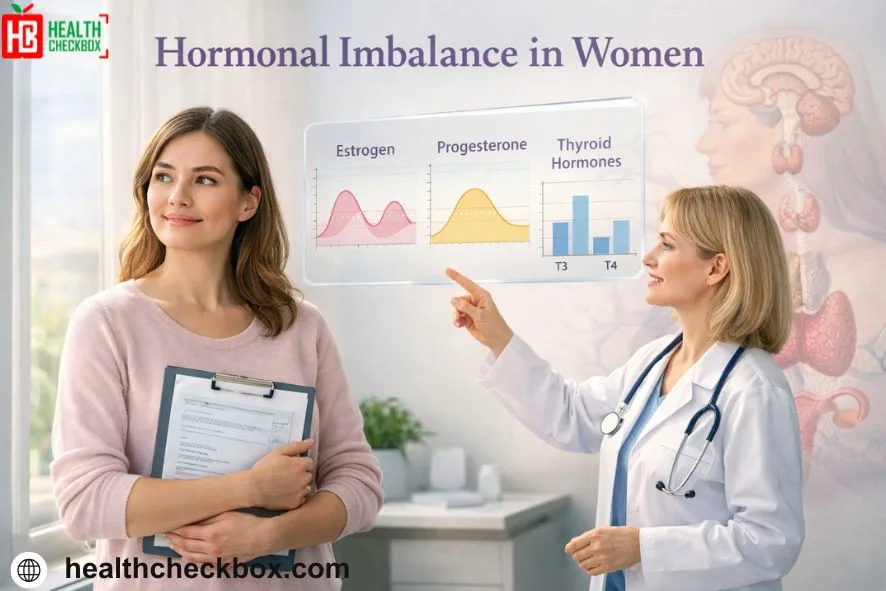
Hormonal imbalance plays a vital role in women’s physical, emotional and reproductive health. Hormones act as chemical messengers which regulate every main function of the body. When hormones are produced in the right amount & time, they function well, but if even one hormone fluctuates on a regular basis, it disturbs the natural balance of hormones. Hormonal imbalance in women can stem from various causes such as puberty, menopause, pregnancy and many other factors. Symptoms of hormonal imbalance differ in every single woman. It depends on hormones, which are affected. Importantly, hormonal health is deeply personal and influenced by genetics. Hormonal balance is a critical, multifaceted issue which affects women physically and mentally. By getting the knowledge of the symptoms and causes of hormonal imbalance in women, they can maintain their hormonal harmony.
What are Hormones?
Hormones play a very crucial role in regulating various physiological processes as it works as chemical messengers, produced by various glands. They coordinate different functions in the body by carrying messages through blood to organs. Even minor disturbance in hormones can impact a woman’s health.
Thyroid Hormones
Thyroid hormones are mainly responsible for controlling the speed of metabolism in the body. Thyroxine & Triiodothyronine are the two main hormones of thyroid gland. These hormones play a crucial role in regulation of other main functions such as heart rate, calorie burning, skin maintenance and growth. Hypothyroidism is caused by an underactive thyroid gland which is responsible for fatigue and weight gain. On the other hand, hyperthyroidism is responsible for diarrhea, muscle weakness, and weight loss.
Parathyroid Hormones
When the body detects the low level of calcium, parathyroid hormone is released. Parathyroid hormone is a hormone which are released from parathyroid glands. It controls the level of calcium in the blood. It is a hormone which is produced by four small glands in the neck. Parathyroid hormones also helps in regulating the levels of phosphorus and vitamin D in blood.
Adrenal hormones
Adrenal hormones are produced by adrenal glands which helps in regulating the immune system, blood pressure, metabolism, sugar and stress. These hormones are released by adrenal glands. One of the main hormones is Cortisol which helps in controlling the body’s fat, proteins, and carbohydrates. Aldosterone helps to regulate the levels of sodium and potassium by controlling electrolytes in the body. Adrenaline and noradrenaline are also the essential hormones which are capable of increasing blood flow into the muscles and brain.
Sex Hormones
Sex hormones are steroid hormones which are produced by gonads and play a very crucial role in various physiological effects apart from reproductive health. Estrogens, Progestogens, and Androgens are the three types of sex hormone. Androgen hormones are present in ovaries in females. It is essential for the development and maintenance of sexual characteristics in male. Estrogens and progesterone play important roles in women also for maintaining reproductive health. They are mainly present in the ovaries. They help in regulating the female reproductive, menstrual cycle, and pregnancy.
Pancreatic Hormone
These hormones are produced by the pancreas which help in regulating blood sugar levels. Pancreatic hormone produces two key hormones, i.e., insulin and glucagon. Insulin are the hormones which lowers the blood sugar levels after eating. Glucagon are the hormones which maintain a balance to ensure an adequate supply of energy to cells. These hormones are released directly into the bloodstream which maintains the glucose. Somatostatin are the hormones which acts as a regulator by hampering the release of glucagon and insulin both to prevent extreme fluctuations
What is Hormonal Imbalance?
Hormones play a vital role in our body. It helps in regulating various bodily functions but when this balance gets disturbed, it can cause significant health issues. Hormonal imbalance occurs when there is too much or too little of more than one hormone & this can lead to a wide range of physical and emotional health issues like difficulty in sleeping, increased moodiness and irritability, depression, fatigue, and many other effects. In women, when hormones balance gets disrupted, it can affect the menstruation cycle, infertility, acne etc. Hormonal imbalance is a common phenomenon in women because of their monthly menstrual cycle. Some Hormonal imbalances are temporary while others can become long-term problems. Understanding hormonal imbalance, symptoms of hormonal imbalance in women, causes of hormonal imbalance, treatments will lead to better outcomes.
Why are Hormones Important for Women’s Health?
Hormones are important for women’s health as they act as chemical messengers. They regulate critical functions throughout life which includes metabolism, reproduction, mood density and heart health. Hormones directly regulate the menstrual cycle, fertility and pregnancy. In women, estrogen is a very essential hormone which helps in developing breasts and hips. It also helps in maintaining strong, healthy bones by regulating calcium. When hormones are disturbed, women may experience severe mood swings, fatigue, weight gain, irregular periods. Long-term issues may be linked to osteoporosis, heart disease, diabetes and many more other problems.
Symptoms of Hormonal Balance in Women
Symptoms of hormonal imbalance vary according to the particular gland which is affected and according to the gender.
Irregular Periods and Menstrual Changes
Irregular menstruation is considered as the main noticeable sign of hormonal imbalance in women. Menstrual cycle is controlled by hormones produced by the brain and ovaries which help in ovulation and shedding of the uterine lining. When these hormone levels rise or fall, the menstrual cycle gets disrupted which leads to irregular periods. Cycle length or missed cycles commonly vary because of estrogen and progesterone which affects the reproductive well-being.
Unexplained Weight Gain or Weight Loss
Weight loss or weight gain is a primary symptom of hormonal imbalance. Hormones directly regulate metabolism, appetite and fat storage. It affects several processes in the body which leads to weight gain. Thyroid hormones regulate the body’s metabolism at which it burns the energy. Hormones can slow metabolism which results in weight gain. Also, decreasing levels of estrogen, PCOS and other factors which can also contribute to weight gain. During menopause also, hormonal changes cause the metabolism which slow down the function and result in weight gain.
Hair Loss
Hair loss can be considered the main symptom of hormonal imbalance because of fluctuations in hormones. Dihydrotestosterone, thyroid hormones, cortisol and estrogen are some of the hormones which are responsible for hair loss. When thyroid hormone levels fall or rise from the normal range, it disrupts the hair growth cycle. Cortisol levels rise due to stress which leads to hair loss same as fall in estrogen also leads to hair shedding and thinning.
Pregnancy
Pregnancy causes important hormonal surges including estrogen, progesterone which support fetal development. Extreme mood swings, fatigue, nausea and physical changes are some of the signs of hormonal imbalance. Many hormone levels are affected in the body due to pregnancy such as Human chorionic gonadotropin hormone, human placental lactogen, estrogen, and progesterone. During pregnancy, increases in high levels of Estrogen lead to emotional instability and anxiety.
Acne and Skin Problems
Hormonal imbalances may create skin issues because hormones regulate oil production, cell turnover and inflammation. It impacts skin health because of the fluctuations in estrogen, progesterone and androgens, collagen levels, and skin barrier function which leads to acne, dryness and early aging. Acne mainly occurs because of clogged pores. Puberty can be considered as the key factor for developing acne and hormonal fluctuations. Oil glands in skin get stimulated when hormones become active during puberty.
Mood Swings, Anxiety, and Depression
Hormonal imbalance activates mood swings, anxiety and depression which disturbs neurotransmitters, resulting in variation in estrogen, progesterone, cortisol or thyroid hormones. Falling levels of estrogen and progesterone during PMS, perimenopause causes irritation, sadness and anxiety whereas increasing levels in cortisol results in depression at high rate and anxiety. Underactive thyroid results in depression and overactive thyroid leads to anxiety, restlessness and different types of mood swings.
Sleep Disturbances
One of the common symptoms of hormonal imbalance is sleeping issues or sleep disturbances such as difficulty falling asleep, insomnia, waking up early without having proper sleep. Fluctuations in hormones like cortisol, progesterone, estrogen, melatonin which contributes in disturbing the body’s sleep wake cycle which also leads to anxiety, night sweats, or bad sleep quality.
High levels of cortisol in night creates restlessness. Fall in progesterone contributes to menopause and perimenopause, which makes it difficult for person to stay asleep. Low estrogen levels also leads to night sweats and hot flashes which also contributes in sleep disturbance. Insomnia and restlessness also occurs because of the level fluctuation in hyperthyroidism & hypothyroidism.
Causes of Hormonal Imbalance in Women
Hormonal imbalance does not happen overnight. It usually develops because of lifestyle factors, medical conditions or certain other stages. It occurs because of hormones fall and rise apart from normal levels. Hormonal imbalance in women happens when there is extreme deficiency of one or more hormones in the bloodstream which disturbs the endocrine system. Even minor fluctuations in hormones can lead to important physical and emotional symptoms. Hormonal imbalance affects a good percentage of women, during puberty or pregnancy. Here are some of the common causes of hormonal imbalance in women.
Perimenopause and Menopause
Perimenopause and menopause causes significant imbalances mainly by fluctuating the production of estrogen and progesterone by the ovaries. Rise and fall in the level of hormones causes irregular periods, hot flashes and anxiety. Menopause is a natural biological transition marked by reduced estrogen and progesterone production.
Ovaries produce a wide amount of estrogen and when there is a rise in estrogen level it often results in headache and mood swings which is a sign of hormonal imbalance. Heavier or irregular periods happen because of the drop in the level of progesterone which also leads to insomnia and anxiety sometimes. Declining estrogen affects insulin regulation which leads to abdominal fat storage. It’s normal if the cycles are irregular for the teenage girls but if the hormonal imbalance continues for several years, it may require medical consultation by the doctor.
PCOS
One of the main causes of hormonal imbalance is PCOS. It activates the ovaries to overproduce the androgens which lead to disturbance in the menstrual cycle. It is a common hormonal condition which affects ovulation. When there is a fluctuation in the hormone androgen, it leads to PCOS which is also connected to irregular periods, weight gain, acne as well.
Thyroid Disorders
Thyroid disorders cause hormonal imbalance by disturbing the production of hormones. T3 & T4 are the main hormones which help in controlling metabolism and affect other endocrine glands. This also disturbs the menstrual cycle, affects fertility, etc. Due to low levels of hypothyroidism, it results in fatigue and weight gain and due to high levels in hyperthyroidism leads to weight loss and anxiety
Chronic Stress and Cortisol Imbalance
One of the reasons for hormonal imbalance is ongoing stress as chronic stress causes the body to release more cortisol. It hinders the release of reproductive hormones like progesterone and oestrogen which also results in trouble sleeping, mood changes, period irregularities and many other difficulties. Chronic stress is activated by the hypothalamic-pituitary-adrenal axis which helps in releasing the corticoids. Cortisol is the body’s main stress hormone which is essential for controlling blood sugar, managing metabolism and reducing inflammation but increased cortisol can lead to weakened immune system, high blood pressure, sleep over time and many other problems.
Poor Diet
Poor diet causes hormonal imbalances by depriving the body’s raw materials. Our hormones are produced by glands in the endocrine system. It relies on various nutrients which function properly. A poor diet can cause inflammation, disrupt hormone production and can lead to long-term health issues like PCOS, diabetes, etc.
High sugar or refined carbs causes rapid insulin spikes that lead to insulin resistance. Processed food, such as saturated fats, trans fats, and sugar can cause systemic inflammation which disturbs the hormone production. Diets which are low in fiber but high in sugar can damage the gut microbiome.
Birth Control Pills
Birth Control pills also contribute to hormonal imbalance because of synthetic estrogen and progestin. This prevents the body’s natural cycle from ovulation. These hormones suppress natural hormone production & increases SHBG which lowers free testosterone. This results in mood changes, nutrient depletion and reduced libido.
Birth control pills prevent ovulation by suppressing the natural hormonal cycle. Oral pills can also deplete the body of essential nutrients which are important for mood regulation and other functions of the body. The high dose of synthetic estrogen can increase thyroxine binding globulin which leads to reduction of thyroid hormone present in the body.
How is Hormonal Imbalance Diagnosed?
Hormonal imbalance in women is diagnosed through a combination of medical history review, physical exams and specialized tests. Doctors mainly check menstrual patterns, weight changes, stress levels and many other medical histories. A physical examination is also done to examine any visible signs of hormonal imbalance. Doctors may request for a blood test to check thyroid and estrogen and other hormone levels as whether the hormone levels are in the normal range or not. Ultrasounds or MRIs are used to visualize the reproductive organ like uterus, ovaries, testicles, thyroid, and pituitary gland.
Effective Treatment Options for Hormonal Imbalance
Some of the effective strategies for balancing hormones:
- Lifestyle Changes for Hormone Regulation: Hormonal imbalance can be improved naturally by having a nutrient dense diet which is helpful in reducing and managing stress. Take around 7-8 hours of sleep. Yoga and meditation is also the best way to balance the hormones. Increased protein and healthy fat intake, avoiding refined sugars and quitting drinking and smoking may lead to better results in balancing hormone
- Medical Treatments: Medical treatment is necessary to solve the situation of hormonal imbalance. Hormone replacement therapy is one of the among treatment which is done to treat the symptoms of menopause. Birth control pills are also recommended sometimes to manage the PCOS symptoms. Thyroid medication is recommended to treat hypothyroidism and hyperthyroidism so that to provide metabolic system.
- Exercise and Physical Activity: Exercise is highly beneficial for managing hormonal imbalances because it enhances the production of good hormones that helps to elevate mood and stress. Yoga is one of the best exercises which improves flexibility, core strength and stability and helps in balancing the hormones. Some of the main yoga poses like bridge, cobra and child’s poses help in stimulating the endocrine system, and reducing stress levels. Walking also helps in managing hormone levels. Exercises like squats, lunges and push-ups not only help in building muscles but also contribute to overall metabolic health by enhancing hormonal level.
Natural Remedies for Hormonal Imbalance in Women
Hormones play a major role in controlling appetite, weight and mood. Body produces the precise amount of hormones which are needed for various processes to keep healthy. A nutritious diet and other healthy lifestyle habits helps in improving hormonal health.
- Eat Enough Protein at Every Meal: Protein is not only important for providing amino acids but it is also essential to produce protein-derived hormones which is also known as peptide hormones. It helps in regulating many physiological process. Eating at least a minimum amount of protein per meal is important for one’s body like eggs, lentils, fish, etc.
- Engage in Regular Exercise: Physical activity enhances hormonal health. Exercise increases hormone receptor sensitivity which enhances the delivery of nutrients. Exercise has the ability to reduce insulin levels. Many types of physical activity helps in preventing insulin resistance which includes high intensity interval training, strength training and cardio. People who cannot do exercise, walking can also work for them as walking may increase hormone levels which helps in improving strength and quality of life.
- Maintaining a Moderate Weight: Weight gain is one of the main factors of hormonal balance. It is directly associated with hormonal imbalances which lead to insulin sensitivity. Obesity is strongly a main key which is related to development of insulin resistance. Losing weight is connected with improving weight which reduces the risk of diabetes and heart disease.
- Try Stress Reduction Techniques: Stress harms hormones in several ways. Reducing stress is important for balancing hormones. Cortisol is among the stress hormones which helps in dealing with long-term stress. Effective techniques such as daily meditation, deep breathing exercise, yoga, etc. helps in reducing stress which results in balancing the hormones.
Herbal Remedies for Women’s Hormones
Herbal remedies provide gentle support to the body for balancing hormones. When women are going through menopause or managing PCOS or lean PCOS symptoms, herbs work as nature’s original medicine. It helps in restoring the body’s natural ability to self regulate.
- Ashwagandha: It helps balance cortisol and reduces strain on the endocrine system.
- Vitex: It works on the pituitary gland, helping to regulate estrogen and progesterone.
- Red Clover: It is herbal remedies for menopause as it contains isoflavones which helps in supporting balance of estrogen.
- Tulsi: It helps in reducing stress, protecting the endocrine system from oxidative damage, managing and reducing stress.
- Licorice Root: It supports adrenal health, helps in reducing elevated testosterone levels.
Vitamins and Minerals for Hormone Support
Vitamin and minerals act as important factors which help to enable the endocrine system and regulate hormones like estrogen, progesterone, etc.
- Zinc: Works for reproductive health, helps in balancing cortisol, estrogen and progesterone and supports ovarian function and improves insulin resistance.
- Vitamin D: Helps in supporting thyroid function and strengthens the immune system.
- Iodine: Helps in the production of thyroid hormones.
- Fiber: It helps in binding excess hormones which prevents their reabsorption and also helps in maintaining blood sugar levels.
- Magnesium: It supports by regulating cortisol levels, helps in detoxification of estrogen.
Conclusion
Hormonal imbalance concern is spread worldwide which affects women’s bodies in different ways. Understanding the issues and symptoms caused by hormonal imbalance in women is the first step towards restoring balance which helps in improving the overall health of an individual. In this content, we’ve tried to give a detailed explanation about hormonal imbalance which will help individuals in understanding the causes and symptoms of hormonal imbalance. If you notice symptoms related to this issue, consult a healthcare provider as soon as possible to avoid serious complications in future.