
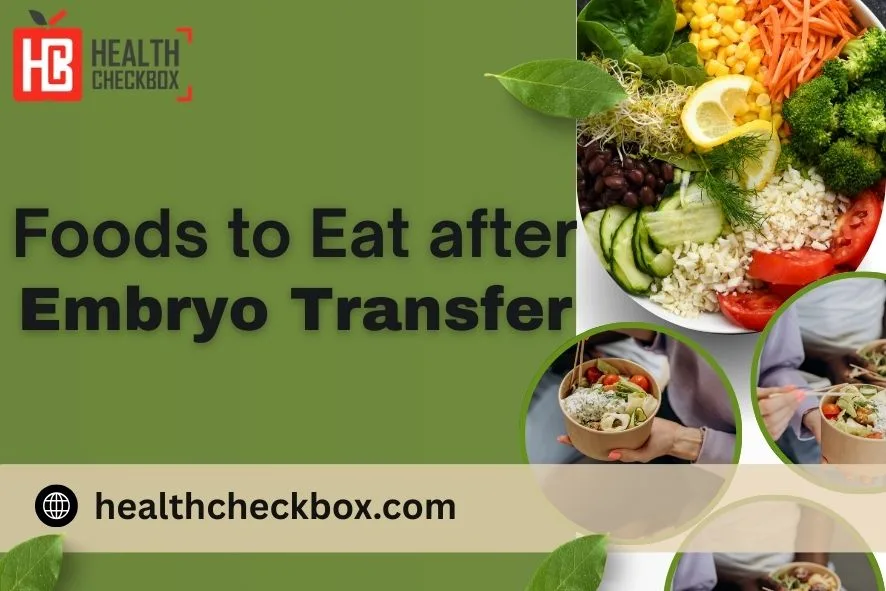
Embryo transfer is the process in which the couples who struggle with infertility go with the reproductive technologies in the IVF. They do so many procedures and tests, so before the last blood test for pregnancy, they do embryo transfer. It is a process in which they take fertilized egg and sperm and then implant it in the mother or surrogate uterus. All these things are operated under doictor’s supervision, but the most important thing foods or diet, which does not come under the doctor’s supervision directly. In this blog, we are going to understand and learn about which foods to eat after embryo transfer, foods that should avoid, diet chart that we should follow and the foods that will help in implantation.
Embryos placement in the uterus should be clear so that your doctor is able to guide this process by pelvic ultrasound, because ultrasound gives the visibility to perfectly place it. This process increases the chances for the mother and surrogate to conceive. Eating a well balanced, nutritious diet and taking parental medicine that can help to support fertility and a healthy pregnancy. We will guide you properly which are suitable or not during the pregnancy.
What Foods to Eat After an Embryo Transfer?
The foods to eat after an embryo transfer is the same as recommending to support your health during the other process of the fertility journey. Here are some foods that will help you to stay healthy:
Walnuts
Walnuts have fibers and copper. This is also a plant based omega 3 fatty acid with many health benefits. Walnuts are one of the best foods to eat after embryo transfer for successful implantation, and it also helps with fertility. There are also some good sources of omega-3 that include:
- Salmon ( If you are non-vegetarian)
- Chia seeds
- Olive oil
Quinoa
Quinoa is a variable, multi tasking whole grain and also full of nutrients and that include:
- Iron
- Zinc
- Magnesium
- Vitamin B6
- Folate
It also includes the source of plant based protein and more than 9 essential amino acids. Taking more whole grain helps to improve fertility. If you want, you can add more grain:
- Oats
- Barley
- Farro
Plant Based Protein
Protein is important for the balanced diet, building and repairing the cell. Here are some plant based proteins like:
- Legumes/Vegetables
- Nuts
- Quinoa
- Tofu
Fruits and Vegetables
Fruits and vegetables are very important for a diet because they have minerals and vitamins. Here are some fruits and vegetables that are good for the health like:
- Strawberries
- Peaches
- Orange
- Avocados
- Pumpkin
- Zucchini
- Cauliflower
Fortified Food with Folic Acid
It is an important nutrient during your reproductive years. Folate is naturally found in foods. Folic acid is the manufactured version of folate that is used in supplements. It is very difficult to find that you are getting enough frolic food because during the process of making the food, it is easily destroyed. So you should eat fortified food that includes folic acid to get pregnant. So the food is:
- Pasta
- Rice
- Bread
- Cereals
Foods to Avoid Eating After an Embryo Transfer?
After the embryo transfer and even before the blood test or any procedure, treat your body like you are already pregnant and having a baby, so that you should avoid some food which is not good for the baby or a pregnant lady. So the foods or things are:
- Alcohol: Use of alcohol not only creates miscarriage but also causes the problems of growth and neurological development of the baby.
- Raw and Undercooked Meat and Seafood: Eating raw or undercooked meat and seafood can cause problems. You can get sick because it releases the bacteria, which is not good for babies and pregnant women. It is highly recommended to avoid it during your reproductive years, embryo transfer, and during your pregnancy too.
- Unpasteurized Dairy Products: Pasteurization is the process which kills harmful bacteria. Dairy products are unpasteurized and it is harmful for the baby and makes you sick if you have raw milk or cheese.
Diet Chart to follow after Embryo Transfer
Follow the diet chart for better results:
Begin your Day with the Protein
Protein is important for building new cells. It helps to support the growth of the embryo, to stabilize your blood sugar level and thicken your uterine lining to prepare you for implantation. The things you should eat are:
- Boiled or Poached Eggs
- Paneer or Tofu
- Soy or Almond Milk
- Sprouts or Chilla
- Quinoa Porridge
Green Leaf and Folate Food
Folate is also a form of vitamin B9, which is important for early pregnancy development. It helps to reduce the pregnancy risk and to grow the embryo. The best green leaf and folate foods are:
- Spinach
- Methi
- Kale
- Broccoli
- Peas or beans
- Lime
- Oranges
- Sweet
- Lentils
Omega-3s for Hormone Balance
Omega is a fatty acid that helps in a reproductive hormone, blood flow to the uterus and it can also improve the development of the embryo. You can eat the food which is mentioned below for better heath:
- Walnuts and Avocado
- Chia Seeds and Mustard Oil
- Sardines and Salmon (if you are non-vegetarian)
Whole Grain
Whole grain helps to stay energetic, increase digestion and stable insulin levels. Foods that help you for better health are:
- Oats or oatmeal for breakfast
- Brown rice for lunch
- Multigrain or bajra chapati for dinner
Hydrated with Fertility Drinks
Staying hydrated is very important for blood circulation and it helps to transfer the nutrients to the uterus. Best hydrating option for fertility drinks to stay hydrated and fresh:
- 8 to 10 cups of water in daily basis
- Coconut water
- Fresh fruit juice made at home
- Buttermilk
- Water mix with mint or lemon
Calcium and Vitamin B Food
Calcium and Vitamin B is important for the healthy reproductive system and also for the embryo. It helps in health and vitamin B to support the hormone. The food in which both calcium and vitamin are present are:
- Paneer or Tofu
- Fortified Milk or Curd
- Ragi or Almonds
- Fortified Cereals
- Some morning sunlights for 15 to 20 minutes only
Avoid Juck Foods
Some foods affect the uterus negatively and can cause implantation. Avoiding some foods helps you to stabilize your hormones and helps to improve digestion. Foods that you should avoid taking are:
- Fried Foods
- Caffeine
- Alcohol and Soft Drinks
- Sugar and sugary foods
Take Small amount of Meal
Eating a lot can make you feel uncomfortable. So to keep you working and to avoid high blood sugar levels, it’s better to eat small amounts of food whole day. You can follow this pattern:
- Breakfast at 8:00 AM
- Mid-morning at 10:00 AM
- Lunch at 1:00 PM
- Evening at 5:00 PM
- Dinner at 8:00 PM
Foods That Help Implantation Success
There are so many foods that help with the success of implantation, such as:
- Oats: Oats are an easy to cook food with whole grains. And it is very good for your health because it keeps you energetic all the time.
- Spinach: Spinach is very important for your health and it helps to reduce the risk of neural tube defects (defects of the birth canal, the brain or spinal cord).
- Kiwi Fruit: Kiwi is not only delicious but healthy too. It has Vitamin C to support the production of reproductive ho rmones.
- Salmon: Salmon is a fatty fish which is high in Omega 3s. Higher intake of omega 3s improves the rate of implantation and pregnancy in IVF cycle too.
- Beetroot: Beetroot is high in nitrates, which is an acid that lowers the blood pressure and improves the blood flow to the uterus. A mixer of beetroot, watermelon and ginger juice helps to increase the rate of embryo implantation.
- Bok Choy: If you don’t like beetroot, you can try bok choy in a stir fry. You will get a lot of benefits after consuming it like folate, Vitamin A and C.
Conclusion
I hope this blog will help you to know about which food to eat after embryo transfer and the proper diet after embryo transfer. Embryo transfer is the IVF process in which the fertilized embryo is placed into the uterus to support pregnancy. During that time, you may eat healthy foods such as fruits, vegetables, walnuts, protein rich food and many more. Also, you should avoid alcohol and raw or uncooked foods as they increase miscarriage risk. Before going to eat any foods please contact your doctor.