
Embryo transfer success rate is one of the important and emotional features of the IVF process. The stage of embryo transfer represents hope and anticipation for the couples who are pursuing assisted reproduction. The success rate of this is driven by the combination of medical, biological and lifestyle factors which include the age of the patient, quality of embryo, healthy uterus and many more. When we discuss embryo transfer, it is important to discuss various types of success measurements. It is an important part of the overall success rate. It works as an important indicator of achieving pregnancy. By understanding these aspects and maintaining realistic expectations, patients can approach the IVF journey.
What Is Embryo Transfer?
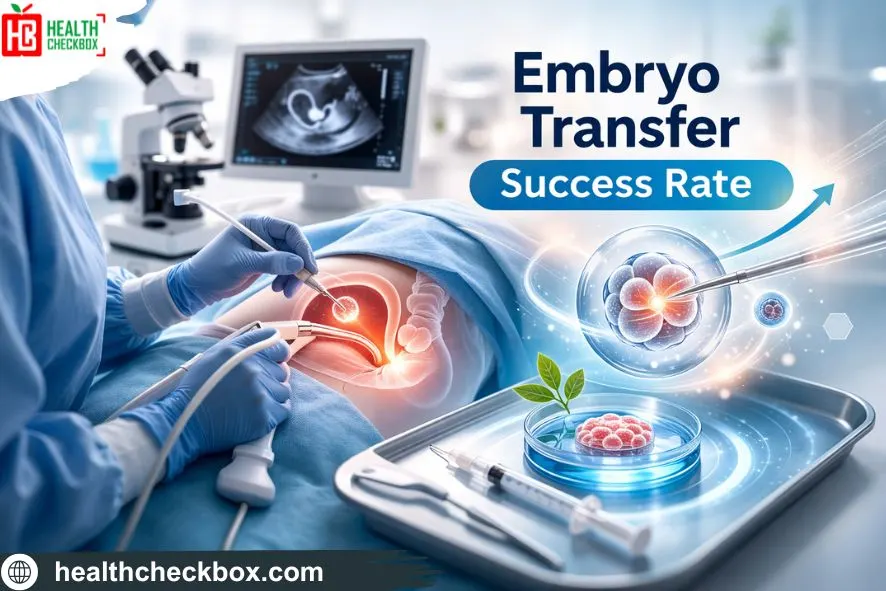
Embryo transfer is the final stage in the 5 stages of IVF. Embryos are fertilized outside the body and then transferred into the uterus, where implantation may occur naturally. It is considered to be a painless and quick procedure in IVF which results in pregnancy. As a part of IVF, Embryo transfers can significantly improve the chances of conceiving. There are primly two types of embryo transfer:
Fresh Embryo Transfer
In this process, embryos are transferred just after 4-5 days of fertilization mostly within the same menstrual cycle. This is a faster process by which the IVF process is considered to be completed sooner. By the fresh embryo transfer process, the chances of risks of embryo damage are lower. But sometimes, the outcome of fresh embryo transfer can create issues like hormonal imbalance because of ovarian stimulation drugs. This can result in affecting implantation or can decrease the rate of implantation in those who have PCOS or high estrogen levels.
Frozen Embryo Transfer
In this process, embryos are frozen after development for future use and later transferred to the uterus. Freezing embryo transfer takes place when the uterus is considered to be at its natural state before transfer. It is considered best for those women who are dealing with PCOS, thin endometrial lining and hormonal imbalances. The frozen embryo transfer process reduces the risk of OHSS and increases the chance of successful implantation. On the other hand, if we talk about its consequences, then this process may occur at a small risk of embryo damage during the freezing process.
Blastocyst Transfer (Day 5-6)
Blastocyst is a group of dividing cells which is made by fertilized egg. In this process, the embryo which has grown up to the blastocyst stage is transferred to the womb. It is the stage after 5 days of fertilization in which the embryo normally moves out of the fallopian tube and enters into the uterus. When the blastocysts start attaching the uterine lining, then this process is known as Implantation.
The advantage of blastocyst transfer is that it allows eggs to grow till they reach the blastocyst stage. This increases the chances of implantation, by which some embryos are replaced. This results in decreasing the risk of multiple pregnancy. The disadvantage of blastocyst transfer is that only a few embryos actually reach the blastocyst stage. In some cases, none of the embryos reaches to blastocyst which results in no embryo transfer.
Success Rate of Embryo Transfer
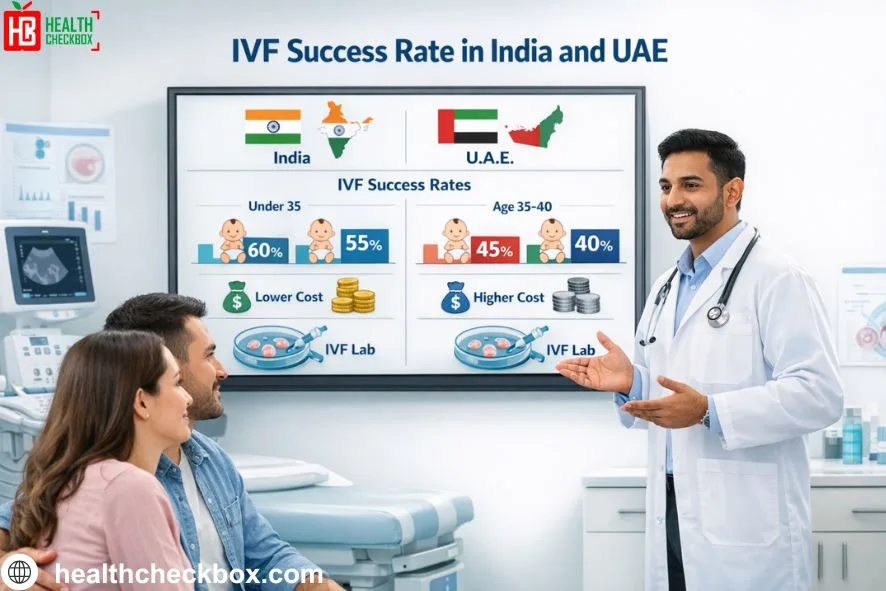
Embryo transfer success rate is defined as achieving successful pregnancy or live birth per transfer. Success rate per embryo transfer cycle is one component of overall success rate. This is because it shows the capacity of already created embryos rather than whole stimulation. The average success rate depends broadly on women’s age and embryo quality. For women who are under 35 years of age, the success rate ranges from 40% to 50%, but for women whose age is between 35-40, the success rate of embryo transfer for them decreases to 30%-40%.
If we discuss the implantation rate, it reflects the percentage of embryos which are successfully implanted in the uterus. Implantation success rates usually range from 30%-40% per embryo transfers depending on some factors like age, embryo quality, patient factors, etc.
According to SART data, live birth rate is considered the most meaningful outcome in the entire success rate. This is measured by the percentage of embryo transfers which results in the birth of a live baby. This is considered the “success” in the right way for IVF treatment and embryo transfer outcomes.
Embryo Transfer Success Rate by Age
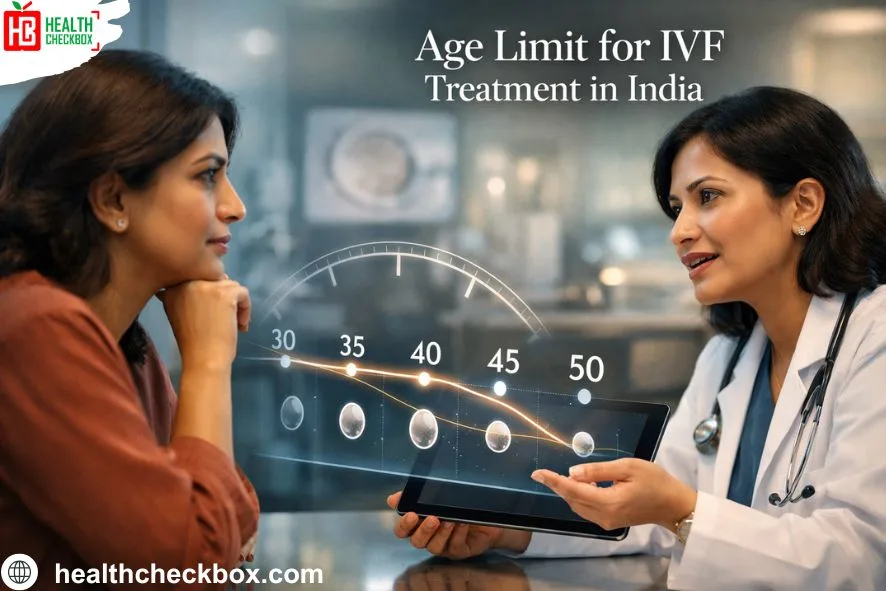
Age is the most crucial factor in embryo transfer success rate. Decreasing embryo quality and quantity may affect the IVF process and reduce the implantation rates. Success rates vary according to the age of women. Detailed data is mentioned below:
- Women under Age 35: Success rate ranges from 50-60% because of good egg quality.
- Women between the Age of 35-40: Quality of eggs starts decreasing, which is why embryo transfer success rate ranges from 35-40%.
- Women who are above the Age of 40: Success rate only lies between 10%-20% because fertility quality decreases faster which leads to very less chance of pregnancy.
- Donor Egg Embryo Transfer Success Rates: For women who are under age 45, donor embryo transfer success rate is higher by 60-80%. This is because donor embryos are comparatively young and pre-screened which helps women under 45 years of age to use these eggs instead of their eggs. This increases the chances of pregnancy in them.
Embryo Transfer Success Rate: Fresh vs Frozen Embryo Transfer
A fresh embryo transfer starts after 3-5 days of the egg retrieval. But, in frozen embryo transfer, it occurs between a year of women’s egg retrieval and fertilization. In many cases, frozen embryo transfer is considered the best choice for patients than fresh embryo transfer. It is because it provides a more natural and hormone balanced uterine environment which results in higher live birth rates as compared to fresh transfers. Frozen embryo transfer provides several advantages over fresh embryo transfers such as:
- It preserves the fertility
- Frozen embryo transfer gives less mental and physical stress to a woman’s body.
- It acts as a natural cycle
Recommendation by doctor whether for fresh embryo transfer or frozen embryo transfer. It depends on the patient’s health and family planning needs. If a woman has a balanced hormone levels, healthy uterine lining and the couple wants to proceed pregnancy as soon as possible. If the woman’s age is below 35 then doctors may recommend Fresh Embryo Transfer. But, if a woman is at high risk of OHSS, needs a better uterine environment for implantation. And if previous fresh embryo transfer is failed, then doctors advise for frozen embryo transfer.
Table Comparison Fresh vs Frozen Embryo Transfer
| Parameter | Fresh Embryo Transfer | Frozen Embryo Transfer (FET) |
| Timing | 3–5 days after egg retrieval (same cycle) | In a later cycle (next month or even later) |
| Hormonal Environment | Stimulated cycle (high hormone levels) | Natural or hormone-controlled cycle |
| Live Birth Rate | Good success rate | Comparable or slightly higher in many cases |
| OHSS Risk | Higher risk in some women | Lower risk |
| Embryo Handling | No freezing involved | Small freezing–thawing risk |
| Best For | Younger women with good hormone balance | Women at risk of OHSS or previous failed fresh cycle |
Factors Affecting Embryo Transfer Success Rate
Here are the factors that affect the success rate of embryo transfer:
Embryo Quality
Good quality embryo transfers result in higher clinical pregnancy and live birth rates whereas one proceeds with poor quality embryo transfers, which results in high miscarriage and lower pregnancy rates.
Endometrial Lining Thickness
Usually, endometrial thickness lies between 7-14 mm. This is considered perfect for successful implantation and results in higher success rates. If endometrial lining thickness is less than 7 mm, it can create issues like reduction in implantation rates and may also increase the risk of miscarriages.
Hormone Levels
Hormones such as estrogen help in thickness of lining that is important for embryo growth. If estrogen levels are low, thin, then it creates issues in implantation and if estrogen is too high, then also it affects the implantation timing. Progesterone also affects the pregnancy if it is too low or too high. If progesterone is too low then it does not support the embryo properly and if it rises early, then it can reduce the chances of pregnancy because the uterus and embryo cannot meet together.
Uterine Health and Medical Conditions
Fibroids, polyps, scar tissue, chronic infections or many other uterine contraction like conditions can create issues in implantation and may also increase the risk of miscarriage. They may interfere with embryo attachment whereas endometriosis can interfere with uterine receptivity.
Lifestyle Factors (Smoking, Stress, & Diet)
Lifestyle factors such as smoking, obesity, alcohol consumption, improper diet, and stress can hamper the embryo transfer which results in less chances of pregnancy. Smoking can affect the egg quality and sperm motility which may decrease the fertility in both men and women. Obesity can disturb the hormonal balance, impair ovulation that can result in complications during pregnancy. A poor diet results in lack of nutrients a body needs during pregnancy which can also be the reason for lower success rate of embryo transfer. High levels of stress can also hamper fertility. All these conditions can lead to lower success rate of IVF treatment and may cause problems during embryo transfer.
How to Improve Embryo Transfer Success Rate?
Improving embryo transfer success rates depends on medical care, emotional well-being, physical preparations and other conditions. Preparing the body before embryo transfer means maintaining a healthy body weight, doing minimal exercises, managing chronic conditions, and also to confirm the uterine lining. These all body management results in a suitable environment for implantation.
Diet is a crucial part during pregnancy. Consuming leafy green vegetables, whole grains, protein rich diet, and healthy fats (olive oil, nuts). They helps in cellular function and endometrial health. Also, avoiding alcohol and processed foods will also help in improving health.
Consult with your doctor for complete bed rest after embryo transfer. But bed rest for a longer period of time will not help in improving the implantation rates. It may also increase the stress and reduce the circulation. Health experts recommend normal, gentle daily activities but avoiding heavy lifting and high energy consuming exercise.
High stress levels also result in hormonal imbalance and may hamper pregnancy. Therefore, stress management is equally important. By practicing deep breathing exercises, yoga, meditation, and counselling helps in releasing stress and also regulating cortisol levels.
Following post-transfer care instructions are important that includes taking medicine on time, avoiding non-approved medicines, attending regular check-ups and blood tests, avoiding smoking and drinking, immediate reporting to health experts if noticing severe pain, or heavy bleeding. Also, doctors recommend some foods to eat after embryo transfer to support your health during other processes of the fertility journey.
Why Live Birth Rate Matters Most?
Live birth rate is considered the most meaningful and relevant outcome medically because it reflects the final stage of treatment that is taking home a healthy baby. Some pregnancies end with miscarriages, ectopic pregnancy or stillbirth. Live birth rate is the entire journey from embryo transfer to delivery of a healthy baby which is considered as a meaningful measure of success.
Embryo quality is one of the strongest signs of live birth. Technologies such as PGT are used to select embryos with normal chromosomal content that result in increasing the chances of live birth and also reduces the miscarriage.
When to Consider Additional Treatments?
- PGT-A: If a woman is above 35 years of age and undergoing IVF but also faces many previous pregnancy losses then PGT-A is recommended. This helps in reducing the chances of miscarriages or abnormal pregnancy. It may also reduce the experience of trying to have a healthy baby.
- Assisted Hatching: When a woman is above 37 years of age and the outer shell of embryo is abnormally thick, she had more than two unsuccessful IVF attempts then assisted hatching should be considered. Because of the freezing process, sometimes the embryo’s outer shell becomes harder. Also, when embryos are developing slowly, this test can be recommended. Assisted hatching helps in improving embryo implantation rates as it creates a small hole opening in the outer shell of embryo which helps embryos with thick shells and lower energy to break out.
- ERA Test (Endometrial Receptivity Analysis): Endometrial Receptivity Analysis is a genetic test recommended when a woman faces multiple repeated implantation failures even after high-quality embryo transfers. Implantation failures can occur due to several conditions like genetic abnormalities, lifestyle factors, uterine receptivity problems and many other conditions. This test is done to check whether the endometrial lining of the uterus is properly developed to accept embryos or not and this procedure is known as endometrial biopsy.
Conclusion
Embryo transfer success rate is a very important thing for overall success rate. This is considered as the main indicator for achieving pregnancy. In this content, we have tried to figure out all important points which are essential to increase the success rate of embryo transfer. By understanding the factors and maintaining realistic expectations, couples can proceed with their IVF journey with proper clarity and confidence.