

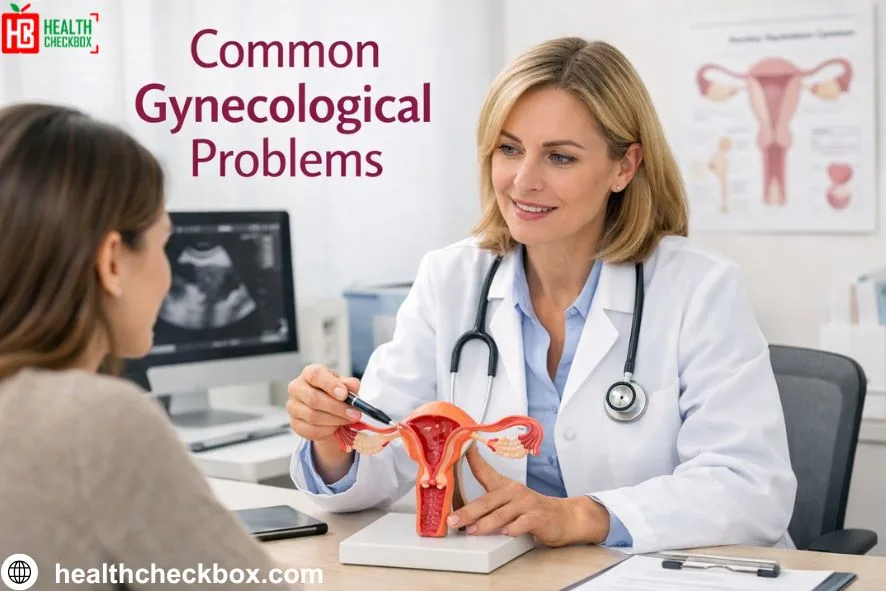
Gynecological health is important for all women’s health. It also includes normal functioning of the reproductive system, management of issues happening which affect the body. Women experience a wide range of physiological changes that may affect their bodies. There are many gynecological disorders and problems which have become common in women these days. PCOS, vaginal infections, infertility problems, endometriosis, etc, are some of the common gynecological and menstrual disorders. This affects lifestyle, mental health, and sometimes long-term physical health. Gynecological problems also result in disturbance of hormonal balance which majorly affects women’s menstrual cycle and also reproductive health. By understanding these conditions, women notice early signs & proceed for effective treatment to avoid serious issues in future.
Understanding Gynecological Diseases
Gynecological problems are those conditions in medical terms which affect the female reproductive system. Uterus, ovaries, fallopian tubes, vagina, vulva and breast are the areas which are affected. These gynecological problems range from minimal infections to serious diseases which affect menstruation, fertility and entire health. If we discuss menstrual disorders, irregular periods, painful menstruation or heavy bleeding are some of the issues that are a part of menstrual disorders. Uterine fibroids are noncancerous tumors which may lead to heavy bleeding-like symptoms.
Infections are also considered as a part of gynecological problems. Vaginal infections and Pelvic inflammatory disease are caused by sexually transmitted infections. Other diseases such as ovarian cysts, ectopic pregnancy, ovarian cancer are also examples of gynecological problems. Early treatment of these diseases are important to prevent serious issues further. Treatment of these diseases differ by medications, lifestyle factors and also by hormonal therapy.
Common Menstrual & Gynecological Problems
Check out the common gynecological disorders and problems that may be found in women. Also, advanced treatment options and common gynecological symptoms.
Dysmenorrhea
Dysmenorrhea is defined as pain which occurs during the menstrual cycle. It is located in the lower abdomen and may spread to inner thighs. This is a very common gynecological problem in women. There are two types of dysmenorrhea:
- Primary Dysmenorrhea: This is the normal pain which comes every month, when one gets periods. This pain usually starts one or two days before starting periods. Pain of primary dysmenorrhea starts as a normal pain which happens in the lower abdomen, back and thighs. This pain usually diminishes within two-three days.
- Secondary Dysmenorrhea: Secondary dysmenorrhea is defined as the painful menstruation which is common as women age. This pain usually starts before the beginning of the menstrual cycle and remains longer than normal menstrual pain. Endometriosis, PID, and uterine fibroids are some of the causes. This pain happens in the lower abdomen, pelvis and lower back.
Symptoms
Women who have dysmenorrhea may experience diarrhea, headache, dizziness, pain in lower abdomen and back, painful periods, nausea, and vomiting. If the girl got her menstrual period before the age of 12, usually smokes or if the biological parent has dysmenorrhea then it is common to have dysmenorrhea.
Treatment
Dysmenorrhea is treated by taking painkillers, NSAIDS which provides relief. Hot water bags also help in giving relief to the body. Ibuprofen or naproxen helps in reducing the amount of prostaglandins. This lowers the pain in the lower abdomen.
Menorrhagia
Menorrhagia is known for heavy menstrual bleeding during menstruation. This problem is related to several conditions. Uterus, hormonal issues, ovary dysfunction, uterine fibroids, adenomyosis, intrauterine device, PID, cancer, infection, etc, are some of the causes.
Symptoms
If a woman is experiencing these signs, then she is affected by menorrhagia:
- Periods are remaining for more than 7 days.
- Changing of pads/tampons after every 2 hours.
- Bigger size of blood clots
- Blood is appearing in brown, pink or light red in colour.
- Extreme pain during menstruation
- Feeling tired because of losing so much blood.
Treatment
Iron supplements, NSAIDs, Birth control pills, Hormone replacement therapy, and GnRH are some of the medicines which can help in reducing heavy bleeding. If one is experiencing no improvement, they should visit a gynecologist.
Amenorrhea
- Primary Amenorrhea: It is defined as when a girl doesn’t get her periods by the age of 15. This is considered as the first sign of puberty. This disorder is generally because of the genetic conditions. This issue can also be related to hormone levels.
- Secondary Amenorrhea: It is defined as missing or absence of periods for more than two to three months. Pregnancy, lactation, stress and chronic illness are some of the common reasons for secondary amenorrhea.
Symptoms
If a woman is experiencing these signs like hot flashes, milk leaking from nipples, regular headaches, vaginal dryness, then she has amenorrhea. Acne and excess hair growth on the body and face can also be considered as the signs of amenorrhea.
Note: Amenorrhea treatment depends on the hormonal therapy, thyroid treatment, PCOS management, and stress reduction.
PCOS
PCOS is an issue which is related to hormones. When ovaries produce excess hormones, it disturbs the natural cycle of hormones. This makes reproductive hormones imbalance. PCOS is considered as the common cause for irregular periods and infertility, and can also increase the risk of serious health conditions. The main cause is insulin resistance, higher levels of androgens, and low-grade inflammation.
Symptoms
Symptoms of PCOS start in adolescence. Some of the common signs of PCOS include:
- Irregular Periods
- Abnormal hair growth on face and body
- Acne
- Obesity
- Darkening of Skin
- Cysts
- Abnormal infertility.
Treatments
PCOS is not curable. It can only be managed by changing lifestyle and taking medicines. Start consuming a low calorie diet (papaya, white egg, curd), high fiber, lean protein, and whole grains. This will help in reducing weight which will improve the condition. Doing simple exercises will also help a lot in losing weight. Consumption of birth control pills help in regulating hormones like estrogen and progesterone. This lowers the production of androgen. This helps in lowering the risk of endometrial cancer. It also reduces the risk of irregular bleeding, excess hair growth and acne.
Endometriosis
It is a painful condition in which tissue grows outside the uterus that is similar to lining of the uterus. This condition not only affects the menstrual cycle but also daily life routine. Because of endometriosis, surrounding tissue gives irritation and may also form scar tissue. This problem also causes pain during menstrual periods.
Symptoms
Pelvic pain is the main symptom of endometriosis which also becomes worse with time if not treated. Also, some of the common symptoms of endometriosis which include:
- Painful periods
- Extreme pain during intercourse
- Pain during Urination
- Excessive Bleeding
- Fatigue
- Diarrhea
- Constipation and Bloating
Treatments
Medicines like NSAIDs, ibuprofen, naproxen sodium, etc, can help in giving relief from menstrual cramps. Hormonal therapy also works to provide ease from this pain. Contraceptives such as birth control pills control the hormones which result in painful periods. GnRH is the medication which stops the menstrual cycle which is also a way to get relief from the pain.
Uterine Fibroids
It is a common type of noncancerous tumor. This grows in the wall of a woman’s uterus. This is also known as leiomyomas. There are 4 types of uterine fibroids and grow in different areas of the uterus.
- Intramural Fibroids: This grows in the muscular wall of the uterus.
- Submucosal Fibroids: This kind of fibroids grow under the inner lining of the uterus.
- Subserosal Fibroids: This grows under the lining of the outer surface of the uterus.
- Pedunculated Fibroids: These kinds of fibroids are rare, but grow with the help of a stem in the uterus.
Symptoms
Those who have uterine fibroids may experience these signs:
- Heavy menstrual bleeding
- High pain during Periods
- Pain during intercourse
- Pelvic pressure
- Urge to urinate
- Constipation
- Pain in stomach area
- Pain in lower back
Treatments
Medicines such as GnRH targets the hormones which help in controlling the menstrual cycle. IUD, Tranexamic acid, birth control pills, etc, are some of the medications which help in providing relief from heavy menstrual bleeding. It also helps in regulating hormones.
Pelvic Inflammatory Disease
PID is an infection which occurs in the uterus, fallopian tubes and ovaries, mainly caused by STIs. It is developed when some bacteria increase from the vagina to reproductive organs. It can be treated with antibiotics if diagnosed properly and early.
Symptoms
Most people don’t experience symptoms because they are so light such as:
- Pain in the lower belly
- Pain in the pelvic area
- Heavy discharge with bad smell
- Pain during intercourse
- Fever
- Feeling burning while urinating
Treatment
Antibiotics such as ceftriaxone and doxycycline can be taken to reduce the issue. Pain relievers such as over-the-counter help in managing pelvic discomfort. A regular visit to a doctor is suggested for regular check ups of both the sexual partners. This is suggested to ensure the infection is cleared. Avoid sexual activity till the infection is cleared.
Vaginal Infections
Vaginal infection is caused by bacteria, fungi and viruses. These bacteria grow normally in the vagina, but when they grow excessively, they create infections. These infections take place in the vagina and vulva area. Long term steroid medicine, having different sexual partners, using of vaginal washes or deodorants for vaginal hygiene can increase the risk of vaginities. There are different types of vaginal infections like:
- Bacterial Vaginosis
- Yeast infection (candidiasis)
- Trichomoniasis
- Thrush
- Trichomoniasis
- Genital Herps
Symptoms
Vaginal Infection symptoms include:
- Change in colour and smell of discharge
- Irritation and Itching in vaginal area
- Pain during intercourse
- Feeling pain during urination
- Light vaginal bleeding
Treatments
Medications such as clotrimazole and miconazole help in the treatment of vaginal yeast infection. Antibiotics like metronidazole or clindamycin cream provide relief from BV. A single dose of oral metronidazole helps in reducing the infection of STIs.
Gynecological Cancer
This is a disease which affects the reproductive organs of women. In this disease, cells of a woman’s reproductive organs grow out of control. This disease takes place in reproductive organs like cervix, ovaries, uterus, vagina and vulva. There are several types of gynecological cancers like:
- Cervical Cancer: It is one of the common types of cancer which affects the cells of the cervix and lower part of the uterus. This is caused by HPV which is a human papillomavirus virus. Cervical cancer is transmitted through unprotected sexual contact.
- Ovarian Cancer: Ovarian cancer has one of the highest mortality rates among gynecologic cancers because it is often diagnosed late.
- Uterine Cancer: Uterine cancer occurs in the endometrial cells in the uterus. This cancer can spread into other organs if not diagnosed.
- Vaginal Cancer: It is the less common cancer amongst all. Vaginal cancer is caused by HPV infection. It occurs in the cells lining the vagina. In this disease, cells start to grow quickly in the vagina and can destroy healthy body tissue.
- Vulvar Cancer: Vulvar cancer is a very rare cancer that occurs in the vulva’s tissue. It forms as a lump in the vulva. This also sometimes causes itching.
Symptoms
Some of the common signs of gynecological disorders:
- Abnormal vaginal bleeding
- Difficulty in eating
- Bloating
- Back Pain
- Pain in Pelvic area
- Frequent urination
- Itching, Burning
- Rashes on vaginal area
Treatment
Surgery, chemotherapy, and some certain therapies are considered for the treatment of gynecologic cancer.
Infertility Problems
Infertility problems are a condition which causes women to be unable to get pregnant. This issue has many causes like PCOS, thyroid problems, premature ovarian failure etc. These problems lead to eggs not being released in the ovulation cycle. There are 3 types of infertility:
- Primary Infertility: If a woman is having problems conceiving even after 1 year of regular and unprotected intercourse.
- Secondary Infertility: If a woman is having problems conceiving again after having one successful pregnancy.
- Unexplained Infertility: This means when no fertility issue is found and then also women experience problems in conceiving.
Symptoms
Some of the common signs of infertility problems:
- Abdominal pain
- Pain in Pelvic area
- Irregular vaginal bleeding
- Missed periods
Treatment
Antibiotics help in removing the infection from the reproductive organ. Some fertility medication like letrozole deals with hormonal imbalances. It also deals with ovulation disorders. Surgery is a last way, if the infection is not cured or improved with certain medication.
Menopause
Menopause is a time which is considered as the 1 year when a woman does not having her periods. This usually occurs from the age of 50. This is a natural process when ovaries stop producing reproductive hormones. This is the permanent stoppage of the menstrual cycle. Sometimes, due to menopause, hormonal changes cause physical and emotional stress. There are three stages of menopause:
- Perimenopause
- Menopause
- Postmenopause
Symptoms
Women experience some of the common symptoms:
- Irregular periods
- Hot flashes
- Night sweats
- Vaginal dryness
- Frequent Urination
- Difficulty in Sleeping
Treatment
Hormone therapy is one of the best solutions for menopause. This is given to those females who are above 50. This therapy helps in regulating the hormones.
When to See Gynecologist?
Most of the issues are unnoticeable till they reach an advanced stage. When you notice these kinds of symptoms listed above, you should consult a gynecologist immediately. Because, early diagnosis and treatment may prevent serious situations in future. Gynecologists may take physical exams which include BMI, overall health check up, pelvic examination, breast examination, & screening and may ask for menstrual cycle history. They may also recommend some of the common tests like:
- Ultrasound
- Hysteroscopy
- Pap Smear Tet
- HPV tests
- STI screenings
Preventions
- Lifestyle Factors: Follow a healthy diet, take proper rest, regular exercise, and maintain proper hygiene, consumption of certain medications. These changes in lifestyle helps in improving gynecological disorders.
- Safe Sexual Practices: Healthy intercourse would prevent gynecological disorders which are sexually transmitted. Protections should be used to prevent unintended pregnancy. It also helps in preventing both sexual partners from STDs.
- Regular Check Ups: Regular checkup is essential. This helps in maintaining reproductive health. This allows the early detection issues which prevents the later serious complications. Regular screenings help to ensure any abnormalities. This prevents major health issues from occurring later.
Conclusion
Gynecological disorders and problems are common these days. This creates anxiety, depression and also sometimes relationship stress. If not treated on time, it can create serious issues in future which affects one’s health. In this blog, we’ve tried to cover up all the major issues with its symptoms and treatment. This will help individuals understand common gynecological disorders and problems. Early diagnosis and education are important to increase awareness and strengthen productive lives.