

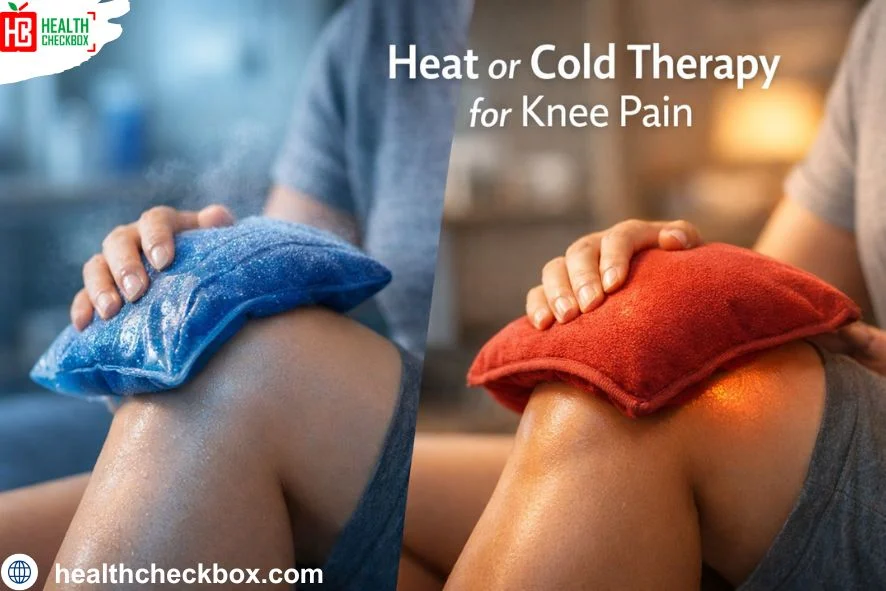
Knee pain is one of the most common symptoms of knee problems, which affects people of every age group. Some common causes of knee pain are knee injuries, constant stress, torn ligaments, and cartilage. Having knee pain can be the sign of either acute injury or chronic injury. Some mild pain may improve with rest and home care, but persistent or severe pain should be evaluated by a doctor. People try many natural home remedies by themselves before consulting a doctor. One of the most famous home remedies is heat or cold therapy for knee pain. This helps in either curing the pain or reducing the knee injury recovery timeline. In this blog, we will talk more about heat and cold therapy for joint pain and which one is better.
What is Cold Therapy?
Cold therapy or cryotherapy, is the process of applying cold substances on the affected area. Ice packs or cold compresses are used in ice therapy, which makes the area numb and reduces the blood flow. This reduces the pain and inflammation. This is directly applied just after an injury like sprains, muscle strain, ligament damage, and swelling in the knee.
This therapy works by making the blood vessels narrower, this slows down the blood flow and reduces the inflammation, swelling, and pain. Cold therapy also makes the area numb which limits the signaling to the brain about the pain.
When to Use Cold Therapy?
The most effective time to apply the cold therapy is within the first 24 to 72 hours after an injury. Some of the situations are mentioned below in which you can apply cold therapy.
- After a knee injury.
- After the knee gets swollen.
- After intense workout.
Cold therapy helps limit swelling and secondary tissue damage.
How to Apply Cold Therapy?
Knowing about how to apply cold therapy is as important as knowing about how to apply it. You can use many different types of ice packs or any other cold substances. Below are the mentioned steps to apply cold therapy:
- Use any low temperature substance like ice packs, frozen vegetables, chilled water or cold gel packs.
- If using ice, then wrap it first with a thin cloth. This protects the skin.
- Apply it for at least for 15 to 20 minutes in the affected area.
- Repeat the process minimum of 2 to 3 times if the problem continues.
- Allow the skin to go back to normal temperature between sessions.
Note: Do not apply ice or any other icy item directly on your skin because it can damage the tissues.
What is Heat Therapy?
Heat therapy is the process in which warmth is applied to the affected area. The heat improves the blood flow, relaxes the muscle and reduces stiffness. This therapy is generally used for chronic pain. The heat causes the blood vessels to expand which increases the blood circulation. Better blood circulation means it increases the oxygen flow and nutrients distribution to the tissues. This heals the affected area and gives relaxation from the pain. People who are suffering from chronic knee pain, stiffness, osteoarthritis or old injuries which cause feelings of discomfort.
When to Use Heat Therapy?
The timing to apply the heat therapy is very crucial. If the therapy is done while the inflammation process is going on it can worsen the condition and increase the swelling. So, avoid heat during active swelling, and use it once swelling has reduced. Situations in which heat therapy might be useful:
- You have chronic knee pain
- You have stiff knees
- Muscles tighten near the knee
- Experiencing reduction in mobility
- Old injuries give a feeling of discomfort
Note: Heat therapy is also very useful before an intense workout or any physical therapy as it loosen up the muscles.
How to Apply Heat Therapy?
Heat therapy can be applied with the help of heating pads, warm towels or warm baths and showers. Things you need to take care about while applying the heat therapy:
- The heat source should be applied for around 15 to 20 minutes.
- The heat source should not be too hot.
- Use a cloth in between as it protects you from skin burn.
- If the problem continues, then repeat the process 2 to 3 times.
Key Differences between Heat Therapy and Cold Therapy
| Features | Cold Therapy | Heat Therapy |
| Main Use | This therapy is mainly used to reduce inflammation and swelling. | The main use of this therapy is that it relaxes the muscles and improves blood circulation. |
| Best to Use | Cold therapy is best used for acute injuries. | Heat therapy is best for chronic injuries. |
| When to Use | Just after the injury. Within the first 24 to 72 hours. | This therapy is applied after the inflammation period is over. |
| Pain Management | This therapy relaxes muscles and reduces stiffness. | This therapy numbs the wounded area. This limits the signalling sent to the brain. |
Which Therapy is Better for Knee Pain?
Heat and cold therapy both help in managing the knee pain. It depends on the condition and stage of the injury.
Cold therapy is better in the case of:
- If you experience swelling in the knee
- Experiencing pain from a fresh injury (24 to 72 hours)
- If you have an acute injury
- After an intense workout session
Heat therapy is better in the case of:
- Experiencing stiffness in the knee
- Pain caused by any chronic injury
- Muscles near the knee joint feel rigid
- Pre-workout to loosen up the muscles.
Usually, heat and cold therapy are applied separately for different cases. But, in some situations, heat and cold therapy are alternately applied. This alternative approach gives good results, the name of this therapy is contrast therapy. In this, the cold therapy reduces the inflammation, and the heat therapy improves the circulation of the blood.
Most of the sportspersons apply this therapy. They use cold therapy just after the training session, and after some time, they apply heat therapy. This relaxes the muscles and increases recovery. The better therapy between heat and cold depends totally on the nature of the injury.
When to See a Doctor?
Heat and cold therapies can help give relief from the majority of the pain. But they do not completely repair the knee; this is more of a temporary solution. But if you still experience knee pain symptoms or if it gets worse. Then you must consult with the doctor. Some signs that you should consider are:
- Experiencing longer knee pain
- Swelling does not improve with ice therapy
- Knee lock while movement
- The knee is not able to hold weight
Conclusion
Knee pain is a problem that affects people of all age groups and affects their daily lives and activities. Home remedies like cold and heat therapy for knee pain can help in getting rid of the pain. Having an understanding of these therapies improves the recovery time significantly. Both therapies are a great option for providing relief knee pain, as both of these therapies are used for different conditions. But these therapies are temporary solutions; if the problem continues, then you must consult the doctor.