

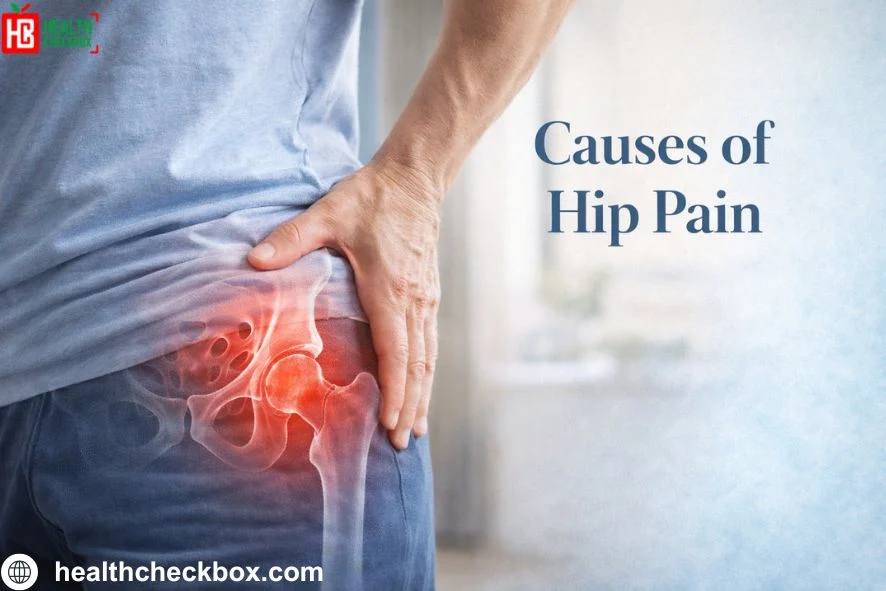
The hip joint is one of the most important joints in our body. When the pelvis and thigh bone (femur) come together it forms a hip joint. The main work of the hip joint is to support the body weight and help in fluid movement. Being durable does not mean it is indestructible. The issue of hip pain is commonly found in older people, but young adults (Athletes or Runners) are also affected by this. This issue can also be seen due to existing orthopedic issues. Often, the pain occurs in the groin, buttocks, and thigh area. Also, note that if hip pain is not taken seriously and the pain grows, it can impact your daily life. The problem of hip pain is getting common these days. In this blog, we will discuss why hip pain is getting so common in older people and what are the causes of hip pain.
Why is Hip Pain Becoming a Common Problem?
Hip pain was already a common problem for old people, but nowadays it is also becoming common in young adults. In metro cities people who sit all day or move barely face the symptoms of hip pain. Some other reasons are there like excessive gym/exercise injury or having a stressful lifestyle. Also, many young adults these days are facing the problem of obesity which also puts pressure on the hip joint, this excessive pressure causes hip pain.
Young adults put a lot of strain on their hips by sitting for too long in front of their computer or by sitting in bad posture. This becomes a daily routine for them and this gradually starts damaging your hip joint, resulting in early hip pain. In fact, sometimes young adults start doing exercise without a proper warmup or do it continuously without taking any break. This puts more stress on the hip joint which can easily lead to hip injuries.
Common Causes of Hip Pain and Discomfort
Now, hip pain is not only in old people but also in young adults. There can be many different reasons for having hip pain, but why you are having it is difficult to tell. So, below are some common causes of hip pain.
Core Muscle Injury
In core muscle injury, you may experience pain in your groin. This happens because of strain or tear of muscle or other soft tissue. This injury is commonly found in those who play sports, especially those sports which involve extreme twisting and turning. You will feel deep chronic pain in your groin region while moving or explosive movements.
Bursitis
In bursitis, there is a fluid-filled sac known as Bursa that gets inflamed and causes hip pain. This liquid acts as cushion and a lubricant between the tissues. It reduces the friction between the bones and enables smooth gliding of tissues. The inflammation occurs due to repetitive overuse or stress. Walking or running for a long time and climbing stairs can make it worse.
Arthritis
Arthritis in hip is often due to osteoarthritis. This causes deep chronic pain, swelling or stiffness in the groin, buttocks and outer thigh region. This happens due to inflammation and breakdown of cartilage. Also, if you take part in any activity which has high activity requirements like marathons or high impact sports can also cause osteoarthritis. Because of stiffness you will experience limited range of motion or limp in that region. The pain keeps getting worse with continuous movement. A recent study found that hip dysplasia occurs when the hip bones are not formed properly. This makes the bones not fit properly which makes them rub against each other.
Labral Tears
Labral tears is an injury which happens in the Labrum in your hip joint. The hip labrum is a soft and protective lining around the acetabulum. This helps in protecting your bones and prevents them from grinding against each other. When the hip labrum gets a tear it causes pain in your hips or groin and restricts hip movement. This injury often occurs in athletes and dancers (ballerina) as their body movement requires heavy twisting and turning.
Tendonitis
It is an inflammatory condition which occurs in the tendons around your hip. The tendons help in connecting the muscle and the bones, which brings stability to the structure of the hip. When irritation or inflammation occurs in tendons, you may experience pain, swelling, and restriction in your movements. The irritation and inflammation happens because of repetitive hip movements, mainly seen in athletes.
Hip Impenement
This problem is more common in younger people, especially those who do high intensity activities. Activities like Tough Mudder races, CrossFit or barre classes are some examples of high intensity activities. Hip impingement occurs when extra bone growth causes abnormal contact between the femur and acetabulum. It lead to pain and restricted movement. This also increases the risk of having osteoarthritis prematurely.
Sciatica
Sciatica is nerve pain caused by compression of the sciatic nerve roots in the lower spine, which may radiate to the hip and leg. When herniated disk or an overly grown bone puts pressure on the lumbar spine sciatica pain happens.
Treatment of Hip Pain
Hip pain can be treated in many ways depending on your condition and injury. Some hip pain can be cured by just using conservative approach, whereas some need advanced medical attention.
- RICE Method: This method is used for low level injury or pain in hips. You can treat your hip pain at home by using this method. RICE stands for Rest, Ice, Compression and Elevation.
- Medication: Your doctor will provide you with some medications. These will help you in reducing or managing the pain. It also helps in preventing any post-op symptoms
- Physical Therapy: If you have undergone surgery or are just facing issues like hip joint stiffness, your doctor will suggest you to take physical therapy. In this, the doctor will provide you with a proper plan to follow. This method will help in regaining the mobility and remove the stiffness of the joint. This therapy is majorly used in dislocated hip treatment.
- Hip Surgery: Most of the mild hip pain can be cured by normal physical therapy and RICE method. But there are some cases where the injury can’t be cured by these methods, then surgery is required. Some surgery options are:
- Arthroscopy
- Hip Replacement
- Hip Resurfacing
Tips: Sugar, Spicy or fried foods, and other processed foods, these foods should be avoided for hip replacement surgery.
How to Avoid Hip Pain?
It is better to avoid hip pain before it comes. You can do many things to avoid hip pain way before it comes. Below some of the things are mentioned on how to prevent hip pain:
- Maintaining a Good Posture: Sitting in a good posture helps in avoiding premature hip pain. Sit upright and have proper lumbar support while sitting, also avoid crossing legs for a long time.
- Weight Management: Increasing weight or being over weight can put excessive pressure on your hips and hip joints. By maintaining a healthy weight reduces the stress from the hip joint which avoids any type of injury or pain.
- Do Proper Warm-up: Warming up before an intense workout session is important. This makes your joints and muscles free which prevents potential injury.
When to Visit the Doctor?
For the majority of the hip pain, you can cure it on your own by taking proper rest. But you should visit your nearest orthopedic if you experience any of these symptoms:
- Intense pain even after skipping your routine.
- Experiencing pain all the time.
- Swelling or redness around the hip joint.
- Unable to move or lift weight.
Contacting your doctor early can prevent the pain from becoming more severe later on.
Conclusion
Knowing about the cause of hip pain is very important as you can manage pain and discomfort properly. There are many reasons you can have hip pain like arthritis, muscle strain, and any hip injury. Having knowledge about them helps in early identification and diagnosis. This prevents the pain or the injury from getting worse. Also, you can do something on your own to prevent the pain and any unwanted injury. For eg maintaining a healthy lifestyle, weight, a good posture, and taking medical advice on time. This helps in preventing the pain before it comes.