08
Jan
Blood Cancer Symptoms: Early & Stages-Wise Symptoms

One of the most threatening diseases in today's life is blood cancer...
14
Nov
How Long Can You Survive Breast Cancer Without Treatment?

Breast cancer is one of the major cancer diseases in the world. It a...
13
Nov
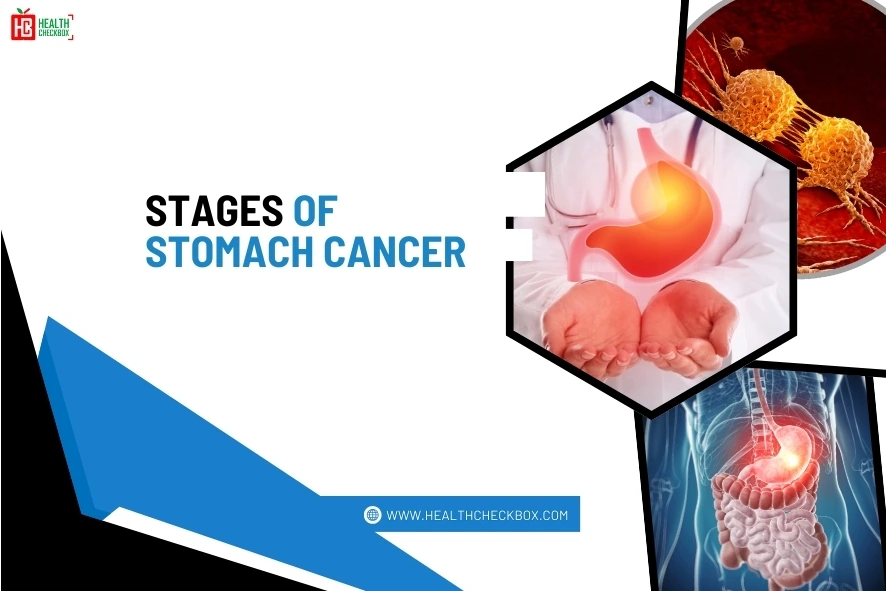
Stages of Stomach Cancer
Stomach cancer, also known as gastric cancer, is a serious disease t...
06
Nov
Understanding Prostate Cancer Symptoms
Prostate cancer is a major global health problem. According to the G...
31
Oct
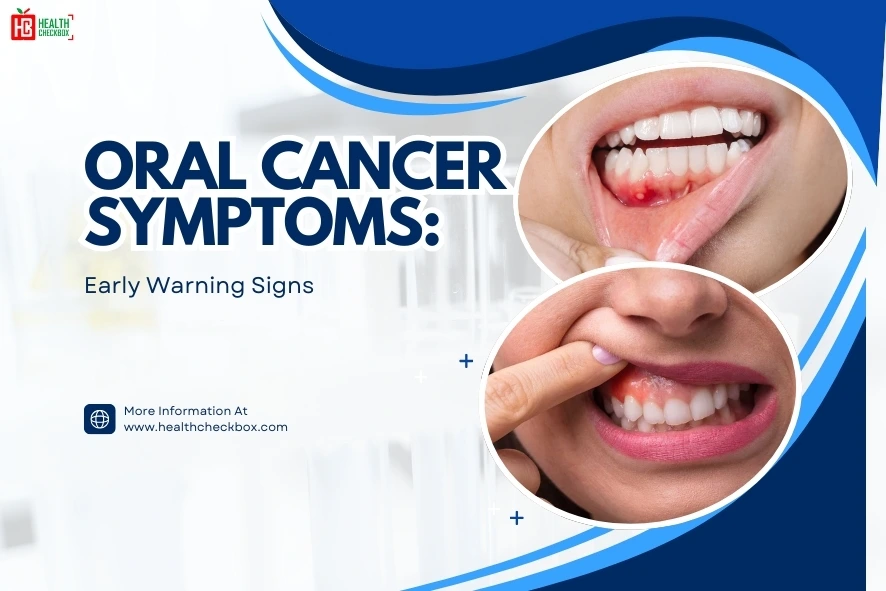
Oral Cancer Symptoms: Early Warning Signs
When cancerous cells develop in the mouth or throat, it is known as ...
18
Oct
Anal Cancer Treatment Cost in India
Anal cancer rarely occurs, but it's a serious one, and it requires i...
16
Oct
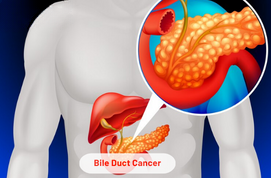
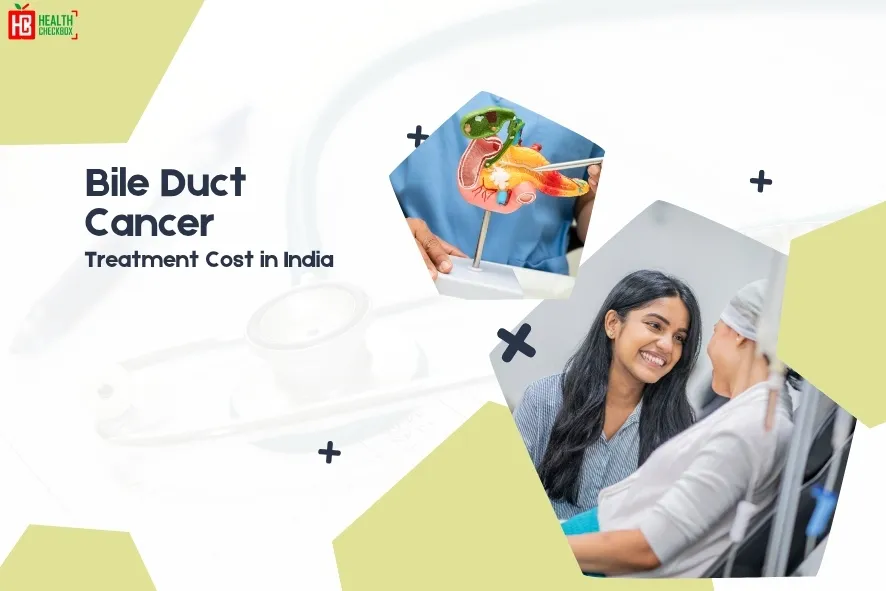
Bile Duct Cancer Treatment Cost in India
The intestine, gallbladder and the liver are all connected by the sm...
13
Oct
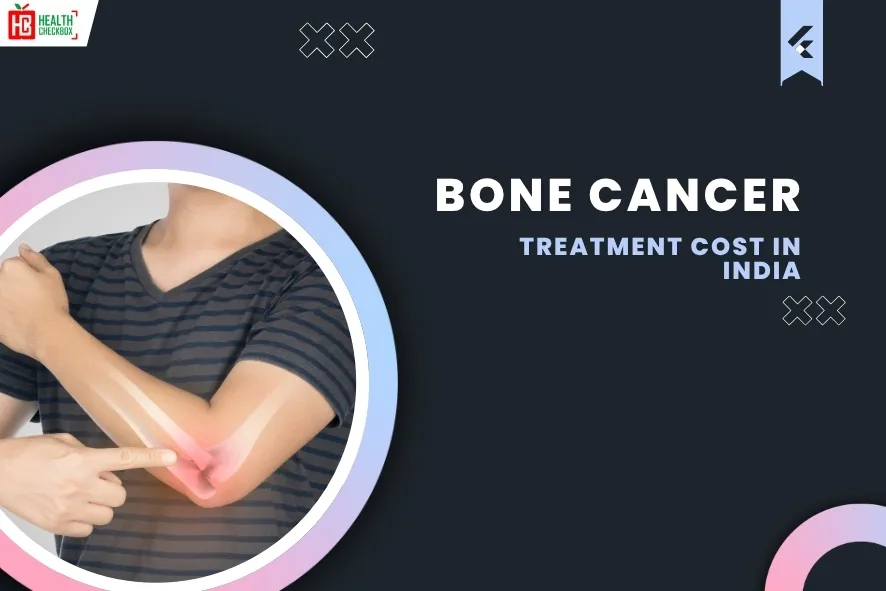
Bone Cancer Treatment Cost in India
A bone cancer can be a life-threatening disease for some people. In ...

Ngozi E
17. March, 2025.

My name is Ngozi E, and I am from Nigeria. My brother came to India and had his kidney treatment with the help of HealthCheck Box. He highly recommended it. I got in touch with Suprit, and he helped us choose Medanta Hospital. Great experience overall.
Imran Ali
26. February, 2025.
I am Imran Ali from Bangladesh. I lost my eyesight at just 35. I finally found hope through eye surgery arranged by HealthCheckbox. The staff was kind and helped me understand the procedure. They made me feel at home, and the results have been life-changing. I'm glad I connect with HealthCheckbox.
Fatima Noor
21. February, 2025.
My name is Fatima Noor, and I am from Kuwait. When my father needed a liver transplant, we were confused about where to go. A friend told me about HealthCheck Box, and we contacted them. They guided us every step of the way and helped us connect with Apollo Hospital. My father is now recovering well. Truly grateful.
Shakil A
20. January, 2025.
My name is Shakil A from Bangladesh. One of my friends from Bangladesh got liver treatment through HealthCheck Box. He suggested I contact them. We reached out to Sumit from HealthCheck Box, who guided us to Fortis Hospital. The process was smooth and professional.
Zakir Omari
5. January, 2025.
My name is Zakir Omari, and I’m from Saudi Arabia. At the age of 47, the pain in my hip was unbearable. I decided to undergo hip replacement surgery through HealthCheckbox. From the beginning, I was treated with kindness and respect. The entire process was too good. I can't thank them enough for returning my mobility.
Joseph M
4. December, 2024.
My uncle in Kenya used HealthCheck Box for cancer care. It connected us to the Texas Cancer Centre, Nairobi, which was extremely helpful. We ended up going with the Hospital, and the care we received was top-notch.
Laila Khan
22. November, 2024.
My name is Laila Khan, and I’m from Bangladesh. My son needed urgent cancer treatment, and we were losing hope. A relative (Saqib) suggested HealthCheck Box. Saqib got in touch with us and arranged everything in record time. We came to India, got treatment at Max Hospital, and my son is now doing better. Thank you so much.