
Starting a family is a deeply personal journey for many couples marked by immense hope and an equally great responsibility. Millions of couples face challenges to conceive due to infertility affecting the globe. Medical science has made great strides in helping such couples. IVF(In vitro fertilisation) is one such powerful solution. It is significant to know the age limit of IVF treatment in India to all aspiring parents. Age is one of the important factors affecting the IVF success rate in India. Lots of couples postpone parenthood because of career or personal reasons nowadays. However, the success rate of the treatment and fertility may suffer significantly as a result of this delay. Knowing when to ask for assistance is essential. This article provides the answer to all the significant questions about IVF and the IVF age limit in India. It helps in making an informed and confident decision.
What is IVF?
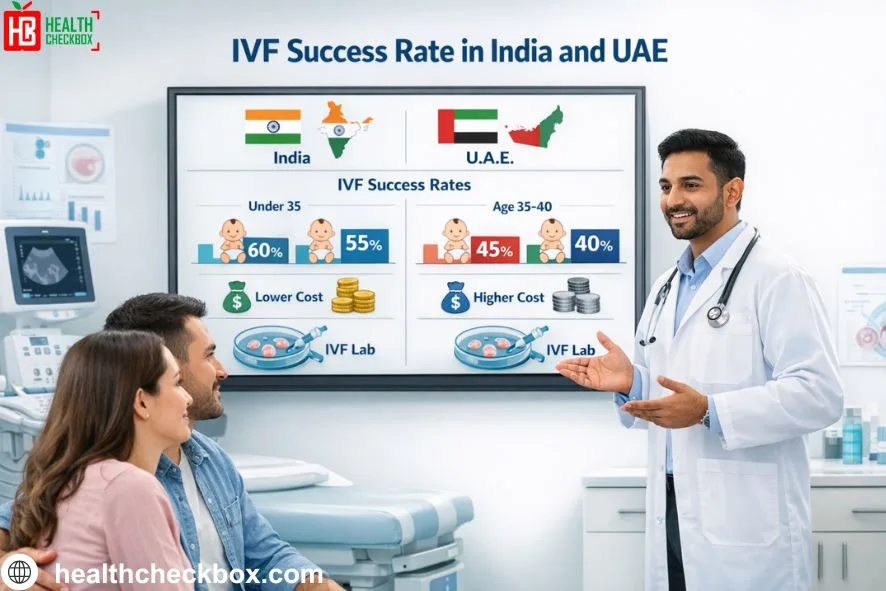
IVF is suggested for couples struggling with infertility. Endometriosis, blocked fallopian tubes, PCOS, and even cases of infertility that cannot be explained are just a few of the numerous reasons for infertility. IVF treatment in India has increased dramatically during the last two decades. This procedure is currently available in many large cities at specialised fertility clinics. It offers hope to those who cannot conceive naturally on their own. IVF success rates in India generally range from 40–50% for women under 35, depending on medical factors and clinic expertise. The whole process is performed in a sequential manner and should be monitored by the medical expert. The 5 stages of IVF are achieved through a systematic step-by-step process by the doctor. which are:
- Ovarian Stimulation: In this, the experts inject a hormonal drug to increase egg production in the ovaries
- Egg Retrieval: After which the eggs are collected from the ovaries with a needle. which is guided by ultrasound imaging.
- Fertilisation: The eggs are fertilised with sperm in a lab to form embryos, which are monitored for development. It is regularly monitored by the staff to ensure the proper growth of the egg.
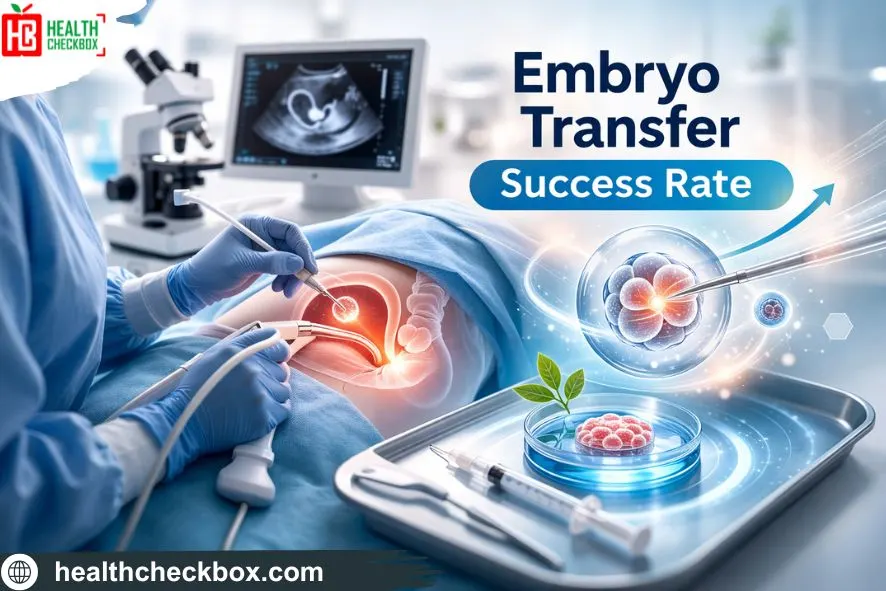
- Embryo Transfer: The embryo transfer is the process in which the fertilised embryo is placed in a woman’s womb using catheter.
- Pregnancy Test: At last, the pregnancy test is conducted using blood or urine samples. The outcome will determine what the next step is to be taken.
Relation between IVF Success Rate and Age
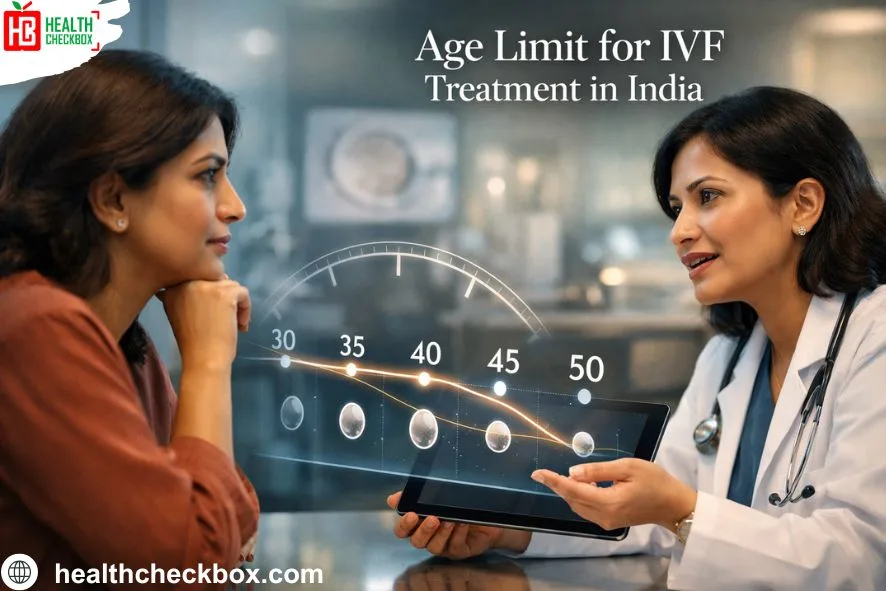
Age is one of the most important elements in conceiving a child. Women are born with all their eggs. As they become older, the quality and quantity of eggs decrease. This decline is a result of Follicular Atresia and the menstrual cycle. The success rate of women younger than 35 is very high, and it is estimated that 40–55% are successful. In women who are in their late thirties, the success rate is reduced to around 30 to 50%.
This makes early treatment a prudent and hopeful option for younger women. Advanced maternal age also causes numerous other pregnancy complications such as gestational diabetes, preterm birth, chromosomal abnormalities, among others. These considerations led to the development of the age limit of IVF treatment in India. But these are not set in stone. Good lifestyle changes can go a long way in ensuring that you succeed. The success rate in relation to age is further broken down below:
| Women’s Age (year) | Rate Per Cycle |
| Under 35 | 40–55% success rate per cycle |
| 35–37 years | 30–35% success rate |
| 38–40 years | 20–30% success rate |
| Above 40 years | 10–20% per cycle; declines further with age |
Age Limit for IVF Treatment in India
The IVF Treatment Age limitation in India is regulated by the ART Act, 2021. Under these guidelines, women aged 21-50 years can go through IVF. According to the existing Indian regulations, men who are aged 21 to 55 years are eligible. Age limits apply to IVF treatment recipients, while donor eligibility follows separate criteria. The Age Limit in IVF Treatment was placed in order to safeguard the health of patients. Any pregnancy after the age of 50 poses the mother with a lot of medical risks. Clinics must follow these age restrictions strictly under the law. Even within this age range, some fertility specialists can discourage IVF. This is determined by the general well-being and medical assessment of the patient. One should never start any treatment process without consulting a certified fertility expert.
Is IVF Possible After Menopause?
Menopause means the natural end of a woman’s reproductive years, permanently or in simple terms, when a woman’s menstrual cycle permanently stops. After menopause, a woman can no longer produce viable eggs on her own. It usually occurs in the 45–55 age range. Women after menopause are unable to conceive a baby naturally, but that does not mean that the journey has ended. IVF using donor eggs is still possible after menopause in some cases. The uterus can still be prepared with hormones to receive a donor embryo. Women must undergo a thorough medical evaluation before proceeding with this option.
Risk Related to Advanced Maternal Age
The advanced maternal age is defined as a pregnancy that happens at the age of 35 or older. The most important factor is age and it affects fertility and IVF success rates. The quality of eggs and ovarian reserve deteriorates naturally, reducing the likelihood of successful implantation. Due to chromosomal anomalies, women over 35 who utilise IVF are more likely to miscarry. Gestational diabetes is more prevalent, as insulin regulation weakens with age. The chances of Fetal chromosomal diseases such as Down syndrome can increase significantly after the age of 35 years. IVF is allowed beyond 35, however, success rates gradually decline with age. Risks of preterm birth and cesarean section are also increased in the older IVF patients. Early detection of risks associated with age enables medical teams to tailor treatment in order to enhance results.
How to Improve the Success Rate of IVF?
To improve the chances of success, the couples should adapt to a healthy lifestyle. Eating healthy food, avoiding smoking and drinking, and avoiding stress increase the chances of success. Below, we have discussed the lifestyle changes to improve the outcome.
Healthy Diet Plan for IVF Treatment
One should select an appropriate diet that is high in folic acid needed by the body to divide and multiply cells, as well as embryo development, iron to carry oxygen, vitamin D to enhance the reproductive system, protein, and omega-3 fatty acids. In this list, we have included food during IVF treatment and foods after the embryo transfer.
- Antioxidant-rich berries include raspberries, blueberries, and strawberries.
- Vegetables-spinach, kale, lettuce, etc, which are rich in folate and iron. Carrots, peppers, and tomatoes help enhance cell protection.
- Whole grains include quinoa, oats, and brown rice for a steady blood sugar level.
- Chicken, fish, and lentils help in tissue repair.
Foods and Drinks to Avoid:
- Caffeine
- Smoking and Drinking
- Process Foods
- High Mercury Food
Taking Supplements during the IVF Treatment
Supplements like folic acid support overall reproductive health but do not directly guarantee improved IVF success rates. Such nutrients improve the well-being of the embryo, prevent brain damage and abnormalities on the fetal spine, and the success of the IVF is also increased. These supplements may support overall reproductive health when taken under medical guidance. However, since certain supplements might interact with reproductive medications, this should be done under the appropriate supervision of a specialist.
Reduce Stress and Better Sleep Cycle
Couples should avoid stress and be optimistic. Additionally, couples are urged to engage in activities that release endorphins. Experts advise infertile individuals to get at least 7-8 hours of sleep since it aids in the restoration of numerous metabolic processes and the organs. Additionally, they advise avoiding caffeine at least 4-6 hours prior to bedtime and refraining from eating for 2-3 hours prior to bedtime, since these factors might impact the quality of sleep.
Conclusion
The age limit of IVF treatment in India is a measure that safeguards the life of the mother and child. Age is one of the factors that directly influence the success and safety of IVF procedures. Early consultations are a sure way of achieving a good outcome. The best option is to consult a certified fertility specialist who would advise you on the best options.