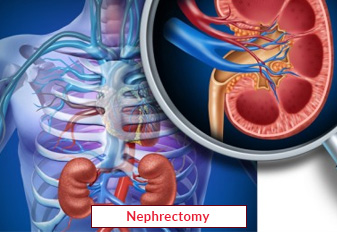
Nephrectomy surgery is a medical procedure that is used to remove the part or the entire kidney due to injury, cancer, or other kidney disease. It is also known as kidney removal surgery, which is performed by an experienced urologist or a skilled kidney surgeon. In India, many hospitals have internationally trained doctors who know advanced surgical techniques. The individuals who suffer from kidney cancer, chronic kidney disease, severe kidney damage, or kidney failure are the ideal patients for this surgery. Indian hospitals offer cost-effective nephrectomy surgery with minimally invasive techniques, modern facilities, faster recovery guides, and better results.
Types of Nephrectomy Surgery
There are different types of nephrectomy surgery based on patient's condition and the part of kidney that needs to be removed.
- Partial Nephrectomy: Partial nephrectomy is kidney surgery where the damaged or cancerous part of the kidney is removed while preserving the healthy part. It is highly recommended for small kidney tumors and quick recovery.
- Radical Nephrectomy: Radical nephrectomy is used to remove the kidney along with surrounding tissues, including the adrenal gland. It is highly recommended for large tumors and advanced kidney cancers. This surgery has a success rate and prevents cancer from spreading.
- Simple Nephrectomy: Simple nephrectomy is commonly used when patient experiences a serious chronic disease, kidney failure, or severe kidney damage. Surgeons remove the entire kidney to help relieve pain, infection, and improve overall health.
- Laparoscopic Nephrectomy: Laparoscopic nephrectomy is a minimally invasive kidney removal surgery that is performed with a small incision and a camera. It is used for less pain and hospital stays, and faster recovery. According to some reports, most international patients show their interest in this surgery due to the affordable cost and modern surgical expertise.
- Robotic Nephrectomy: Robotic nephrectomy uses robotic-assisted technology for complete or partial kidney removal. It has minimal complications, effective surgical results, and the least hospital stay.
Who is the Ideal Candidate for Nephrectomy Surgery?
Nephrectomy surgery is used when the kidney becomes severely damaged or affected by chronic disease and can not function properly. Nephrectomy surgery is an ideal choice for patients who suffer from:
- Kidney Cancer: Kidney cancer is one of the common reasons for nephrectomy surgery in India. When a tumor develops in a kidney, the doctor may remove that part or the entire kidney to stop the cancer from spreading. Nephrectomy surgery may be the best option for kidney tumor treatment, renal cell carcinoma, and cancerous growth in the kidney.
- Severe Kidney Damage: Severe kidney damage caused by chronic disease, blocked blood supply, severe inflammation, kidney failure, and injury.
- Kidney Infection: Repeated and severe infection can damage the kidney permanently; in this situation, nephrectomy surgery is essential. Removing an infected kidney may improve the quality of life.
- Polycystic Kidney Disease: Polycystic kidney disease may cause multiple cysts in the kidney, which leads to enlargement and loss of kidney function. This surgery may be the best option for a too-large kidney, severe infections and pain, and kidney failure.
- Kidney Trauma: Trauma can be caused by road accidents, sports injuries, internal bleeding, and kidney rupture. If you are an individual facing these problems, this surgery is necessary.
- Non-functioning Kidney: Removing non-functioning kidney helps in improving the quality of life and prevents complications. It can be caused by chronic infection, congenital defects, severe damage, and other complications.
Symptoms that May Require Nephrectomy
- Blood in urine
- Severe back or flank pain
- Kidney tumor
- Frequent infections
- Swelling in abdomen
- Fatigue
- Unexplained weight loss
- High blood pressure
Benefits of Nephrectomy Surgery
- Removes kidney cancer and tumors
- Prevents the spread of infection
- Improves quality of life
- Relieves pain and discomfort
- Stops disease progression
- High success rate
- Minimally invasive options available
- Faster recovery with laparoscopic surgery
Step-by-Step Nephrectomy Surgery Procedure
- Before Surgery: You have to do some physical or blood tests to confirm the disease. CT Scan and MRI are the crucial tests for a patient, and the doctor may also perform kidney function test and urine test. Before going to the surgery, doctors may ask about your medical history for surgery preparation. Follow the doctor’s instructions for diet and medication before surgery.
- During Surgery: The surgeon gives anesthesia to the patient and then starts the surgery with a small incision. A nephrologist removes the diseased part or entire kidney very carefully. After removing the stitches, make sure that patient is fine. After that, patient shifted to the recovery room for post surgery care.
- After Surgery: Patients are monitored in the hospiotals’ room for a few days. The recovery phase may take up to 6 weeks that depends on the patient's health or healing system. Follow up or regular visits to the doctors for antibiotics and pain management.
Risks and Complications
- Bleeding
- Infection
- Blood clots
- Injury to nearby organs
- Anesthesia reaction
- Kidney function issues
Success Rate of Nephrectomy Surgery
Success rates depends on the how surgery goes, and how patient recovers. Early diagnosis and proper treatment may increase the success rates of nephrectomy surgery. Hospitals' staff and skilled surgeons may also play a crucial role in success rates.
- Partial Nephrectomy: 90–95%
- Radical Nephrectomy: 85–95%
- Laparoscopic Nephrectomy: 95%
- Robotic Nephrectomy: 96%+
Why Choose India for Nephrectomy Surgery?
- Affordable nephrectomy surgery cost
- International standard hospitals
- Experienced kidney surgeons
- Advanced robotic technology
- Short waiting time
- English-speaking medical staff
- Medical visa assistance
- Complete travel support